
The Spiritual Aspects of Capoeira: Rituals and Traditions
Capoeira is more than a martial art; it is deeply embedded in Brazilian culture and spirituality. This art form combines elements of dance, music, and physical prowess, creating a unique environment that evokes both physical and spiritual upliftment among practitioners. The traditions practiced in Capoeira are not merely about combat or self-defense; they reveal the rich spiritual heritage of the Afro-Brazilian community. Capoeiristas often engage in rituals and ceremonies that celebrate their culture, like the “roda”, where they come together to perform. The community aspect of Capoeira fosters a sense of belonging, allowing participants to cultivate profound connections with one another and their heritage. Practicing Capoeira is a way for individuals to express their spirituality, resilience, and creativity. The music played during classes and performances significantly influences the spiritual atmosphere, setting the tone for practice. Rhythmic instruments like atabaque and berimbau create a soundscape that resonates deeply within practitioners, facilitating meditation and reflection. Overall, Capoeira’s spiritual aspects provide valuable insights into the history, struggles, and joys of life, connecting individuals to a greater purpose.
Rituals and Community in Capoeira
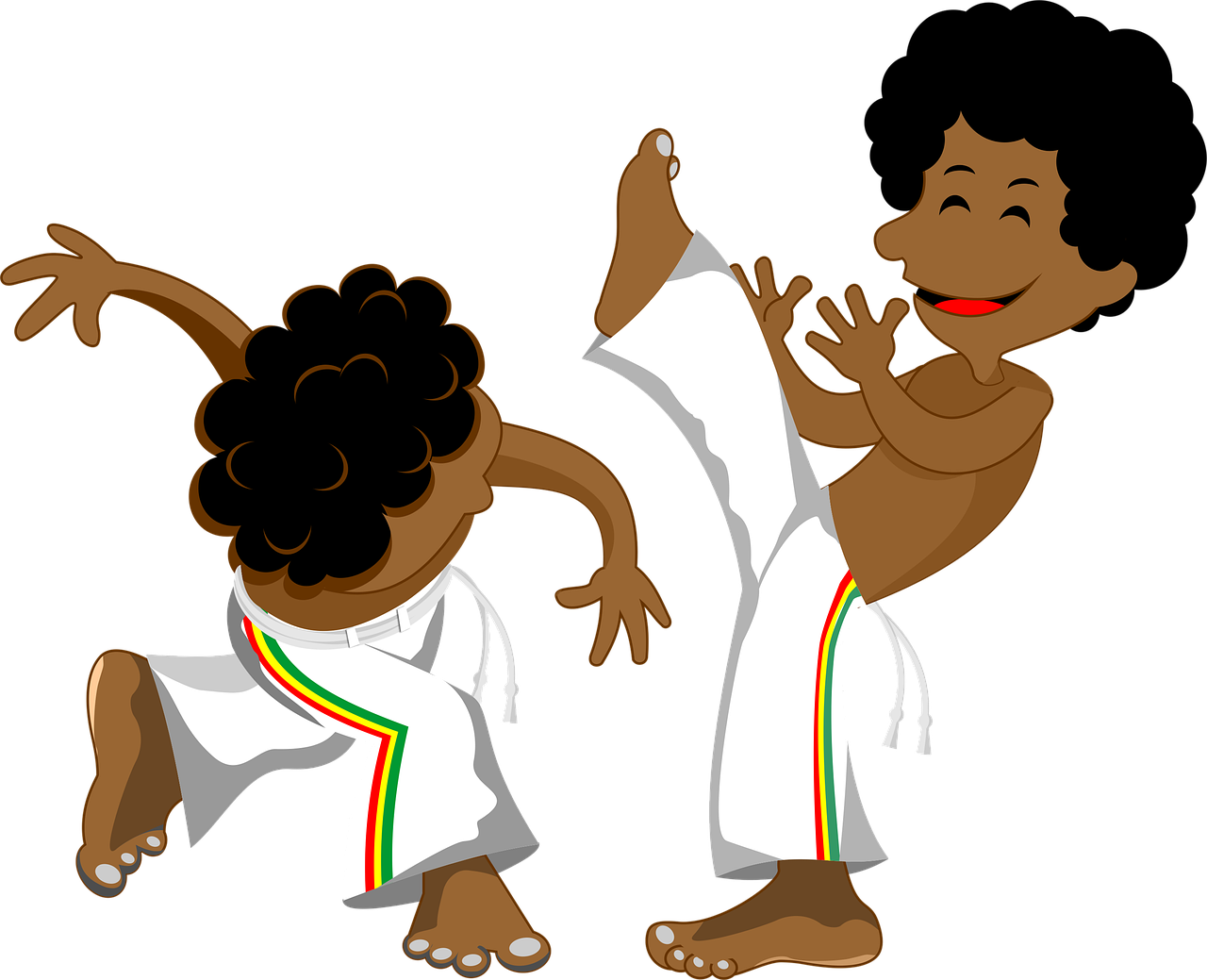
The community plays an essential role in the Capoeira experience, bringing practitioners together through various rituals that enhance their spiritual journey. A key ritual in Capoeira is the “roda”—a circular formation where participants take turns engaging in playful confrontation, showcasing their skills. This circular arrangement symbolizes unity and collective energy, embodying the spirit of togetherness that Capoeira fosters. Additionally, before each roda, there is often a “cantiga”, a song sung by participants, invoking positivity and spiritual blessings. These songs are integral in transmitting history and cultural values, adding depth to the experience. Participants are encouraged to engage with their peers, connecting on a spiritual and emotional level. This shared experience creates a nurturing environment where individuals feel safe expressing themselves. The cyclical nature of the roda emphasizes the idea that learning and growth are ongoing processes. Furthermore, Capoeira practitioners often honor their ancestors, acknowledging the struggles of those who paved the way for their practices and their heritage. This connection to the past enriches the spiritual dimension of Capoeira, reminding participants of the importance of preserving their traditions.
In Capoeira, music and rhythm form the backbone of each session, enhancing both the physical and spiritual elements. The instruments used during practice—such as the berimbau, atabaque, and pandeiro—each hold special significance, creating a sonic landscape that deeply influences the participants’ engagement. The berimbau, in particular, is regarded as the soul of Capoeira, guiding movements and decisions made within the roda. The musician’s skill in playing these instruments shapes the atmosphere and flows energy throughout the practice. Practitioners are often encouraged to engage in singing along, adding their voices to the collective sound that resonates in the space. This collective music experience reinforces community ties and creates a profound sense of belonging. Furthermore, the improvisational nature of Capoeira allows for personal expression while remaining deeply connected with others. As capoeiristas respond to the music, they are reminded of the spirituality imbued in each note played and sung, allowing for an emotional release through movement. This dynamic interplay of rhythm and motion fosters an environment where participants can explore their spirituality while building resilience through community support.
Traditions Passed Down Through Generations
The traditions of Capoeira span generations, preserving unique cultural narratives and spiritual beliefs that have evolved over time. Older masters, known as “mestres”, hold crucial knowledge and wisdom that they impart to their students, ensuring that the deep spiritual teachings of Capoeira endure. This lineage is vital for maintaining the integrity of the practice, as it connects each generation to its roots. Mestres often share personal stories through teachings, offering insights into their own experiences with Capoeira and its spiritual journey. Historically, Capoeira was developed as a means of resistance against oppression, and these stories form an important dimension of its spiritual legacy. The art form also serves as a means of social commentary, with cada maestro having their unique perspective on life’s challenges. Capoeira’s move to include these narratives into modern practice fosters a sense of identity among participants. As students learn from their mestres, they are encouraged to reflect on their cultural roots, allowing them to understand their place in the ever-evolving tapestry of Capoeira. This deep connection to both tradition and community reinforces the spiritual significance of Capoeira within Brazilian culture.
Capoeira also emphasizes respect and reciprocity, vital components that enrich its spiritual fabric. These values are evident in the formal greetings exchanged between participants at the beginning and end of every roda. The simple act of bowing or offering a handshake reflects acknowledgement and gratitude, establishing a bond that transcends mere competition. Practitioners learn that every interaction in Capoeira is imbued with meaning, encouraging them to be mindful of their actions both within and outside the roda. Additionally, mentorship and teaching play significant roles in nurturing the next generation of capoeiristas, further strengthening these spiritual values. Mentors exemplify how respect and humility are essential in both learning and leading, ensuring that traditions are passed down with integrity. Respecting one another’s space and abilities leads to a harmonious environment conducive to growth. Regular practice of these values cultivates spiritual awareness and emotional intelligence among practitioners. This results in not only stronger fighters but also compassionate individuals who recognize their interconnectedness, contributing positively to their communities. As more people engage in Capoeira, these core values amplify the art form’s spiritual relevance.
Integrating Spirituality into Training
While training in Capoeira, practitioners are encouraged to integrate spiritual practices into their routines, enriching their physical workouts. Mindfulness techniques, including meditation and breathing exercises, complement the physical aspects of Capoeira, encouraging self-awareness and focus. When practitioners approach their training with intentionality, they become more attuned to their movements and responsive to the needs of others in the roda. This practice of mindfulness opens space for personal exploration, allowing individuals to truly connect with their inner self. Capoeira embodies not only the physical challenge of martial arts but also the spiritual quest of understanding one’s purpose. Through regular practice, capoeiristas develop resilience and the ability to navigate life’s challenges effectively. Furthermore, practitioners share techniques and experiences that enhance their individual spiritual journeys. Workshops, community gatherings, and training camps provide opportunities for participants to deepen their understanding of Capoeira’s philosophical teachings while strengthening community bonds. The shared commitment to personal growth and spiritual exploration fosters a vibrant atmosphere where all individuals, regardless of skill levels, can contribute to, and benefit from, the collective learning experience.
In conclusion, the spiritual aspects of Capoeira highlight its significance as a holistic practice, intertwining physical, intellectual, and emotional dimensions. The rituals, music, and traditions create a rich tapestry of culture that supports personal development and community bonding. As an expression of resilience and creativity, Capoeira invites practitioners to embrace their spirituality while connecting with their history. The opportunity for self-exploration and self-expression within the roda reinforces Capoeira’s role as a powerful tool for social change and awareness. By engaging in the cultural practices and values of Capoeira, participants cultivate a renewed sense of identity, purpose, and belonging. The collective experience of practicing Capoeira fosters an understanding of one’s role in a broader narrative, empowering individuals to grow together. Each training, song, and performance contributes to an ever-evolving conversation about life’s struggles and joys. Capoeira’s spiritual dimension encourages individuals to honor their journey while connecting meaningfully with one another. Ultimately, the practice of Capoeira embodies the potential to enlighten and transform not just individuals, but entire communities.
The Cultural Significance of Capoeira
The cultural significance of Capoeira transcends mere dance and combat; it unites people through shared history and values. From its origins as a form of resistance to slavery to its contemporary expressions in martial arts, Capoeira represents a rich narrative of cultural survival and evolution. Through every kick and song, practitioners connect with their ancestors and the broader Afro-Brazilian experience. This connection contributes to personal identity, allowing individuals to reflect on their heritage through their movements. Capoeira’s traditions encapsulate diverse cultural expressions, showcasing Brazilian creativity and resilience. Understanding Capoeira’s cultural foundations enriches practitioners’ experiences, offering deeper insight into their practice. The exploration of Capoeira expands beyond the physical realm, empowering individuals to embrace their identity while contributing to the community’s legacy. As students learn from their mestres, they embody the stories of struggle and triumph that define Capoeira’s history. Engaging with Capoeira fosters personal growth and creates bonds with fellow practitioners, reinforcing cultural pride. By participating in this spirit-filled practice, capoeiristas honor their heritage while forging vibrant connections across generations. Ultimately, Capoeira serves as a powerful reminder of the enduring strength of community and culture.