
The Role of Neuroplasticity in Athletic Skill Development
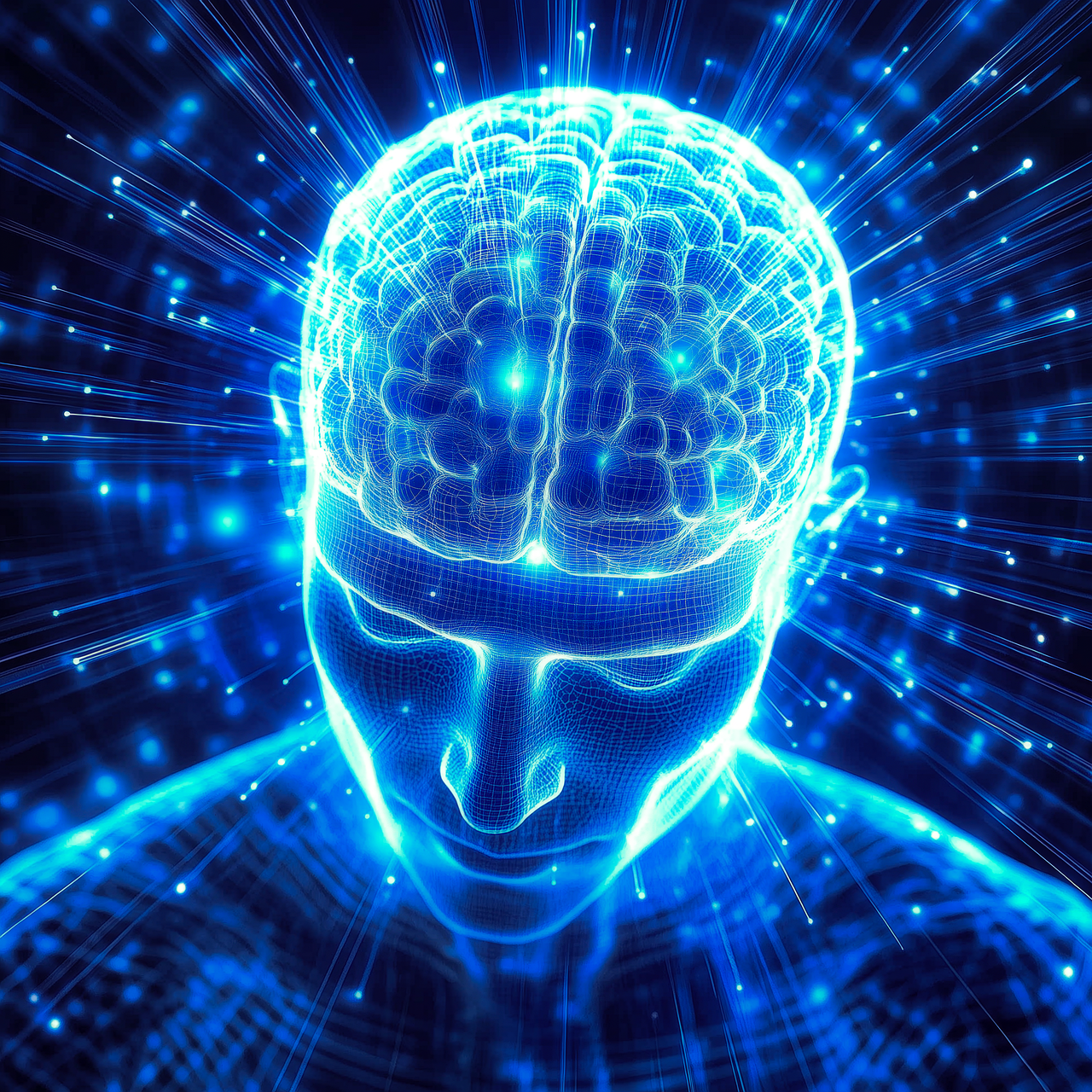
Neuroplasticity is the brain’s remarkable ability to reorganize itself by forming new neural connections throughout life. This adaptive capability is crucial for athletes as they seek to refine and enhance their skills over time. When athletes engage in repetitive practice, their brains create and strengthen pathways that connect motor skills with sensory feedback. This ongoing process is essential for mastering complex movements, from a gymnast’s routine to a football quarterback’s throws. Neuroplasticity allows athletes to adapt to new challenges, leading to better performance under varying conditions. For instance, in team sports, players must often alter their strategies based on their opponents’ actions, requiring swift neural adjustments. Emphasizing mental conditioning alongside physical training can foster neuroplasticity, ultimately balancing muscle memory with cognitive flexibility. By harnessing these cognitive tools, athletes can not only enhance their physical capabilities but also develop a deeper understanding of their sport. This broader perspective helps athletes maintain focus and composure, especially during high-pressure situations. Therefore, understanding and cultivating neuroplastic changes is vital for any athlete aiming to reach peak performance. Overall, neuroplasticity is indispensable for consistently developing skills in sports.
Benefits of Mindfulness for Neuroplasticity
Incorporating mindfulness practices can significantly enhance neuroplasticity and, consequently, athletic performance. Mindfulness involves being fully present in the moment, which encourages athletes to respond to their bodies and surroundings without distraction. By practicing mindfulness, athletes can strengthen the brain’s ability to adapt to new information and emotional states. This technique helps manage stress, anxiety, and pressure, which are often encountered in competitive sports. Research shows that mindfulness meditation promotes changes in brain structure and function, stimulating areas linked with attention, empathy, and emotional regulation. These changes can lead to improved focus during competitions and increased resilience to setbacks. Furthermore, regular mindfulness practice has been associated with increased gray matter density in areas of the brain involved in self-regulation and emotional control. By fostering these qualities, athletes can create a mental edge over their competitors. Incorporating mindfulness into training regimes can also contribute to enhanced performance through improved decision-making abilities and situational awareness. As athletes progress in their skills, ongoing practice of mindfulness ensures that their brain’s plasticity remains active, allowing for continued growth and development. Ultimately, this practice becomes an integral part of athletic training.
Another critical aspect of neuroplasticity in sports performance relates to the concept of deliberate practice. This targeted approach involves isolating specific skills and consistently practicing them to master their execution. Unlike simple repetition, deliberate practice challenges the athlete to push their boundaries and engage their mental capacity fully. In this way, new neural pathways can form more efficiently as one hones unique muscle movements and strategies. Additionally, receiving constructive feedback is essential, as it informs the athlete of their performance and helps them correct errors. Studies highlight that athletes who engage in deliberate practice not only improve their physical abilities but also develop better perceptual skills, which is fundamental in competitive environments. Positive feedback loops established through this focused training reinforce confidence, ultimately fostering a successful mindset. Athletes must set specific goals to maximize the benefits of deliberate practice, as achieving these milestones reinforces their motivation and commitment. Furthermore, combining physical skill development with mental conditioning techniques like visualization can augment the whole process. This holistic development strategy allows athletes to advance their competencies continually and unlock their full potential. Such practices lead to sustainable, long-term growth in their respective sports.
The Impact of Visualization Techniques
Visualization techniques play a pivotal role in enhancing neuroplasticity and skill development. Athletes rely on mental imagery to simulate perfect performance, solidifying their learning and practice without physical exertion. This technique allows for visualizing every aspect of their sport, from executing movements accurately to overcoming obstacles during competitions. When athletes visualize themselves succeeding, their brain engages in similar neural pathways as those used during actual practice, effectively strengthening those connections. Over time, these visualizations can lead to improved technique and confidence. Additionally, incorporating vivid details and sensory experiences into the imagery can enhance its effectiveness, making the mental rehearsal more impactful. For instance, imagining the sounds of the crowd or the feel of the equipment can deepen the connection between mind and body. Furthermore, studies indicate that mental imagery can enhance performance even in athletes who may not have had significant physical practice. By fostering these mental components, athletes maximize their potential to innovate strategies and solutions in real-time. Thus, ensuring that athletes dedicate time to visualization can yield remarkable benefits, enhancing their neuroplasticity and enabling exceptional skill acquisition. Mental imagery is an extraordinary tool in an athlete’s mental conditioning toolkit.
Nutrition significantly influences the brain’s neuroplasticity and athletic performance. A proper diet provides the essential nutrients necessary for optimal cognitive and physical function. Nutrient-rich foods such as omega-3 fatty acids found in fish, antioxidants from fruits and vegetables, and vitamins from whole grains support brain health and promote neurogenesis— the creation of new neurons in the brain. For athletes, consuming adequate fats, proteins, and micronutrients enhances not only their body’s performance but also cognition, which is fundamental in sports demanding quick decision-making. Furthermore, hydration is essential as even mild dehydration can impair cognitive functions. Nutrition and hydration should be part of an athlete’s overall training regimen, boosting both cognitive and physical capabilities. Additionally, these dietary strategies can support recovery processes, ensuring that athletes maintain energy levels and focus during rigorous training schedules. Regular monitoring of nutritional intake can help athletes tailor their diets to meet their specific training needs and performance goals. Also, educating athletes about the importance of nutrition for brain health can empower them to make better dietary choices. As the athlete’s brain is fuelled correctly, it can adapt and perform at its very best, facilitating peak performance in competitive scenarios.
Strategies for Enhancing Neuroplasticity
To enhance neuroplasticity, athletes can adopt several effective strategies as part of their training regimen. First, engaging in a diverse array of physical activities can stimulate different areas of the brain, reinforcing a broad spectrum of neural pathways. Varied training not only builds unique skills but also allows athletes to adapt better to unexpected situations during performance. Secondly, incorporating cognitive challenges, such as tactical games or problem-solving exercises, can boost mental agility. These activities encourage critical thinking and help athletes remain composed under pressure by fostering quicker decision-making processes. Another strategy involves consistent practice of skills in unpredictable conditions, simulating the variability of competition scenarios, which enhances adaptability. Additionally, building a strong support network, including coaches and peers, provides invaluable feedback and encourages shared learning experiences. This collaborative approach fosters an environment conducive to neuroplastic development. Lastly, ensuring adequate rest and recovery is vital, as the brain consolidates learning during downtime. Prioritizing sleep and relaxation can facilitate the brain’s natural neuroplastic processes, enabling athletes to integrate learned skills into their performance efficiently. Combining these strategies creates a comprehensive approach to enhancing athletic capabilities through neuroplasticity.
In conclusion, understanding the essential role of neuroplasticity in athletic skill development can significantly impact how athletes approach both their training and competition. By recognizing the brain’s ability to adapt and reorganize itself, athletes can leverage various mental conditioning techniques to enhance performance. From mindfulness practices and visualization techniques to a focus on nutrition and varied training, all these elements contribute to fostering neuroplasticity. Additionally, incorporating deliberate practice strategies can further harness this brain adaptability. Emphasizing the mental aspects of athletic performance encourages a holistic view, in which both mind and body work in concert. Coaching staff and athletes alike must prioritize these mental conditioning methods to fully realize the potential of neuroplasticity. It’s important to remember that mental growth is just as vital as physical conditioning in sports. As athletes explore these methods, they will discover that their cognitive and physical abilities are interlinked, ultimately elevating their performance to new heights. This evolving understanding of sports performance underlines the necessity to integrate mental conditioning strategies effectively. Through these evaluations, athletes will recognize they can continually evolve in their skills, reinforcing the principle of lifelong learning and development in the sporting realm.