
The Importance of Core Strength in Triathlon Training
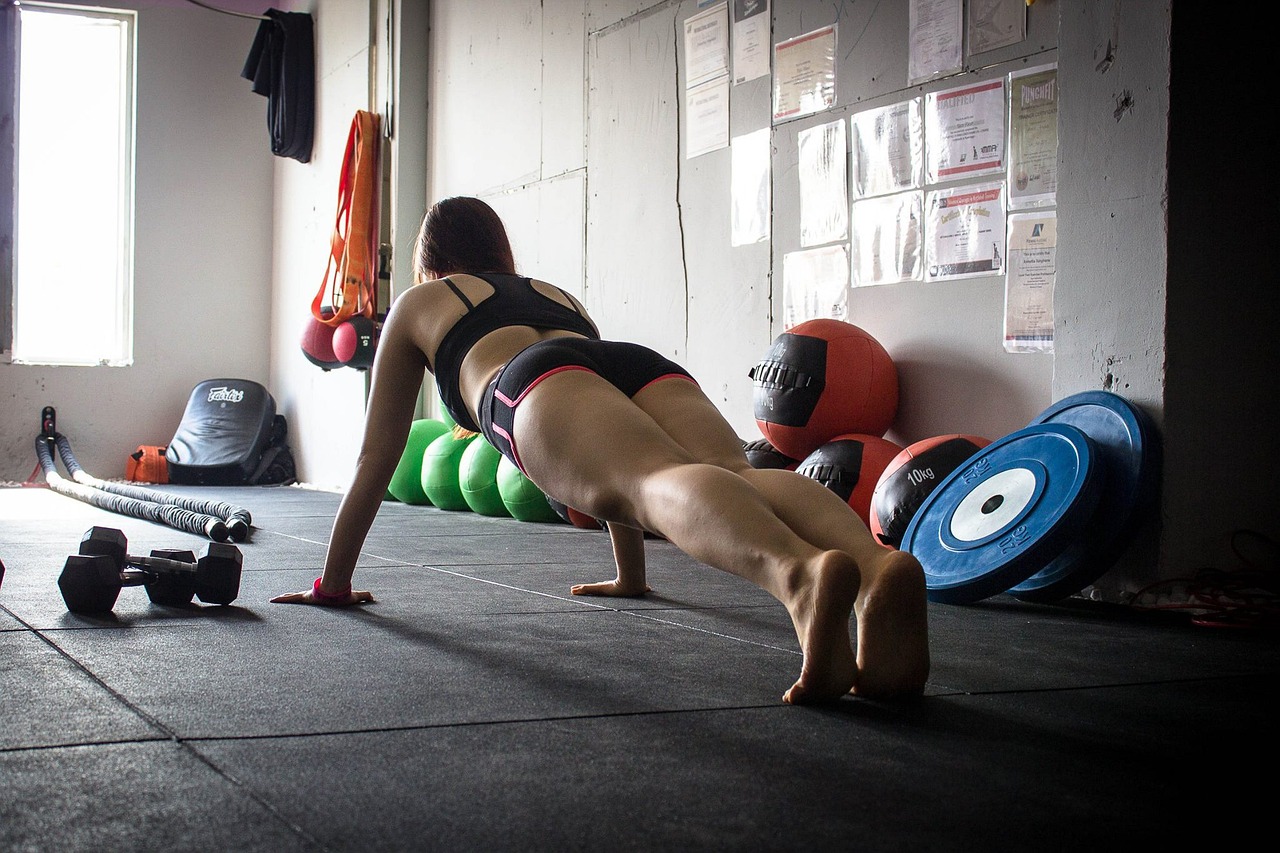
Core strength is vital for triathletes, as it serves as the foundation for overall performance. A robust core stabilizes the body during swimming, cycling, and running, which allows for more efficient movement. The core includes the abdominals, obliques, lower back, and pelvic muscles, working together to maintain balance and stability. Strong core muscles help prevent injuries, ensuring that athletes can train effectively and consistently. When the core is weak, other muscles compensate, leading to poor technique and increased fatigue. Maintaining proper form during each triathlon segment is essential. It not only enhances your efficiency but also improves your pace over long distances. Athletes should integrate specific core exercises into their training regimen. These can include planks, Russian twists, and leg raises. A comprehensive training plan should emphasize building core strength while also focusing on endurance and speed. Focusing on core strength will elevate an athlete’s performance in triathlons, improving their overall results and enjoyment. Therefore, dedicating regular time to core training should be a priority for triathletes at all levels.
Having a strong core not only aids in stability but also contributes to better breathing and oxygen utilization. When the core is engaged, triathletes can maintain a more controlled breathing pattern, which is particularly important during high-intensity efforts. This translates to enhanced aerobic capacity and allows athletes to manage their energy levels more effectively throughout a race. Good posture, facilitated by a strong core, impacts how efficiently oxygen is delivered to the muscles. In addition to improving oxygen delivery, strength in the core helps in maintaining balance during transitions. Triathletes must transition quickly between swimming, biking, and running, which requires stable body mechanics. Weak core muscles can lead to imbalances that hinder these transitions, potentially causing lost time. Core exercises should therefore be strategically incorporated into training schedules, especially during recovery weeks. Maintaining a balance between core training, endurance, and strength will lead to improved results. In addition, triathletes should consider the implementation of functional movements that simulate race conditions. Enhancing core stability through sport-specific training will ensure optimal performance when it matters most during competitions.
Core Strength and Injury Prevention
Strong core muscles play a vital role in preventing injuries among triathletes. When the core is adequately developed, it helps support the spine and pelvis, reducing the risk of lower back strain and injuries. Many triathletes suffer from muscular imbalances that arise from insufficient core strength, leading to overuse injuries, particularly in the hips and knees. Engaging in exercises aimed specifically at strengthening the core can protect against such ailments. Incorporating strength training routines that focus on the core enhances both resilience and performance. Typical core strengthening activities include planks, dead bugs, and side bridges that effectively target multiple core muscle groups. Additionally, developing a strong core empowers triathletes to maintain proper form throughout their training sessions and races. With better form, the likelihood of experiencing fatigue decreases, allowing them to perform at their best. Moreover, consistency in core training routines provides pivotal long-term benefits. Including core workouts multiple times per week ensures that triathletes remain injury-free and prepared for race day challenges. Prioritizing core strength not only ensures longevity in the sport but also leads to improved competitive results.
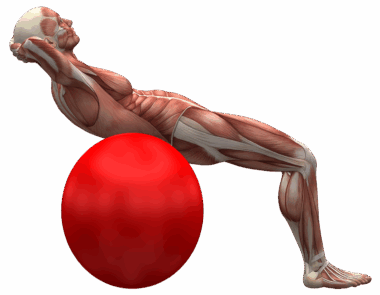
In conjunction with traditional core exercises, triathletes can benefit from integrating stability and balance training into their regimen. Tools such as stability balls, Bosu balls, and balance boards can add variety to core workouts while enhancing coordination and proprioception. These tools force the body to engage various muscle groups, further developing stability. Triathletes should embrace a diverse training regimen that incorporates both strength-building and aerobic exercises. Engaging in mixed modalities helps prevent plateaus and stimulates muscle adaptation. Furthermore, introducing dynamic movements that challenge the core during workouts can lead to significant gains in performance. The integration of core-focused strength workouts will enhance overall efficiency both on land and in water. Athletes struggling with their transitions or endurance performance should evaluate their core training plan. By taking the time to assess and adapt their routines, they can implement more targeted core-building exercises. Building a solid foundation of core strength allows triathletes to navigate transitions more fluidly, ultimately leading to improved race times. Investment in core strength must be treated as a key component of the training cycle.
Nutrition and Core Strength
Nutrition plays an essential role in supporting core strength and overall athletic performance. Consuming adequate macronutrients, particularly proteins and healthy fats, supports muscle repair and growth. Protein-rich foods like chicken, fish, legumes, and nuts contribute to recovery after intense training sessions. Simultaneously, healthy fats, such as those found in avocados and olive oil, provide energy necessary for endurance activities. Triathletes need proper nutrition to fuel their workouts and enhance muscle recovery effectively. Staying hydrated is equally important, as dehydration affects nutrient absorption and muscle function. Having a well-rounded diet rich in vitamins, minerals, and antioxidants is crucial for reducing inflammation and boosting overall health. Incorporating a variety of fruits and vegetables will help to support this aim. Strategic meal timing, particularly before and after workouts, can also optimize performance results. Consuming a balanced pre-workout meal ensures available energy during intense triathlon training while a post-workout meal promotes recovery and muscle gain. Ultimately, nutrition should not be overlooked as part of an athlete’s core strength strategy, ensuring optimal health and performance.
In conclusion, core strength is an indispensable aspect of triathlon training that significantly enhances performance and reduces injury risks. Incorporating core exercises into a training regimen provides numerous benefits, including improved stability, balance, and efficiency in all three disciplines of triathlon. These advantages notably contribute to an athlete’s successful performance during races. Athletes are encouraged to prioritize core workouts while integrating them with sport-specific training routines. Functional exercises designed to simulate race conditions can be especially beneficial for triathletes. Additionally, nutrition plays a vital role in building and sustaining core strength. Triathletes should practice good dietary habits to fuel their workouts and promote recovery effectively. As athletes develop their strength and endurance, they may find themselves performing better and experiencing less fatigue during training and competitions. In summary, building a strong core is paramount for athletes seeking to engage successfully in triathlon competitions. Those who invest time and effort into their core training will undoubtedly reap the rewards in performance, recovery, and enjoyment of the sport.
Finally, as triathletes look to improve their journey in the sport, engaging with experts may provide additional insights on enhancing core strength. Working with a coach, personal trainer, or physical therapist can uncover individualized assessment that addresses specific needs. These professionals can offer tailored programs to maximize performance gains while minimizing injury risks. Implementing feedback from experienced individuals can elevate an athlete’s training plan dramatically, allowing them to focus on enhancements that bear fruit. Group training and classes dedicated to core strength can also inspire camaraderie amongst fellow triathletes. Training with others may foster motivation and accountability, making the process enjoyable. As triathletes develop strong core strength, opportunities for collaboration may arise, leading to shared goals and accomplishments. Incorporating tools like resistance bands and kettlebells into training sessions can diversify workouts while building strength. Staying committed to core strength training will undoubtedly yield results on race day. Athletes must remember that every small effort counts, and ultimately, the dedication to refining one’s strength will lead to performance excellence in triathlon competitions.
In essence, the journey toward enhancing core strength is ongoing and multifaceted. Continuous engagement through regular workouts and exercises tailored to addressing specific weaknesses will contribute to transforming overall performance. As athletes navigate their training journeys, they should embrace the principles of structure, consistency, and evaluation. Adopting a holistic approach that combines strength, endurance, and nutrition will positively influence core muscle development. Furthermore, triathletes can explore the world of recovery strategies such as stretching, foam rolling, and massage therapy to facilitate progress. By cultivating a supportive training environment and fostering collaboration with peers, athletes will find motivation in their pursuit of improvement. The physical and psychological benefits of improved core strength should never be underestimated. Embracing a growth mindset allows athletes to stay resilient in overcoming challenges inherent in triathlon races. Investing time and effort into core strength will undoubtedly lead to enhanced race-day performance, sustainable practices, and increased enjoyment of the sport overall. Triathletes should take pride in every step they take towards strengthening their core muscles and be mindful of their journey toward athletic excellence. With dedication and consistency, a stable core will become a formidable ally in the quest for triathlon success.