
Pelvic Floor and Core Exercises for a Healthy Pregnancy
Pregnancy transforms many aspects of a woman’s body, particularly affecting core strength and pelvic floor stability. Engaging in core exercises during this time helps maintain strength while also supporting the growing baby. Understanding the significance of these exercises is crucial for future mothers. The benefits include enhanced posture, minimized back pain, and reduced discomfort in later stages of pregnancy. Core exercises focus on the abdominal muscles, lower back, and pelvic floor, improving the body’s overall condition. Involving simple and safe techniques can empower mothers-to-be to feel confident and capable throughout their journey. As the body adjusts, exercises are designed to comfortably accommodate changes without causing additional stress. A routine can be structured to focus on these core areas, ensuring that these fundamental muscles are not neglected. Engaging professional guidance or prenatal classes can aid in creating a tailored exercise plan. This ensures safety while maximizing effectiveness. It’s vital for mothers to listen to their bodies and consult with healthcare providers, adapting exercises as necessary. Therefore, establishing a solid core foundation can lead to a more enjoyable and healthy pregnancy experience.
One important exercise for improving pelvic floor health during pregnancy is the famous “Kegel” exercise. This simple yet effective technique helps strengthen pelvic floor muscles, which support the uterus, bladder, and bowel, reducing the risk of complications. Pregnant women can perform Kegels by contracting these muscles, holding for five seconds, and releasing. Practicing this regularly, around three sets of ten repetitions a day, can yield significant benefits, including improved bladder control and enhanced recovery during childbirth. Pairing these with core stability exercises engages the abdominal region, promoting better overall support and strength. Alternatives like bridge lifts can also be beneficial, concentrating on connecting the breath with movement to engage both pelvic floor and abdominal muscles. Furthermore, these exercises should be performed in comfortable lying or seated positions to minimize strain. Stay mindful to avoid overexertion or discomfort while doing them. It’s essential for women to focus on proper technique rather than the number of repetitions. Seeking advice from a qualified instructor can further refine technique and ensure readiness for childbirth as they maintain core strength during pregnancy.
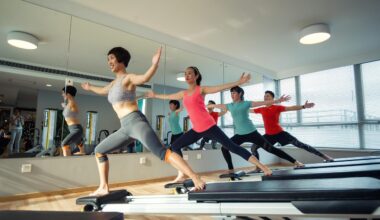
Incorporating yoga in a pregnancy exercise routine can be incredibly beneficial for pelvic floor and core strengthening. Specialized prenatal yoga classes cater to the unique needs of expectant mothers, offering a safe space to connect with their bodies and babies. Yoga improves flexibility, breath control, and mental clarity while also strengthening core muscles. Poses like cat-cow, child’s pose, and downward-facing dog can be easily modified for various stages of pregnancy. These poses particularly focus on core stability and pelvic floor engagement, essential for easing pregnancy discomfort. Additionally, yoga encourages deep breathing, which aids relaxation and stress reduction, positively impacting both mother and child. Research indicates that practicing yoga may lead to reduced anxiety levels, improved sleep quality, and enhanced overall well-being. Joining a supportive community of expecting mothers can also help motivate and inspire one another through their journey. Additionally, many online resources are available for those who prefer independent practice at home. However, seeking clearance from healthcare providers before starting any new exercise is always a smart step. This ensures the chosen yoga type is appropriate and safe for each unique pregnancy experience.
Safe Core Strengthening Exercises
When it comes to maintaining core strength during pregnancy, incorporating gentle exercises that focus on stability is vital. Engaging in exercises like squats can effectively strengthen the legs while also engaging the core. While performing squats, expectant mothers should ensure proper form to maintain safety throughout their practice. It’s crucial to keep the feet shoulder-width apart and to lower into the squat gradually, ensuring not to strain the back. Additionally, modified side planks can also be an excellent option for building core strength, allowing focus on engaging the oblique muscles. Starting with short holds, gradually increasing duration can enhance endurance over time. Another beneficial exercise is the bird-dog position, alternating between stretching one arm and the opposite leg while balancing on all fours. This not only enhances core stability but also fosters better posture. Expectant mothers should always pay close attention to their bodies, adapting exercises as necessary to avoid discomfort. Maintaining a good level of hydration and ensuring a warm-up before starting can also help in maximizing safety and effectiveness during these workouts.
Hydration and a balanced diet play critical roles alongside core strengthening exercises during pregnancy. As women engage in various workouts, sustaining hydration keeps energy levels optimal while promoting overall health. Drinking adequate fluids can also aid in muscle function, preventing cramping during physical activity. Pregnant women should aim for a well-rounded diet rich in nutrients, focusing on plenty of fruits, vegetables, lean proteins, and whole grains. Essential vitamins and minerals, like folate and iron, support both maternal and fetal health. Additionally, consider the importance of calcium and magnesium for bone strength, contributing to effective pregnancy workouts. Mothers-to-be should work with nutritionists or doctors to develop meal plans tailored to their specific needs. This helps in achieving the right dietary balance, ensuring that the body is well-fueled for exercise. Monitoring body weight within healthy ranges is also vital for ensuring a smooth pregnancy. Making mindful choices around snacks can also enhance energy levels and mood throughout the day. Pregnancy brings unique challenges, but with the right exercises and nutrition, empowered mothers can maintain a strong core and overall health.
Guidelines for Safe Exercise
Implementing guidelines for safe exercises during pregnancy is essential. Pregnant women should consult healthcare professionals before starting any new routine. It provides insights into which exercises are suitable based on individual health factors. Fitness is an important aspect of pregnancy; however, every mother’s experience is unique, thus engaging in customized plans maximizes safety and effectiveness. Listening to one’s body is critical. If any discomfort arises during exercises, modifications may be necessary. Staying mindful of heart rate levels during workouts can prevent potential fatigue or strain. Avoiding exercises that involve lying flat on the back, particularly during the third trimester, is advised to ensure proper blood flow. This includes positions that could stress the abdomen. Instead, consider using a stability ball or performing exercises from a side-lying position for support. Additionally, warm-up and cool-down routines should be integrated into every session to prepare and relax the body. Tracking progress helps in understanding personal limits and capabilities throughout pregnancy. Women can feel empowered by their bodies while maintaining core strength through safe practices.
In conclusion, incorporating pelvic floor and core exercises during pregnancy contributes significantly to overall well-being. Expectant mothers can adopt various safe and effective strategies, focusing on posture, strength, and stability. By engaging in suitable workouts, they enhance not only their health but also prepare adequately for childbirth. It fosters a positive mindset, reinforcing the bond between mother and baby. Women should remember the importance of nurturing their physical bodies with balanced nutrition and hydration while practicing exercises. The journey of pregnancy can be transformative; thus, finding joy in movement becomes essential. Creating a routine that encompasses different forms of exercises provides variety and keeps motivation strong. Seeking community support or prenatal classes fosters additional encouragement. Remember, there’s no one-size-fits-all approach, and adapting exercises according to personal preferences and body responses is key. This process enables mothers-to-be to honor their bodies while boosting confidence. As they maintain core strength, enhance pelvic floor health, and focus on overall wellness, they pave the way for healthier pregnancies and a happier experience. Embracing changes with grace can ultimately lead to empowerment throughout the transformative journey.