
Muscle Cramps and Their Connection to Dehydration
Muscle cramps are involuntary, sudden contractions of one or more muscles. They can occur at any time, but they are most common during exercise or at night. Many factors can lead to cramps, including dehydration. When the body loses fluids, especially through sweating, it can disrupt the balance of electrolytes. Electrolytes are vital for muscle function; when they are not adequately replaced, it may lead to cramping. A common sign of dehydration is thirst, but other symptoms are also essential to recognize. Muscle cramps are a significant indicator, highlighting the body’s need for hydration. Additionally, cramps can result from the lack of adequate stretching or overexertion. Athletes, in particular, should monitor their water intake during physical activities, ensuring they are properly hydrated to avoid cramps. They should also pay attention to their electrolyte levels, which can be replenished with sports drinks. Understanding the connection between dehydration and muscle cramps is crucial for anyone engaged in physical activities. By recognizing the signs, individuals can take proactive measures to stay hydrated, ultimately improving performance and reducing the risk of injury.
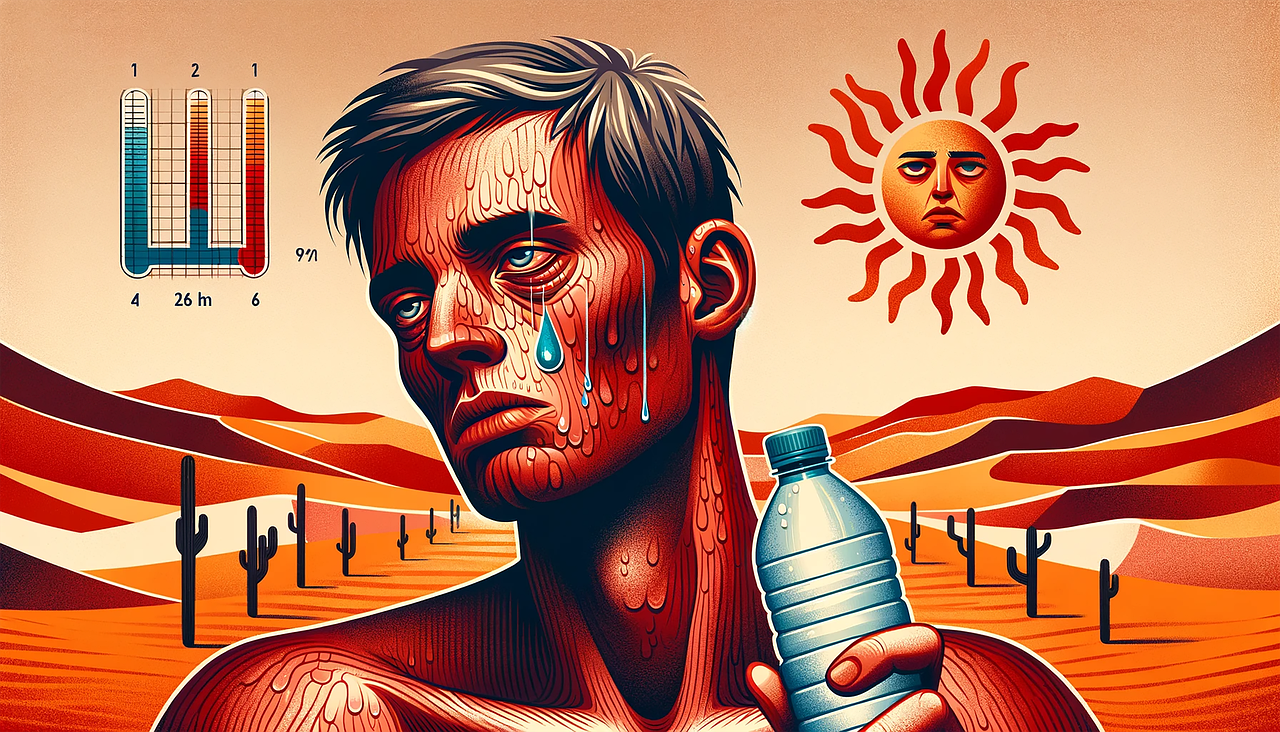
Signs of dehydration manifest through various symptoms that one should heed. These signs should motivate individuals to increase their fluid intake. Besides muscle cramps, dry mouth and thirst are also straightforward indicators. When the body is lacking water, it sacrifices saliva production; this leads to dryness in the mouth. Other symptoms can include dark yellow urine, fatigue, and dizziness. Paying attention to these warnings is necessary for maintaining optimal health. For instance, if someone notices that their urine is darker than usual, it may indicate a need for hydration. Simple lifestyle adjustments can significantly impact health. Regularly drinking water throughout the day, especially when engaging in physical activities, can prevent dehydration. It is advisable to keep a water bottle nearby as a reminder to drink. Consuming fruits and vegetables with high water content can help with hydration. Foods like watermelon, cucumbers, and oranges not only contribute to hydration but also provide essential vitamins and minerals. Recognizing dehydration symptoms ensures your body remains fueled and capable of performing daily activities efficiently. Being mindful of hydration creates an environment conducive to health and wellness.
Inadequate hydration can have cascading effects on your overall health, particularly on muscle function. Dehydration affects not only athletic performance but daily physical activities. As mentioned previously, muscle cramps can occur when electrolyte levels fluctuate due to insufficient water intake. The importance of water cannot be overstated; it helps transport nutrients throughout the body and maintains body temperature. Deficient hydration may lead to muscle fatigue, decreased stamina, and suboptimal performance. Athletes often push their limits; however, the moment they forget to hydrate adequately, their performance can decline drastically. Muscles need water to contract, relax, and recover properly. Therefore, maintaining hydration before, during, and after exercising is vital. It is also worth noting that muscle cramps can occur with sudden changes in activity levels. For instance, if someone suddenly increases their workout intensity or duration without adjusting their hydration routine, cramps can occur. This highlights yet another reason why recognizing the signs of dehydration is paramount. Hydration should not be an afterthought; it should be a priority for maintaining healthy muscle function and overall well-being.
Hydration Strategies to Prevent Muscle Cramps
Implementing effective hydration strategies is essential, especially for active individuals. A well-thought-out hydration plan helps prevent symptoms like muscle cramps. Firstly, understanding personal hydration needs is key; these vary based on factors such as age, gender, activity level, and environment. Typically, it is advised to drink at least eight glasses of water daily, but this may need to increase with physical exertion. Athletes might require more, especially when training intensively. Another strategy is timing your hydration; drinking water periodically throughout the day is better than consuming large amounts at once. This can enhance absorption and reduce the risk of cramping. Consider consuming electrolyte-rich drinks during long workouts or high-intensity activities to replenish lost nutrients. Foods like bananas and spinach are also rich in potassium, which helps maintain muscle function, reducing cramp risk. Listening to your body is equally crucial; if you feel thirsty or notice signs of dehydration, taking action immediately can forestall cramps. Remember, proper hydration is a continuous process, not just limited to workouts. Proactive hydration aids in optimal muscle performance.
Moreover, warming up and cooling down are critical components of any physical activity routine. While they may not seem directly related to hydration, these practices help prevent muscle cramps and promote overall muscle health. A proper warm-up increases blood flow to the muscles, preparing them for activity. When the muscles are adequately prepared, the need for hydration becomes apparent, as they can function more efficiently. Conversely, cooling down after exercise helps return the body to its resting state and aids in muscle recovery. This process can help the muscles rehydrate effectively after exertion. Stretching exercises post-workout can also alleviate tension and help maintain flexibility. These measures combined with proper hydration create an environment that minimizes cramps. Understanding your body’s needs during and after exercise will lead to better performance and a lower risk of injuries. Individuals can embrace a holistic approach that incorporates hydration, proper warm-ups, and cooldown routines. By focusing on these aspects, they set themselves up for long-term health, injury prevention, and consistent performance in physical activities.
Hydration remains vital not just for physical health, but mental well-being, too. Dehydration can impact cognitive function, leading to fatigue, lack of concentration, and irritability. Staying hydrated keeps the mind sharp, improving decision-making skills, especially important during sports or high-intensity workouts. Mental focus can significantly affect physical performance, and dehydration can create a feedback loop of fatigue and frustration. Identifying the relationship between hydration and overall cognitive function is essential. By maintaining adequate fluid levels, individuals can enhance their mental acuity, making them more effective in various activities. Incorporating hydration into everyday routines, such as setting reminders to drink water, can help maintain adequate levels. Moreover, acknowledging that different fluid sources contribute to hydration is crucial. Healthy beverages and foods can help boost fluid intake, offering flavor and nutrition. For instance, herbal teas, coconut water, and homemade smoothies are excellent alternatives. Such awareness transforms hydration from a mundane task into a fulfilling element of daily life. Ultimately, a holistic perspective on hydration fosters well-being, reflecting on both physical and mental aspects of health.
Conclusion: A Comprehensive Outlook on Hydration
In conclusion, understanding the connection between dehydration and muscle cramps is essential for everyone, especially those physically active. Regular monitoring of hydration levels and recognizing signs of dehydration can significantly enhance overall health and well-being. Incorporating proper hydration strategies into daily routines will improve performance, reduce fatigue, and minimize injury risk. Awareness of how internal and external factors affect hydration plays a vital role. Temperature, humidity, and intense physical activity can increase fluid needs, making it crucial to respond accordingly. By being proactive with hydration, individuals will improve their muscle health and support cognitive function as well. Remember that hydration goes beyond just drinking water; it includes hydration from foods and balanced electrolyte intake. Additionally, maintaining an awareness of body signals allows for timely interventions, preventing dehydration-related issues. Keep hydration at the forefront of health strategies, as it fosters a foundation for optimum physical performance and general wellness. Finalize this journey through health by making hydration a priority, ultimately enhancing both the quality and enjoyment of your life.
Furthermore, understanding that muscle cramps are often an indicator of dehydration helps facilitate a proactive approach to hydration. Educating oneself about dehydration symptoms empowers individuals to make informed decisions regarding fluid intake, effectively transforming habits for optimal health. Knowledge is power, enabling individuals to recognize the importance of consistent hydration, both during and outside of physical activities. Maintaining hydration fosters not only physical resilience but mental clarity, essential for achieving personal and athletic goals. Making small adjustments to daily routines, like opting for water in place of sugary drinks, can yield significant benefits. Hydration need not be a burden; it can be an integrated part of a fulfilling lifestyle. Exploring diverse fluid options can make the hydration journey enjoyable. Infused waters, smoothies, and herbal teas offer refreshing variety while supporting hydration goals. Ultimately, prioritizing hydration unlocks a path toward enhanced performance, reduced risk of cramps, and improved overall well-being. Therefore, embrace the journey of hydration, cultivating a habit that could redefine health and wellness experiences, leading to lasting enjoyment in everyday life.