
How to Properly Stretch After a Weightlifting Session
Weightlifting can be physically intensive, and completing a session can lead to tight muscles that require careful management. Implementing proper stretching routines post-exercise is crucial for recovery. Stretching helps to improve flexibility, reduce soreness, and lower the risk of injury. It is beneficial to make these stretches a habit to enhance performance in future workouts. Furthermore, dedicating time to your cool-down improves blood circulation, ensuring your muscles receive vital nutrients and oxygen for recovery. Understanding the importance of cooling down can also lead to better overall fitness. Muscle recovery is essential, as it allows the body to repair itself after strenuous activity. A well-structured stretching routine can increase your range of motion and accelerate recovery processes. Be sure to include both static and dynamic stretches after weightlifting to target various muscle groups. Gradually easing the body into a state of rest is essential following intense physical activity. By incorporating techniques such as deep breathing and gentle movement, you will manage your post-workout state effectively, paving the way for successful fitness progress while nurturing your body during recovery.
Benefits of Stretching After Weightlifting
Emphasizing the significance of stretching post-weightlifting provides myriad benefits. First and foremost, it aids in decreasing muscle stiffness, allowing you to maintain an active lifestyle without undue discomfort. Stretching can also improve your body’s overall flexibility, which is not only beneficial for weightlifting but also enhances day-to-day mobility. When incorporated into your recovery routine, stretching plays a pivotal role in muscle repair and growth, speeding up the healing process by promoting blood flow. This process is vital, as healthy muscles can perform better and recover quicker during subsequent workouts. Additionally, systematic stretching can prevent injuries by addressing tightness and imbalances in your body. This strategy ensures that each muscle group is equally engaged and less susceptible to injury. Moreover, mental benefits should not be overlooked. Engaging in stretching after a session can be a meditative practice that brings awareness to your body. It allows an opportunity to reflect on your workout, providing insights for improvement. Setting aside time to stretch after lifting weights creates a perfect opportunity for mindfulness, enhancing your overall workout experience and fostering a positive attitude towards fitness.
Starting with a proper cool-down routine can set the stage for effective stretching. Begin with a few minutes of light aerobic activity, such as walking or cycling, to gradually lower your heart rate. This will prepare your muscles for the upcoming stretching routine. After your aerobic exercise, it is important to focus on specific muscle groups that were heavily engaged during your lifting session. Common target areas post-weightlifting include the quadriceps, hamstrings, pecs, and back. Utilizing both static and dynamic stretches is vital for comprehensive recovery. Static stretching means holding a position for a certain duration to lengthen and ease muscles. On the other hand, dynamic stretches incorporate movements that engage muscles to improve flexibility and range of motion. Each stretch should be held for approximately 30 seconds to ensure effectiveness. Pay attention to your body’s signals; never push into pain. Experience the benefits of a personalized stretching routine, as it can significantly affect how you feel and perform. Stretching not only enhances muscle length but also optimizes performance in future workouts, ultimately providing more satisfaction from your training efforts.
Techniques for Effective Stretching
To ensure effective stretching, maintain a consistent mindset through mindful movements. Begin with gentle stretches, focusing on breathing and relaxation. Utilize proper form while performing each stretch, ensuring that the movements are controlled and smooth. Additionally, listen to your body’s feedback, adjusting your technique if needed. It’s important to avoid bouncing during stretches, as this can lead to muscle strain or injury. Instead, finding a balance between gentle pressure and comfort will yield better results. Engaging your core while stretching can further enhance stability and support during routines. Consider seeking guidance on specific stretches tailored for weightlifters. Expert tutorials or guides can provide valuable insights into techniques that may target the areas you wish to focus on. Pioneering your own stretching routine can also help identify which stretches work best for your unique body. Incorporating variety into your routine is key; aim to mix static, dynamic, and foam rolling techniques to maximize recovery. Consistency is crucial; performing these stretches regularly will ensure that you continue reaping the benefits of improved flexibility, reduced tension, and overall muscle health over time.
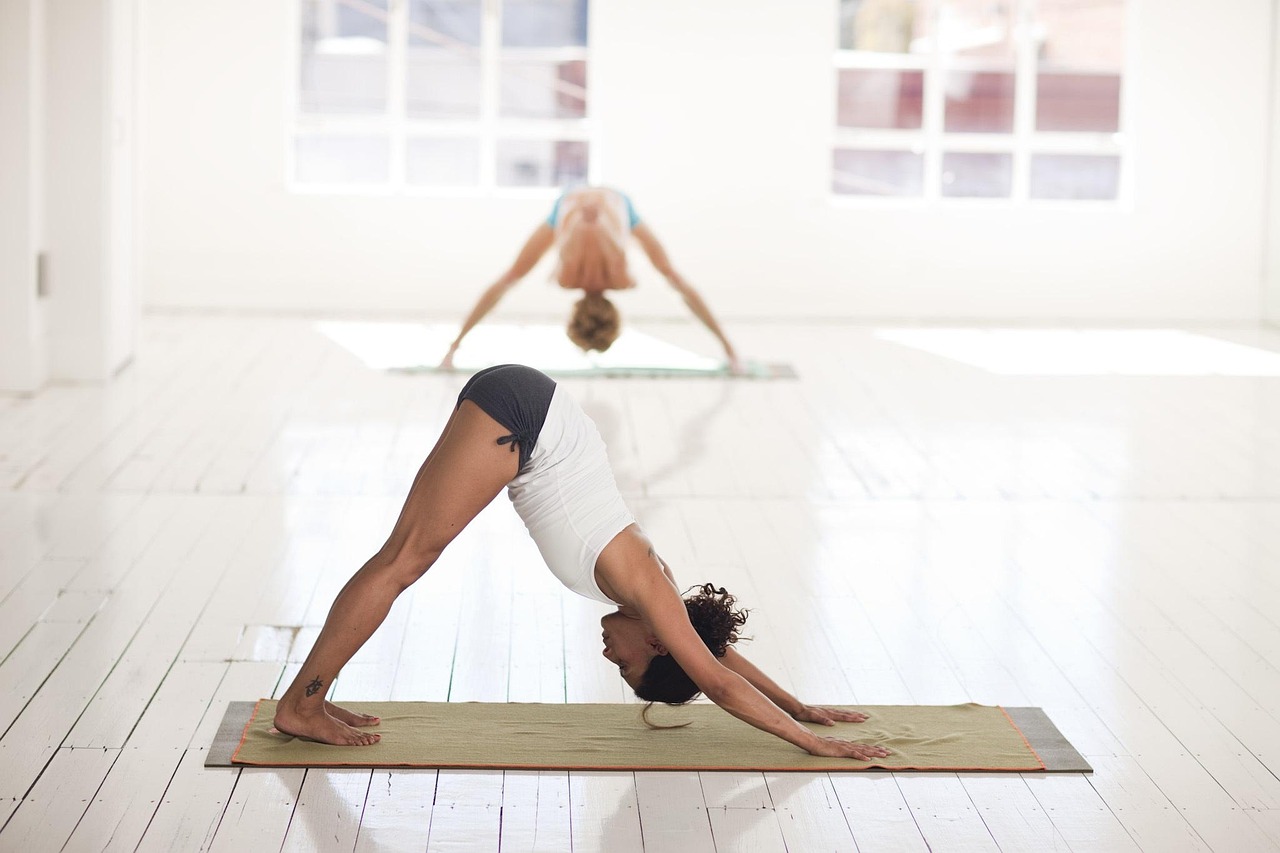
Incorporating specific stretches for major muscle groups can greatly enhance your cool-down routine. For instance, consider practicing the standing quad stretch to effectively target your quadriceps. To execute this stretch, stand upright, grasp one ankle behind you, and gently pull your foot toward your buttocks, feeling a light stretch in the front of your thigh. Hold this position for about thirty seconds before switching to the other leg. Next, perform a forward bend to stretch the hamstrings. With your feet hip-distance apart, hinge at the hips and lower your upper body towards your knees, aiming to touch your toes while keeping a slight bend in your knees if necessary. To stretch your chest and shoulders, clasp your hands behind your back, open your arms, and draw your shoulder blades together. Finally, include a gentle spinal twist while seated to release tension in the back muscles. This holistic approach allows for comprehensive cooldowns. These targeted stretches, along with patience and care, create a well-rounded recovery routine that effectively prepares you for future weightlifting sessions while promoting overall muscle health.
Frequent Mistakes in Stretching
Aiming for an effective stretching routine requires awareness of common pitfalls. One frequently seen mistake is neglecting to stretch both sides of the body evenly. Skipping stretches on one side can lead to increased muscle imbalances and tension over time. Thus, ensure that you dedicate equal attention to every muscle group following your weightlifting session. Another common error is stretching cold muscles without prior gentle movement to warm up the body. When muscles are cold, they become more prone to strains or tears, putting you at risk for injury. Additionally, many individuals rush through their stretching routines, failing to hold stretches for an adequate duration. Holding is vital for muscle elongation, and a minimum of thirty seconds is recommended. Also, avoid the pressure of trying to force a deeper stretch, as this can lead to injury. Respect your body’s limitations and focus on gradual improvement. Recognize that feeling a stretch is essential, but pain is a warning sign. By addressing these common mistakes and dedicating time to your stretching routine, you will support effective muscle recovery time and optimize future weightlifting performance.
Lastly, integrating mindfulness into your stretching routine can offer significant advantages. Practicing breathing techniques while stretching can enhance both mental and physical well-being. As you stretch, inhale deeply and exhale slowly to calm your mind and focus your energy on your muscles. Consider visualizing the tension releasing from your body as you hold each stretch, allowing the muscle fibers to relax entirely. This mindfulness aspect can transform routine stretching into a meditative experience, promoting a greater connection with your body. Additionally, contemplate incorporating imagery of your goals to further boost motivation. Laying the groundwork for a successful weightlifting regimen goes beyond mere physical exertion; it encompasses a holistic approach to fitness. Each stretching session can equally serve as a moment of reflection, strengthening your commitment to progress. Such connection will not only ease your post-workout experience but can also inspire better adherence to workout routines. Focusing on your well-being enhances the recovery process, making strides in flexibility, strength, and overall performance more attainable. By being conscious of each stretching session’s impact, you create a path toward fitness success.
Regularly reviewing your stretching routine keeps the practice effective. Assess your progress and make adjustments that cater to your evolving needs as a weightlifter. Consider working with a trainer or physical therapist for expert insight tailored to your specific muscle recovery goals. Additionally, recording your post-workout experience through a fitness journal can provide clarity on which stretches yield optimal recovery. Explore various stretches and techniques as they relate to personal preferences and comfort. Over time, the right combination will emerge, leading to the perfect post-weightlifting recovery routine. Commit to regular stretching as an integral part of your training regime to nurture your body through every lifting session. Building a comprehensive stretching routine may be the key to maximizing benefits that directly influence your weightlifting performance. By establishing a solid foundation with a focus on cooldowns, your workouts will see progress that translates into real results. Meanwhile, remember to celebrate small achievements that arise from this journey. Through attention and perseverance, effective stretching becomes a natural extension of your weightlifting practice. Embrace each session and look forward to the improvement and flexibility it inspires.