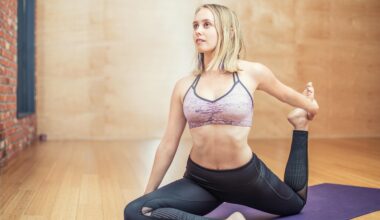

How to Create a Personalized Fitness Challenge
Creating a personalized fitness challenge involves understanding your current fitness level and goals. Begin by conducting a self-assessment to determine your baseline abilities. This assessment can include cardio endurance, strength, flexibility, and body composition. Next, set realistic and specific goals that are measurable. Consider what you aim to achieve—weight loss, muscle gain, increased endurance, or overall health improvement. Establish a timeline for your challenge, deciding how long you want your fitness journey to last. A typical duration could be anywhere from a month to three months, depending on your goals. Remember, gradual progress is key to maintaining motivation and avoiding injuries. Once your objectives are set, outline the specific workouts needed to achieve them. Include a mix of cardiovascular exercises, strength training, and flexibility workouts. It’s also beneficial to incorporate rest and recovery days. Create a weekly schedule to stay on track, making adjustments as necessary based on how you feel. Tracking your progress through journaling or using fitness apps can help maintain your focus and accountability, making your challenge fun and rewarding.
Your fitness challenge should also incorporate community support. While personal goals are important, having a support system can tremendously enhance your motivation. Reach out to friends, family, or online fitness communities that share similar goals. This social aspect not only provides encouragement but also fosters accountability. Think about forming a support group or joining fitness forums where sharing progress helps everyone involved. Additionally, consider incorporating friendly competitions with peers to cultivate a spirit of camaraderie. Such interactions create a sense of belonging, which can enrich your fitness experience. Use social media platforms to connect with others embarking on similar challenges; sharing milestones can be incredibly uplifting. Ask for tips and share your own experiences, creating a two-way street of motivation. Visualize the kind of encouragement that could keep you committed to your workouts. Consider challenging your friends or family to join you, offering reciprocal support. This not only builds relationships but also reinforces your determination, transforming the fitness challenge into an enjoyable journey, rather than a solitary task. Sharing goals can bring an invigorating spirit of competition and collaboration that benefits everyone.
Choosing the Right Type of Challenge
When developing a fitness challenge, consider various types that resonate with your lifestyle and preferences. Choosing a challenge is essential because it sets the tone for your fitness journey. Start by identifying activities that you genuinely enjoy—whether it’s running, cycling, yoga, or weight lifting. This excitement will keep you committed and eager to participate daily. Next, explore different formats like daily, weekly, or monthly challenges. You might aim for a specific number of workouts per week, a set distance to run, or a number of gym sessions completed. Another option is skill-focused challenges, such as mastering pull-ups or perfecting a yoga pose. Choose a method that aligns with your fitness objectives while remaining entertaining. You could also explore themed challenges like “30-Day Plank Challenge” or “10K in a Month” to add variety and visual appeal to your routine. As you adapt your challenge to fit your lifestyle, stay flexible by making adjustments when needed. Most importantly, ensure that your fitness challenge stimulates progress without overexerting your limits. It should always remain enjoyable and satisfying.
Nutrition is integral to your fitness challenge. Regardless of the physical activities involved, ensuring proper nutrition sets the foundation for success. Evaluate your current dietary habits by keeping a food journal for a week. Note down everything you consume, identifying any unhealthy patterns. Next, establish a balanced eating plan that aligns with your fitness goals. If your goal is weight loss, focus on caloric intake; for muscle gain, prioritize protein consumption. Regardless of your aim, don’t neglect fruits and vegetables, which provide essential vitamins and minerals. Incorporate whole grains and healthy fats, ensuring you fuel your body adequately. Meal prepping can also help you maintain focus, as it allows you to prepare healthy meals in advance. Hydration plays a crucial role in your fitness journey, so drink plenty of water throughout the day. Additionally, consider consulting a nutritionist or dietitian for tailored advice and meal plans. Quality nutrition alongside your fitness regimen will aid recovery and improve overall performance. Keep track of your dietary changes, adjusting as necessary, ensuring that your nutritional support matches your evolving fitness needs.
Staying Motivated Throughout the Challenge
Maintaining motivation during your fitness challenge is essential for achieving your goals. To avoid burnout, keep things fresh by occasionally changing your routine. Incorporate variety by trying new classes, sports, or exercises that intrigue you. Setting short-term milestones can also help keep your spirits high—celebrate small accomplishments along the way. Consider rewarding yourself when reaching these milestones, whether through new workout gear, a massage, or a relaxing day off. Each reward adds an element of excitement to sustaining your routine. Keep visual reminders of your goals visible around your home, like motivational quotes or pictures of your desired outcomes. Engaging in group workouts can be energizing, helping you feel excitement from your peers. Track your progress closely and share updates with friends or online communities to foster accountability. When you’re tempted to skip a workout, having an active support system can help push you through. Focus on the positive feelings and energy you gain from exercise, reinforcing the joy of participation. Remember that every workout contributes to your overall success, reminding yourself of why you started your journey.
Reflecting on your fitness journey at the conclusion of your challenge is vital. Take some time to assess what you’ve accomplished, identifying strengths and areas for improvement. Consider aspects such as your endurance, strength, and overall well-being. Reflecting will help solidify your learning and determine next steps. If you achieved your primary goals, celebrate those victories, and recognize the work you’ve put in. Alternatively, if your goals were unmet, identify barriers that hindered your progress. This reflection process focuses on personal growth and continuous improvement. You might consider setting new goals based on your experiences, using your developed insights to design even more effective challenges. Share your journey with your support community; this reciprocity strengthens bonds and inspires others. Recycling your learned experiences and techniques can fuel your future challenges, allowing you to build on previous successes. Documenting and evaluating your fitness journey enhances self-awareness, guiding your next steps in your lifelong commitment to fitness and well-being. As you transition away from your initial challenge, approach your fitness journey with renewed zeal, ready for the next objectives.
Conclusion: Embracing the Fitness Challenge
Ultimately, creating a personalized fitness challenge is about understanding your individuality and preferences. Recognizing your strengths, limitations, and motivations shapes a satisfying fitness experience. As you approach each aspect—whether it’s community engagement, nutrition, or setting appropriate goals, committing to a challenge allows personal growth. Staying flexible and adapting your strategy ensures continued progress while maintaining enthusiasm. Celebrate your victories, including small milestones, which cultivate a positive mindset. Your fitness challenge stands as a personal journey that should inspire joy and empowerment. Balancing fun with discipline in workouts fosters not only improvements but a passionate connection to your health. Encourage others to join you and share resources, developing a robust support network that emphasizes community. As you evaluate and progress through your challenges, remember that fitness is a life-long endeavor. Take pride in your achievements—whether they are big or small—and remain open to new experiences. By embracing your personalized challenge, allowing for creativity, and maintaining interaction with others, you can craft not only a healthier lifestyle but a vibrant fitness community that nurtures support and growth.
This completes your structured article about creating a personalized fitness challenge. Each segment is designed to enlighten and engage. Based on the tips provided above, you can embark on your own journey, motivating yourself and others for a healthier lifestyle. Keep pursuing your fitness goals with determination and an open mindset.