
How Personalized Adaptive Fitness Plans Enhance Results
Adaptive fitness is an innovative approach that tailors exercise programs to meet the unique needs of individuals with disabilities. This customization helps participants achieve their fitness goals effectively, fostering both confidence and physical well-being. A well-designed adaptive fitness plan goes beyond traditional workouts by incorporating elements that address specific disabilities or limitations. By focusing on individual capabilities and preferences, these plans can lead to enhanced engagement and improved outcomes. The integration of technology in adaptive fitness also provides real-time feedback, allowing trainers to adjust workouts dynamically. Moreover, effective communication between trainers and participants is crucial, helping to establish trust and facilitate motivation. Understanding the myths surrounding adaptive fitness is essential to creating an inclusive environment. One common misconception is that individuals with disabilities cannot achieve significant physical improvements. This myth is debunked by numerous studies indicating that adaptive fitness can lead to effective strength gains, endurance, and improved functional mobility. As professionals in adaptive fitness work to dispel these myths, more individuals can be empowered to participate and experience the benefits of tailored exercise programs for their success.
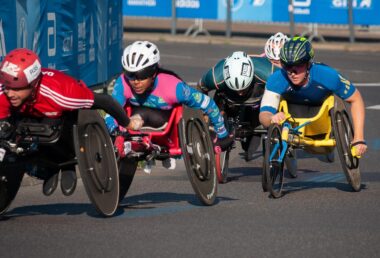
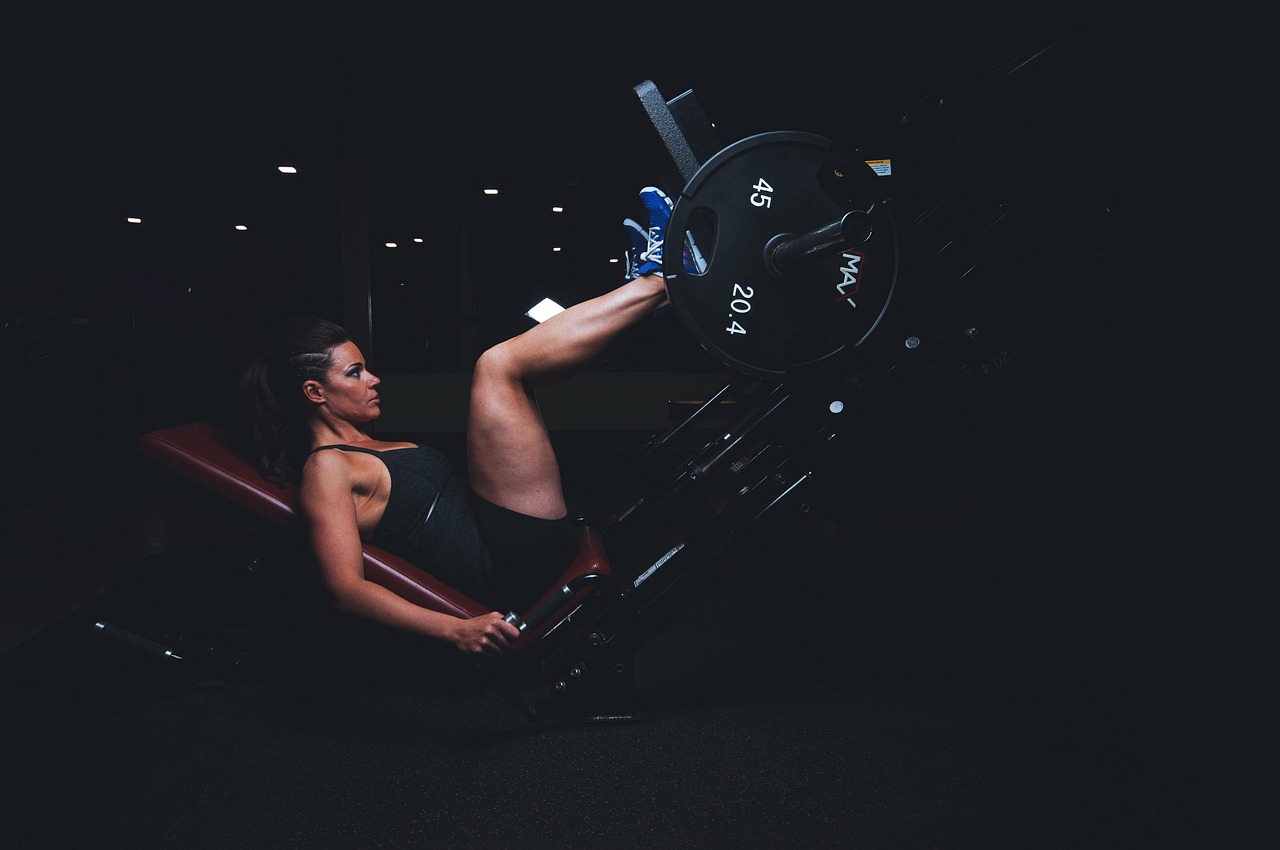
Another significant aspect of personalized adaptive fitness plans is the inclusion of several modalities. These modalities can integrate strength training, flexibility exercises, adaptive or seated cardio activities, and balance enhancement techniques. By diversifying the types of exercises offered, these plans cater to different skill levels and preferences of participants. Providing options encourages individuals to stay consistent and motivated, ultimately leading to longer-lasting results. Tailoring exercise regimens to unique physical conditions is key in adaptive fitness. Many may find themselves grappling with preconceived notions about their capabilities. When designing personalized programs, trainers consider not just the individual’s physical limitations but also their interests. For instance, incorporating sports or recreational activities enhances enjoyment, and therefore adherence to the exercise regimen. Overcoming psychological barriers is as critical as addressing physical ones. By helping participants recognize their strengths and potential, adaptive fitness professionals can cultivate self-efficacy, leading to greater personal satisfaction and perseverance. Continuous evaluation of these personalized plans further ensures they evolve alongside the participant’s growth and changing abilities, promoting sustained engagement and health benefits.
Building Confidence and Building Skills
Another essential benefit is that personalized adaptive fitness plans help build confidence. When individuals see tangible improvements in their abilities, it reinforces their self-perception as fitness participants. This gradual empowerment facilitates a more positive and proactive approach to health, inspiring individuals to push beyond their own perceived limits. Adaptive fitness professionals not only design programs to promote physical improvement but also instill critical life skills. These may include goal setting, time management, and self-discipline, all of which contribute to comprehensive personal development. Moreover, participants often find themselves becoming advocates for adaptive fitness within their communities, sharing their stories and encouraging others to take part. This community building fosters a support network that is integral to participant success. Furthermore, engaging family members or caregivers in the process can promote a holistic approach to health, leading to better outcomes for everyone involved. Overall, personalized adaptive fitness plans offer more than just physical exercise; they enhance life skills, improve self-esteem, and create a strong support system that encourages continual growth and achievement. Therefore, embracing these benefits widens participation and acceptance in fitness contexts.
Additionally, accessibility is a crucial component of adaptive fitness plans. No two individuals have the same needs, and creating choices for varying accessibility levels is necessary to ensure everyone can partake in fitness activities. This could involve providing access to specialized equipment or facilities that accommodate diverse physical requirements. Furthermore, trainers and gyms must stay educated on the latest advancements in adaptive fitness technologies, ensuring they can offer the best possible resources for their clients. Training techniques like virtual adaptations, remote coaching, and supplemental app usage are transforming how adaptive fitness is approached, allowing for personalized coaching irrespective of location. These innovations minimize barriers for individuals who may have transportation issues or live in remote areas. Effective collaborations with organizations catering to disabilities can also enhance resource availability, ensuring a more significant and broader participation in adaptive fitness programs. The ongoing commitment to accessibility in fitness is essential to promote inclusivity genuinely. By prioritizing it, we allow individuals of all abilities to engage in physical activities that enhance their overall quality of life and well-being throughout their fitness journeys.
Personalized Nutrition and Wellness
Furthermore, integrating personalized nutrition guidance into adaptive fitness plans can amplify their efficacy. Nutrition plays a pivotal role in overall health, directly impacting exercise performance and recovery. Personalized nutritional strategies account for unique dietary needs, preferences, and potential restrictions arising from disabilities or medical conditions. By collaborating with registered dietitians, adaptive fitness professionals can provide tailored meal plans, ensuring participants receive adequate nutrients and maintain optimal energy levels. A focus on nutrition not only supports physical outcomes but also enhances overall well-being, influencing mental and emotional health. Just as fitness should address individual physical capabilities, nutrition needs to align with participants’ lifestyles and preferences for greater enjoyment and adherence. Encouraging participants to actively partake in their nutrition planning empowers them further, providing choices that resonate with their unique goals. Workshops or education sessions on healthy eating habits can enhance an individual’s understanding of nutrition’s role alongside fitness. Ultimately, a well-rounded approach combining personalized adaptive fitness plans with nutrition fosters a comprehensive wellness journey that promotes healthier outcomes for individuals with disabilities.
In conclusion, personalized adaptive fitness plans play a vital role in enhancing participation, confidence, and overall health among individuals with disabilities. These plans address physical capabilities while simultaneously fostering skills, self-efficacy, and community connections. The focus on accessibility and collaboration equips trainers to provide the necessary support for participants, ensuring a conducive environment for success. It’s essential to look beyond the myths associated with adaptive fitness and recognize the potential for significant results. With the right resources, dedication, and commitment, individuals can experience transformative health benefits, enhancing their quality of life. The synergy of personalized fitness and nutrition paves the way for sustained improvements, addressing both physical and emotional aspects of health. As adaptive fitness continues to evolve, pursuing innovative approaches creates opportunities for even wider participation. Advocating for inclusivity in fitness empowers individuals to challenge societal norms surrounding disabilities, cultivating a culture of acceptance and support. The collective understanding that adaptive fitness can lead to remarkable results fosters motivation, promoting a healthy lifestyle for everyone involved.
Ultimately, celebrating the successes of individuals engaged in adaptive fitness is crucial. These achievements, whether big or small, deserve recognition to reinforce belief in the viability of adaptive fitness as a transformative practice. Social media platforms have proven effective for individuals to share their journeys, creating role models that inspire others. It’s imperative for fitness organizations and professionals to highlight stories of achievement, encouraging participation in adaptive fitness programs nationwide. As communities embrace these narratives, they open the doors to greater acceptance and adaptation of fitness practices suitable for individuals with disabilities. Being part of a supportive environment fueled by encouragement boosts contentment and engagement among participants. Over time, this can lead to vast improvements in physical and emotional health, ultimately redefining capabilities and pushing beyond boundaries. Therefore, a communal approach to adaptive fitness nurtures collective growth and fosters hope for a more inclusive future. As awareness continues to build around the importance of adaptive fitness, everyone can contribute to eliminating barriers, ensuring that everyone has the opportunity to lead healthier, more fulfilling lives.