
Foam Rolling and Pilates: A Dual Approach to Posture Correction
Foam rolling and Pilates are two effective methods that can significantly enhance posture correction. While Pilates focuses on building strength and flexibility through controlled movements, foam rolling aids in muscle recovery and tension release. Understanding the distinct benefits of both can lead to improved spinal alignment and overall posture. Integrating these approaches into your routine provides a comprehensive strategy for maintaining proper posture. Pilates exercises often emphasize core stability, which is essential for posture improvement. Meanwhile, foam rolling can target specific muscle knots and tight areas that often contribute to postural issues. The combination of these practices promotes better alignment by addressing both muscular balance and flexibility. Notably, specific Pilates exercises can be designed to activate and strengthen postural muscles. Meanwhile, regular foam rolling sessions can prepare the body for these exercises by loosening tight muscles. When practiced together, they can enhance overall physical performance. Anyone seeking to enhance their posture can enjoy the benefits of foam rolling and Pilates. Listening to your body and incorporating both methods can be the key to achieving lasting postural improvements and a more balanced physique.
Before diving into the benefits of foam rolling, it’s essential to understand its purpose in relation to posture. Foam rolling is a self-myofascial release technique that targets muscle tightness and enhances blood flow. By using foam rollers, practitioners can alleviate tension in muscles that may be contributing to poor posture. For example, tightness in the upper back or chest can lead to slumped shoulders, negatively affecting posture. Regular foam rolling can create more flexibility and space in these areas, promoting a more upright posture. Moreover, foam rolling can be particularly beneficial after Pilates workouts to reduce soreness. It is a fantastic way to enhance recovery and maintain mobility, allowing individuals to engage fully in their stretching and strengthening routines. Additionally, by focusing on specific muscle groups, foam rollers help prevent injuries, making it easier to engage in Pilates exercises without discomfort. This prevention is crucial for those looking to improve posture long-term. The synergy between foam rolling and Pilates can create a dynamic approach to physical well-being. Seeking professional guidance can help tailor this approach to individual needs effectively.
Benefits of Pilates for Posture
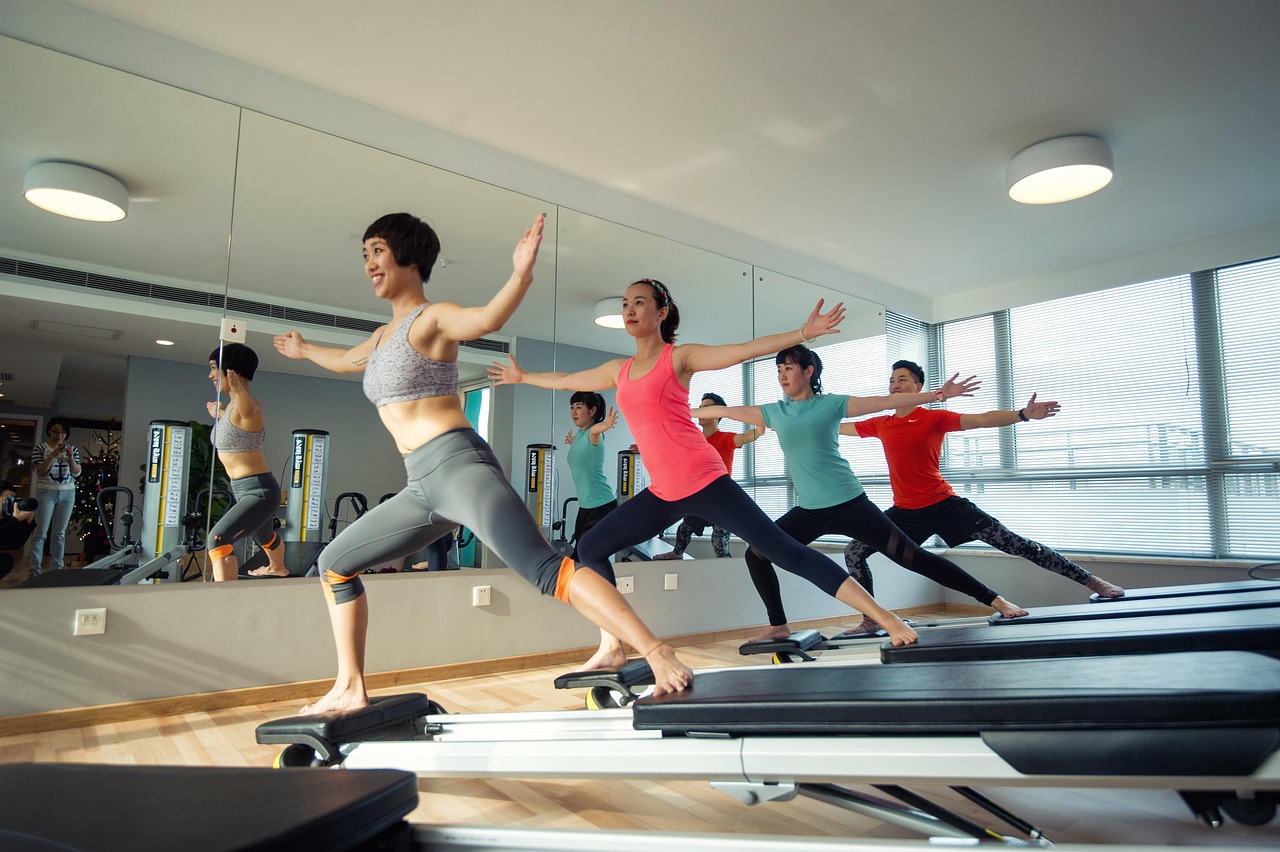
Pilates offers numerous advantages for individuals looking to improve their posture. By focusing on core strength, flexibility, and body awareness, Pilates teaches participants how to align their bodies properly. This practice encourages engaging the deep abdominal muscles essential for stabilized posture. Improved core strength not only assists in lumbar support but also promotes balanced muscle use throughout the body. By emphasizing controlled movements, Pilates effectively trains individuals to be more aware of their body alignment during activities. This increased awareness can translate into everyday life, where maintaining good posture is vital. Regular participation in Pilates can lead to enhanced flexibility that reduces tightness in areas prone to discomfort, such as the hips and shoulders. As a consequence, this flexibility allows for a greater range of motion, further improving posture. Additionally, Pilates can address muscle imbalances that contribute to postural misalignment. Exercises can target both the front and back of the body, ensuring that no area is neglected. With consistent practice, Pilates facilitates relaxation and releases built-up tension, embodying an approach rooted in holistic well-being.
Furthermore, Pilates is particularly beneficial for individuals who spend long hours sitting at desks or engaging in repetitive movements. It counteracts the negative effects of prolonged sitting by strengthening the postural muscles. This effect is crucial in combating the common ‘tech neck’ that arises from constant leaning forward. Incorporating Pilates exercises can rectify this by opening the chest and strengthening the upper back, thus encouraging a more aligned posture. Moreover, Pilates isn’t just for experts; it can be practiced by individuals of all fitness levels. With various modifications available, anyone can safely engage in these exercises. Beyond physical benefits, engaging in Pilates promotes mental focus. Concentration on breath and movement enables practitioners to become more mindful of their body. This mindfulness can help reduce stress, which often contributes to muscle tension. As a result, participants may find themselves standing taller and with more confidence. The mental clarity gained from Pilates can also improve focus on tasks outside the studio. Individuals are likely to experience improved productivity due to enhanced body awareness and reduced distractions from discomfort.
Integrating Foam Rolling into Your Routine
Integrating foam rolling into your routine prior to or after Pilates sessions can significantly enhance your practice. Before starting Pilates, foam rolling acts as a warm-up, preparing your muscles and fascia for movement. By releasing tight spots, you can enhance blood flow, ensuring that your muscles are ready and engaged. This enhances overall performance during your Pilates workout. It can also improve flexibility, allowing you to perform each exercise with a greater range of motion for better alignment. After Pilates, foam rolling can reduce muscle soreness, making it easier to recover for your next workout. Use foam rolling techniques to target specific areas, particularly around the hips, lower back, and upper body. As tightness decreases, your ability to maintain good posture enhances as well. Moreover, implementing a foam rolling routine promotes consistency and encourages self-care. Aim to dedicate a few minutes to foam rolling each session, focusing on the areas that feel particularly tight or uncomfortable. Not only does this prepare the body for Pilates, but it also nurtures better posture as the muscle balance improves in response to both practices.
Moreover, understanding how to apply foam rolling techniques effectively can take your posture correction to the next level. Begin with slower movements, focusing on areas of muscle tension or discomfort. Allow your body to relax on the foam roller, using controlled breathing to help release tightness. Create a consistent routine for foam rolling; consider targeting major muscle groups each time while emphasizing high-tension areas. An effective practice can include rolling for about one minute per muscle group, increasing pressure gradually. It’s essential to listen to your body, adjusting pressure based on comfort levels. Pairing foam rolling with simple Pilates stretches can help achieve optimal results. Maintaining hydration and incorporating good nutrition will aid muscle recovery, supporting the desired outcome. Keep in mind that foam rolling should not replace physical therapy or professional assistance if you have persistent issues. Consulting a qualified instructor can refine both your Pilates and foam rolling practices, ensuring benefits are achieved safely. Over time, you will notice improvements in your posture, increased comfort, and a more functional range of motion.
Conclusion
In conclusion, the integration of foam rolling and Pilates provides a comprehensive approach to posture correction. Both methods complement each other seamlessly, addressing various aspects of posture and flexibility. Foam rolling prepares the body for movement by alleviating muscle tightness, while Pilates strengthens and stabilizes the core. Together, they create a dynamic duo that promotes awareness of body alignment and encourages a holistic approach to physical health. As you commit to incorporating both techniques into your routine, be patient and consistent; stability and strength develop over time. Continued practice will yield noticeable improvements in your posture, energy levels, and overall well-being. As always, remember to choose modifications or adjustments in both practices that feel right for your body. Your journey towards better posture is not merely physical; it involves a commitment to self-care and awareness. By making informed choices and listening to your body, you can successfully navigate this journey. Embrace both foam rolling and Pilates as essential tools for achieving and maintaining a healthy posture. Celebrate small victories along the way, as they lead to enduring improvements in your life.