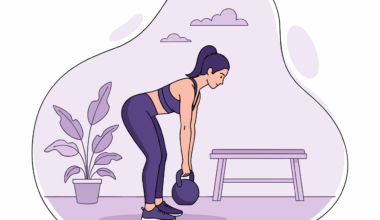

Combining Cardio with Upper Body Strength Training at Home
Integrating cardio with upper body strength workouts is highly beneficial for fitness enthusiasts. It helps improve overall cardiovascular health while building muscle strength and endurance. When combined, these two forms of exercise can enhance metabolism significantly. Furthermore, it aids in developing a well-rounded fitness routine that targets multiple muscle groups. Not only does this combination improve physical strength, but it also elevates the heart rate, contributing to better calorie burn. Designing a workout routine that combines both elements can keep the sessions exciting and effective. Consider selecting exercises that challenge the upper body and elevate the heart rate, such as push-ups or dumbbell exercises followed by jumping jacks. Always ensure proper form to prevent injuries, especially when weight lifting. Additionally, this approach allows for flexibility in workout schedules, accommodating different fitness levels and preferences. Moreover, incorporating rest intervals between exercises can further optimize results, providing muscle recovery while maintaining a good heart rate. With proper planning, it’s easy to create an effective and engaging home workout plan that juggles both aspects effectively.
The Benefits of Upper Body Strength
Strength training for the upper body is crucial for various reasons. It not only helps in enhancing muscle endurance but also supports better posture, leading to fewer injuries over time. Strengthening the upper body contributes to daily tasks such as lifting, pushing, and pulling, making everyday activities easier. Moreover, it plays a vital role in increasing metabolism, which can help manage body weight more efficiently. Besides these benefits, upper body workouts also enhance aesthetic appeal by giving the arms, shoulders, and back a toned look. Regular upper body strength training builds stronger muscles and helps prevent age-related muscle loss, known as sarcopenia, making it essential for older adults. Furthermore, exercises targeting the upper body can also lead to improved athletic performance in sports that require upper body strength. Utilizing tools like resistance bands or dumbbells at home makes it convenient to perform varied upper body exercises without expensive gym memberships. Structuring your workout with specific goals in mind will greatly improve your results. Therefore, integrating upper body strength training into your routine is advisable for overall health and physical well-being.
Cardio exercises are vital for heart health and overall fitness. While combining them with upper body strength training, it is essential to select specific cardio movements that engage the upper body. Exercises such as rowing or battle ropes provide a dual benefit by working multiple muscle groups while elevating the heart rate. Furthermore, interval training is a popular method to pair strength and cardio, promoting explosiveness and endurance. For instance, you can perform a set of push-ups followed by a sprint on the spot. This method keeps the body challenged and continuously burns calories. In addition, engaging in steady-state cardio, like cycling or brisk walking, also complements strength training sessions. This balance creates a workout that is not only efficient but also enjoyable. Utilizing apps or online platforms can help track your progress and adjust your routines as needed. Accountability is vital, so consider finding a workout buddy to stay motivated. Remember, proper nutrition is also key when engaging in these combined workouts. Consuming adequate protein aids muscle recovery, allowing the muscles to rebuild stronger, facilitating consistent workout progression.
Creating an Effective Home Workout Plan
When planning a combined cardio and upper body strength workout, structure is crucial. Begin with a warm-up to prepare the body for exercise routines. Focus on dynamic stretching, which improves flexibility and circulation. After the warm-up, design a circuit that alternates between strength exercises targeting the upper body and cardio elements. For example, you could integrate push-ups, tricep dips, and dumbbell rows with jumping jacks, burpees, or high knees into your circuit. This variation keeps workouts dynamic and engaging. Additionally, keep workout durations varied to prevent monotony. Consider 30 seconds of strength followed by 30 seconds of cardio, repeating for multiple rounds. Paying attention to your rest intervals is also essential as this can improve overall performance. Keeping hydrated during workouts is vital to ensure optimal performance. Post-workout, include a cooldown period to facilitate recovery. This can consist of static stretches specifically focused on the upper body. Regularly changing your routine can prevent adaptation, promoting continual progress. Set specific goals for your workouts, and track your achievements to maintain motivation throughout your fitness journey.
Using minimal equipment at home makes it easy to perform workouts efficiently. A set of dumbbells, resistance bands, and a mat are ideal for engaging in effective upper body strength training. Each piece of equipment can be used in various exercises, ensuring versatility in your workout sessions. Resistance bands, in particular, allow for increased tension and resistance, thereby enhancing muscle engagement. These tools can easily be incorporated into both strength and cardio exercises. For example, performing high pulls with bands can combine resistance training with movements that get your heart rate up. Consider utilizing everyday objects like a water bottle or backpack filled with books for added weight during strength workouts. In addition to traditional exercises, bodyweight movements such as push-ups, shoulder taps, and planks can create an effective strength workout without needing gym equipment. Furthermore, online resources abound with guided workouts available for at-home routines, offering ideas and variations to keep workouts fresh. Mixing up workouts enhances results and makes training enjoyable while effectively combining both cardio and strength elements into a comprehensive home fitness plan.
Monitoring Progress and Staying Motivated
Tracking your progress during home workouts is essential for maintaining motivation. Utilize fitness apps to log workouts and monitor your achievements over time, noting improvements in strength and endurance. Set clear and attainable goals to keep you focused, whether it’s performing more repetitions or increasing weight. Positive reinforcement is beneficial, celebrating milestones to encourage continuity. Additionally, consider creating a weekly schedule for workouts to establish a disciplined routine that balances cardio and upper body strength training. Consistency is key to progressing and adapting to new challenges. Establishing a community, whether through online forums or social media, can provide additional inspiration and support. Connecting with others who share your interests can lead to valuable tips and motivation during challenging sessions. Posting your progress can also keep you accountable. Be flexible with your goals; this allows adaptation if necessary, especially in response to how your body feels. Remaining engaged with workouts by trying out new variations or challenges can further enhance your journey. Ultimately, the most critical aspect is to enjoy your fitness routine and find fulfillment in every step.
Combining cardio and upper body strength training is an effective way to create a holistic workout regimen. The advantages are multifaceted, including improved cardiovascular health, increased muscle strength, better flexibility, and efficient calorie burn. Ultimately, the blend of these exercises ensures comprehensive fitness that promotes a healthier lifestyle. Remember that balancing both aspects provides diverse workout experiences that prevent boredom, keeping you engaged in fitness endeavors. Regularly assessing your fitness plan is crucial, ensuring it aligns with your evolving goals and capabilities. Consistently implementing variations also enhances engagement, and over time, allows for measurable progress. Ultimately, everyone’s fitness journey is uniquely theirs, and adapting routines to individual needs is paramount. Embrace the challenge and celebrate the small victories along the way, as each step contributes to your overall health and fitness achievements. No matter your current level, beginning with simple exercises and gradually increasing intensity can lead to significant improvements. Finally, enjoy your training sessions, ensuring they are both fun and productive as you work towards your fitness goals.