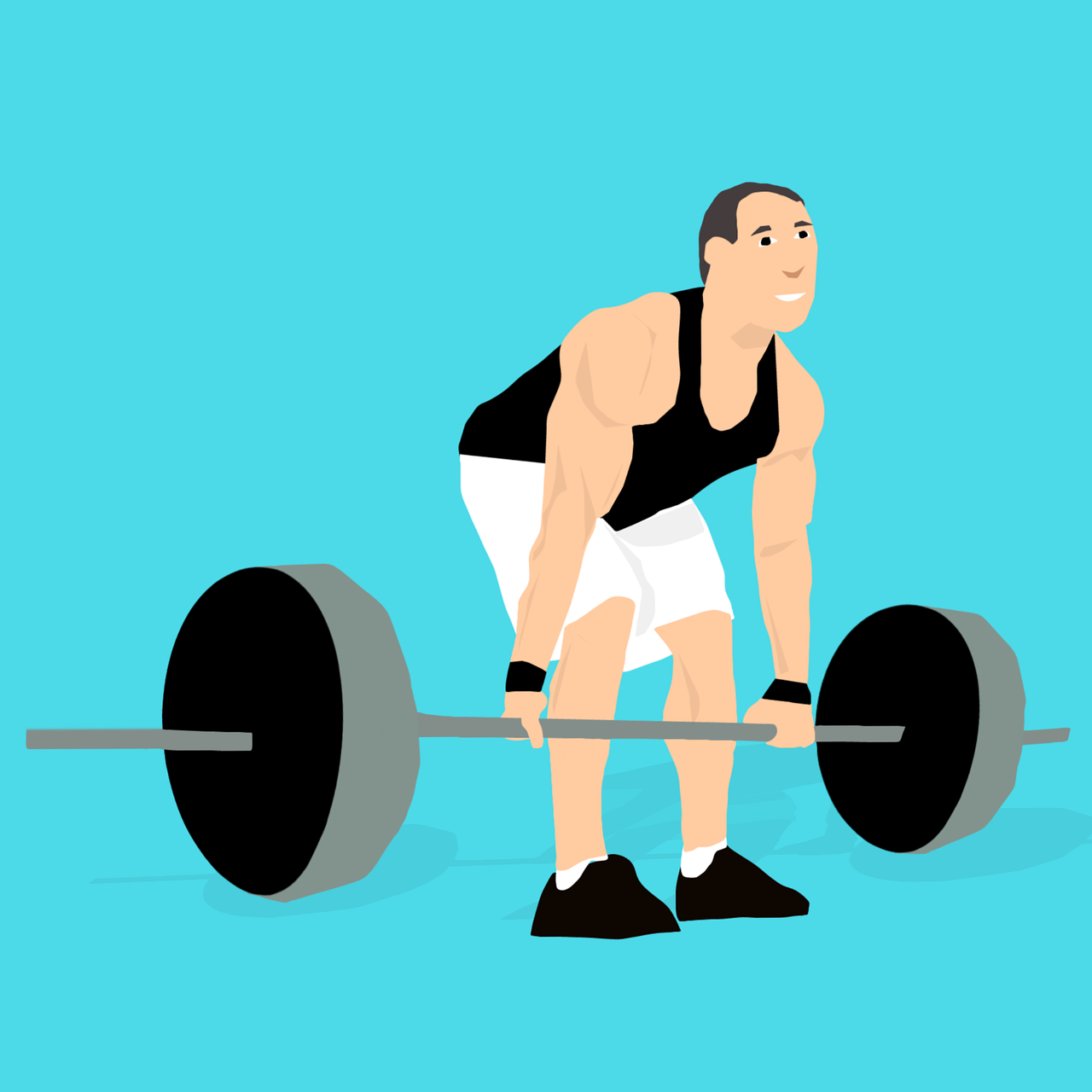

Building Strength for the Clean: Best Accessory Exercises
When it comes to enhancing the clean and jerk, strength training plays a vital role, particularly through accessory exercises. Focusing on accessory work can greatly contribute to building strength specifically needed for the clean phase of this Olympic lift. Incorporating accessory exercises into your training regimen can help in improving muscle activation, coordination, and overall power, providing a solid foundation for your clean technique. One major benefit of these exercises is that they address muscle imbalances. Typically, weightlifters develop strength primarily in specific areas, potentially leading to weaknesses elsewhere. Therefore, adding some variety to your workout routine is essential. Some effective exercises include front squats, overhead presses, and power cleans, which target the musculature involved in the clean. In addition to building strength, they also reinforce proper mechanics. Such exercises can help refine your technique and ensure your body moves efficiently during the clean. A well-structured program that integrates accessory exercises not only boosts your strength but can also increase your confidence in performing the lift.
For optimal results, it is crucial to select the most effective accessory exercises tailored to your specific needs. One commonly recommended exercise is the front squat, which emphasizes the quads and core stability. Front squats not only improve strength, but they also closely mimic the upright posture required during the clean. Adding weight or increasing the resistance gradually will allow you to challenge your muscles consistently. Additionally, the overhead press is another essential accessory exercise that targets the shoulders and triceps. Strong shoulders are vital for receiving the barbell during the clean. Muscle groups involved in this lift must be well-prepared to withstand the load. Perform these presses with proper form, focusing on a straight bar path. Progressively increasing your weights can significantly enhance your maximum strength and stability during the lift. Also beneficial is the power clean exercise, which complements your clean by developing explosiveness and timing. This dynamic movement improves your ability to quickly extend your hips and knees while pulling the bar to your shoulders. These variations will contribute significantly to your progression and overall performance in the clean and jerk.
Upper Body Strengthening Techniques
Integrating upper body exercises into your routine can greatly enhance your clean performance. Exercises such as push presses help effectively develop shoulder and tricep strength while keeping core stability intact. The push press mimics the explosive movement needed to drive the bar overhead during the clean. Similar to the overhead press, the push press builds necessary strength for the receiving phase of a clean. Incorporating these exercises alongside pull-ups and bent-over rows significantly ensures balanced development across all major muscle groups. It is also essential to work on grip strength, which is often overlooked but crucial for successful cleans. Training grip can be done through various methods, including using a thick bar or the use of towel hangs. These exercises can help enhance overall grip strength and increase control while lifting heavier weights. Additionally, consider integrating banded resistance training, which allows for improving power and speed specific to the clean movement pattern. This variation progressively overloads the muscles, leading to increased gains in strength and proficiency in the clean. Consistently adding these exercises will yield improvements in your performance with the clean and jerk.
Another remarkable aspect of accessory exercises is their role in enhancing mobility. Improved mobility is integral for the clean movement, particularly for proper positioning and receiving the bar at the correct angles. Stretching and flexibility routines focused on the hips, shoulders, and ankles play a crucial role. Consider dynamic stretches such as leg swings, arm circles, and hip openers to prepare your body. Engaging in regular mobility work will not only facilitate better movement patterns but also minimize the risk of injury during heavy lifts. Yoga or pilates can also be beneficial, as they encourage balance and flexibility. Including snatch balances can improve both strength and overhead positioning. This exercise emphasizes the need for coordination and balance, allowing weightlifters to feel more comfortable during the clean. It is important to prioritize these movements in your training schedule to enhance your overall lift performance. Establish a routine that incorporates mobility work to keep your body flexible. As you progress and build strength, the combination of rigorous accessory training and mobility routines will significantly contribute to improving your clean technique.
Programming Considerations
When programming accessory exercises into your training routine, pay attention to the volume, frequency, and intensity to align with your goals. It is crucial to strike a balance between accessory work and your main lifts. Ensure you allocate sufficient time for recovery between sessions as well. For instance, dedicating one or two training sessions a week for accessory work can be effective, allowing you to focus on developing those specific muscle groups without compromising recovery. As a general guideline, performing three to four sets of six to eight repetitions is ideal for building strength. Always prioritize form over the amount of weight used to ensure proper technique and prevent injuries. Periodic deloads, where you reduce intensity or volume, are equally important for long-term progress and preventing overtraining. Additionally, consider cycling accessory exercises every few weeks to maintain variety in your program, keeping your training fresh and stimulating. As you adapt to the demands of these exercises, remember to track your progress and modify weights as needed. This disciplined approach will lead to steady, sustainable improvements over time.
Incorporating plyometric training as part of your accessory work can provide benefits too. Explosive movements, like box jumps or plyometric push-ups, can increase your ability to generate power quickly, which is essential for the clean. These exercises improve speed and strength while enhancing your overall athleticism. Always ensure your technique remains intact while performing these explosive movements to avoid injuries. Gradually incorporate more demanding plyometric exercises as you become proficient. Additionally, core stability is indispensable for weightlifting, as it supports a strong lifting posture. Accessory exercises such as planks, Russian twists, and weighted sit-ups help build core strength. Without a solid foundation, the risk of injury is elevated, especially during heavy lifts. Therefore, prioritize exercises that promote core engagement during your clean and jerk workouts. Finishing your training with cooldown stretches is equally essential, aiding recovery and flexibility. Transitioning the focus to recovery will ensure the effectiveness of your training while reinforcing proper muscle function. Consistent practice of diverse accessory exercises emphasizes strength and versatility for cleaner lifts.
Conclusion
In conclusion, accessory exercises play a key role in building strength for successful cleans, enhancing both performance and stability. Adopting a structured approach, integrating various exercise types, and focusing on correct techniques enables weightlifters to reach their full potential. By addressing weaknesses and developing balanced muscle engagement, you will create a solid foundation for your lifting career. Continually evaluate your performance and consider how these accessory exercises contribute to your overall clean and jerk success. It is also valuable to seek guidance from experienced coaches or trainers who can provide personalized feedback and advice based on your unique strengths and weaknesses. Remember, consistency is vital. Monitoring your progress and adjusting your workouts as needed ensures that you continue making gains in your clean technique. As you commit to these accessory exercises, the results will manifest in improved lifts, increased strength, and enhanced confidence. Finally, enjoy the journey of becoming a stronger lifter and celebrate your achievements, both big and small, as you advance through your weightlifting career.