
Breathing Techniques to Improve Sleep and Relaxation
As stress and anxiety levels rise in everyday life, effective sleeping methods are critical for maintaining health. Learning how to breathe correctly can lead to significant improvements in sleep quality. Breathing techniques, when practiced regularly, can help calm the mind and promote relaxation. For many, the struggle to find a comfortable sleeping position is daunting. With the consistent practice of specialized breathing exercises, you can ground yourself mentally and focus on letting go of the day’s worries. This blog post explores the deep connection between breathing patterns and sleep quality, especially how they can induce relaxation. Deep breathing is effective as it activates the body’s parasympathetic nervous system, promoting calmness. Integrating breathing techniques into your evening routine can set the stage for a more refreshing sleep experience. As we explore various breathing methods, we aim to show you how easy it is to invite peace into your life using simple techniques. Regular practice can dramatically reduce the time taken to fall asleep. So, let’s delve into different strategies and explore their potential benefits for enhancing sleep and recovery.
One of the most beneficial breathing techniques for reducing stress is the 4-7-8 technique. This method involves inhaling for a count of four, holding your breath for seven seconds, and exhaling for eight seconds. This rhythm slows the heart rate and reduces anxiety. To practice, find a quiet space and sit comfortably. Inhale deeply through your nose for four counts, hold the breath for seven counts, and then exhale slowly through your mouth for eight counts. Repeat this cycle four or more times to feel its calming effects. It’s critical to maintain focus during this breathing exercise. If your mind starts to wander, gently bring your focus back to your breath. Practicing this technique regularly can significantly enhance your ability to relax at night. Additionally, try to utilize this while in bed to condition your mind to associate the technique with sleep. By establishing a routine, you signal to your body that it’s time to unwind. Over time, this can lead to quicker relaxation and improved sleep efficiency, following the technique consistently before bedtime.
Pursed Lip Breathing for Better Relaxation
Pursed lip breathing is another effective approach to manage sleep challenges. This technique allows for smoother breathing and reduces shortness of breath, which can hinder relaxation. To perform this technique, inhale slowly through your nose for two counts, then purse your lips as if you’re about to whistle. Exhale slowly and gently through your pursed lips for four counts. This method not only calms you down but also helps expel more air from your lungs, which promotes a sense of relaxation. It’s particularly beneficial for individuals with anxiety or those who frequently wake up during the night. Have patience while practicing, as the effectiveness increases with time. Make it part of your evening routine, preferably after your 4-7-8 exercises. As your mastery improves, you’ll find that it becomes an automatic response to stress. The calmness achieved through this technique is vital for preparing your body for the restful sleep it desperately needs. Incorporating these breathing methods can lead to improved overall health benefits as well.
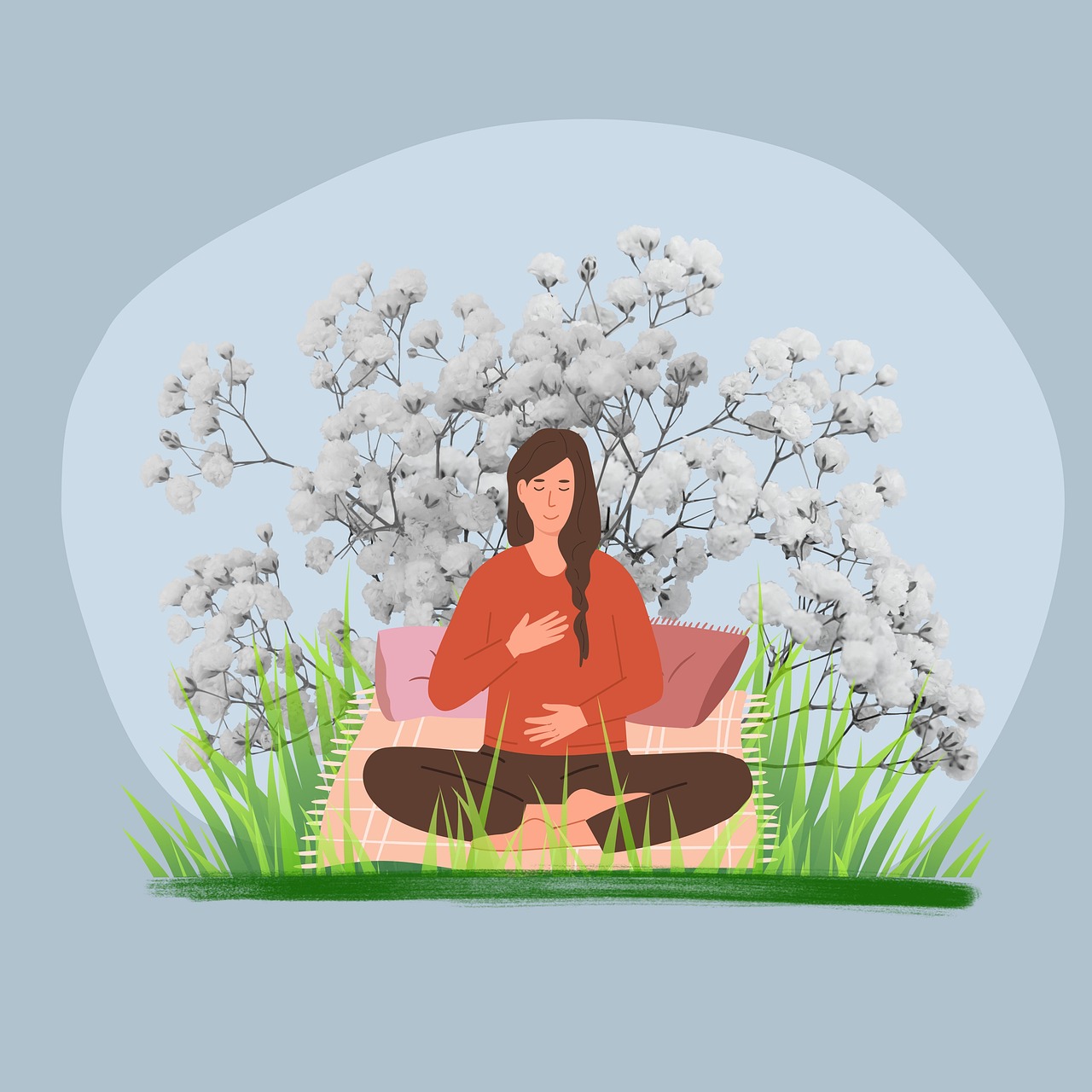
Another powerful technique is diaphragmatic breathing, which focuses on strengthening your diaphragm and promoting deeper, more efficient breathing. As you practice this method, you’ll engage your core muscles and allow your lungs to fill more completely with air. Begin by lying flat on your back with your knees bent. Place a pillow under your head for comfort. Place one hand on your chest and the other on your abdomen. Inhale deeply through your nose, ensuring that only your abdomen rises; your chest should remain relatively still. Hold your breath briefly and then exhale slowly through your mouth. As you exhale, feel your abdomen contract. This technique not only relaxes but also oxygenates your body better than shallow chest breathing, which can be common during anxious moments. By practicing diaphragmatic breathing, you can significantly regulate your stress levels and encourage a peaceful mindset before sleep. Repeating this routine nightly can result in a noticeable enhancement in sleep quality.
Box Breathing for Stress Management
Box breathing is yet another method that can contribute to reducing anxiety, promoting relaxation, and enhancing sleep patterns. This technique involves a four-count cycle, emulating a square shape. To practice box breathing, begin by inhaling for a count of four, holding the breath for four counts, exhaling for four counts, and then pausing for another four counts before starting over. This structured rhythmic pattern helps focus your mind, interrupting the cycle of racing thoughts. Benefits comprise a noticeable reduction in tension and an increase in mental clarity. You might find practicing box breathing immediately before bed particularly soothing. It not only helps in relaxing your muscles but also clears your mind of worries. Set aside a few minutes each night to engage in box breathing. Given its simplicity, it can easily fit into any evening routine. Over time, the practice can condition your body to relax and sleep better. Try to blend this method with other breathing techniques for a comprehensive approach to improving your sleep. Ultimately, it’s about finding what resonates with you.
Some people find that listening to calm music or nature sounds while practicing their breathing techniques enhances their relaxation. Integrating ambient sounds during your breathing exercises can create a peaceful environment conducive to sleep. Soft background music can further lower stress levels and help the mind transition into a restful state. Consider creating a playlist of your favorite soothing melodies, or utilize calming sound applications available today. The combination of sound and intentional breathing allows you to cultivate a sanctuary that promotes peace. This combo becomes a signal to your body that it’s time to unwind. Developing a calming ritual that incorporates both breathing techniques and soothing background noise can lead to quicker sleep onset. Explore various soundscapes to discover which resonates most with your relaxation preferences. Experimenting with different types of music can bring about certain emotions, further enhancing your sleeping environment. The goal is to find the blend of sound that encourages relaxation, reinforcing a positive habit that enhances sleep quality. As a result, these small adjustments can lead to significant changes in your overall sleep health.
Conclusion: Establishing Your Sleep Routine
In conclusion, breathing techniques can serve as powerful tools for enhancing sleep and promoting recovery. By embracing methods such as 4-7-8, pursed lip breathing, diaphragmatic breathing, and box breathing, you can transform your nightly routine. Focusing on your breath directs attention away from daily stressors, allowing you to cultivate a habit of calming mindfulness before bed. As these practices become second nature, you will likely find your overall sleep patterns improve dramatically. This deliberate focus on breathing not only aids in relaxation but can also provide long-term health benefits, including reduced anxiety levels and better heart health. As everyone responds differently to stress and sleep disturbances, it’s essential to tailor techniques that resonate with your individual needs. Remember to create a calming environment, free of distractions, to fully engage with these techniques. Consistency is key; make a commitment to practice regularly, and you’ll be surprised by the improvements you may experience. Enhancing your sleep is pivotal for better health, and adopting these techniques could be the change you’ve been looking for.