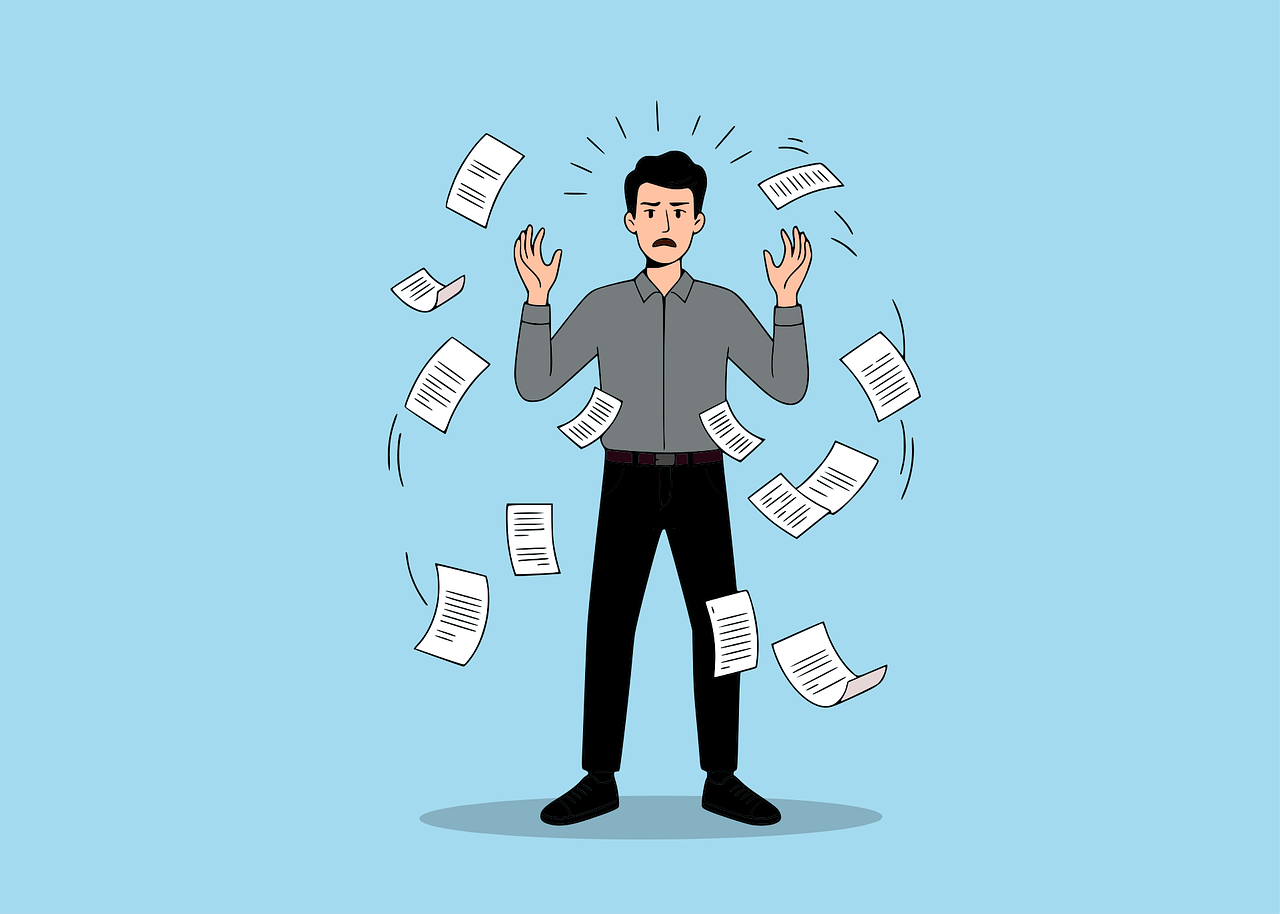

A Comprehensive Review of the Best Stress Relief Apps in 2024
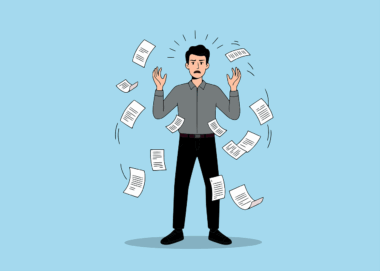
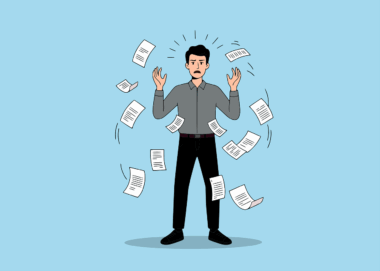
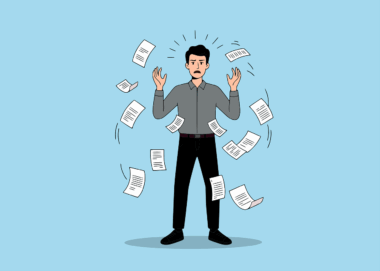
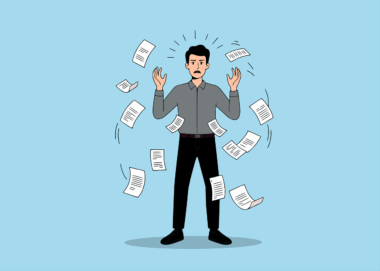
In today’s fast-paced world, managing stress effectively is more critical than ever. The rise of technology has led to the development of numerous stress management apps designed to provide relief and resources for users. These applications utilize features like guided meditation, mood tracking, and breathing exercises to assist individuals in reducing stress levels. As we explore the top options in 2024, it’s essential to consider the unique benefits each app offers. Different users have varying needs, so we will cover a range of apps that cater to those requirements. Whether you’re seeking mindfulness practices or quick stress relievers, there’s an app for you. This review aims to help you identify which apps make the most significant impact on stress relief, ensuring a better quality of life. Ultimately, the right app can help you cultivate better habits that promote emotional well-being. By integrating technology into personal care, we can find effective ways to manage stress while balancing our daily responsibilities, leading to a more peaceful and enjoyable life.
Top Features of Effective Stress Management Apps
When examining stress management apps, certain features stand out and can significantly enhance user experience and effectiveness. A few must-have attributes include personalized content, user-friendly interfaces, and comprehensive tracking capabilities. Personalized content allows users to tailor their stress management practices according to their needs and preferences. For instance, guided meditations and relaxation techniques can be customized based on individual stress triggers and goals. User-friendly interfaces ensure that even those unfamiliar with technology can navigate the app with ease, minimizing frustration. Comprehensive tracking capabilities empower users by monitoring their progress over time, such as mood variations and stress levels, fostering insight into patterns or triggers that might require attention. Additionally, social features like community forums offer an essential support network for users to share experiences and strategies. The combination of these features allows apps to deliver an interactive and engaging experience, ultimately supporting individuals in their journey toward stress relief and improved mental health. Apps today strive to incorporate both scientific research on stress reduction and user preferences to maximize their value.
For individuals looking for effective stress management, meditation apps are increasingly popular. These applications offer guided sessions, ranging from just a few minutes to longer, deep-dive experiences. Some well-known options include Calm and Headspace, both of which provide extensive libraries of meditative practices tailored to various stress levels and needs. Calm’s soothing visuals and sounds create an environment conducive to relaxation, while Headspace focuses on short, informative sessions to help users integrate mindfulness into their daily routines. Furthermore, as new studies emerge supporting the efficacy of meditation in stress reduction, many other apps are beginning to incorporate evidence-based practices into their content. By promoting mindfulness, these applications empower users to be present in the moment, allowing their minds to rest. Moreover, meditation can result in improved focus and mental clarity. Users have reported experiencing less anxiety and greater emotional resilience after consistent practice. Consequently, using meditation apps becomes a valuable addition to a stress management toolkit, promoting overall well-being in daily life.
Tracking Mood and Stress Levels
Many stress management apps that focus on mood tracking offer valuable insights into users’ emotions over time. By recording daily feelings and experiences, users can identify trends that may trigger stress or anxiety. Apps like Daylio and Moodfit allow individuals to log their moods, enabling them to correlate specific activities or events with their emotional states. These reflective practices help users recognize patterns that might otherwise go unnoticed, paving the way for improved stress management strategies. Additionally, real-time feedback from these mood trackers can provide users with reinforcement or warnings when they enter periods of heightened stress. Such awareness serves as a powerful tool for proactive coping. Many of these apps also integrate resources like coping strategies and breathing exercises based on recorded moods, allowing users to address their feelings immediately. This self-awareness fosters greater emotional intelligence, encouraging individuals to make informed choices about their well-being. Using these insights effectively can empower users to take actionable steps toward reducing stress and enhancing their overall quality of life.
Another notable category of stress management apps focuses on relaxation techniques, including deep breathing exercises and mindfulness practices. Applications like Breathe and Insight Timer are excellent choices for individuals seeking calming activities to alleviate stress. Breathe guides users through slow, controlled inhalations and exhalations to help reduce anxiety and promote relaxation. Users often find that incorporating these sessions into their daily routine can lead to noticeable improvements in their mental well-being. Similarly, Insight Timer offers a range of free guided meditations and relaxation exercises, as well as community resources that encourage connection among users. Engaging with like-minded individuals can also foster a sense of belonging and support during challenging times. Engaging in relaxation exercises can enhance the overall effectiveness of stress management efforts. Moreover, many of these applications can be highly customizable, enabling users to choose the type or duration of exercises they prefer. These features contribute to creating a personalized environment where users can evolve their strategies based on their needs as they progress in their stress management journey.
Integrating Physical Activity
Physical activity is another essential aspect of effective stress management, and various apps focus on this element. Integrating workout routines into a stress relief plan can significantly impact mental health. Platforms like FitOn and Nike Training Club offer diverse workout plans catering to different preferences and fitness levels. These apps not only help users engage in physical exercise but also emphasize the mental benefits associated with staying active. Research indicates that regular physical activity can reduce stress and anxiety levels, improve mood, and enhance overall well-being. Users can select from yoga, strength training, cardio, or guided workouts depending on their preferences and fitness goals. Incorporating movement into daily routines through these apps fosters a holistic approach to stress management. Furthermore, many fitness apps offer social features, allowing users to connect with friends and share their fitness journeys, elevating motivation and accountability. Staying active can become a vital and enjoyable part of an individual’s stress management toolbox, supporting a well-rounded approach to maintaining mental health and resilience.
Finally, several stress management apps offer resources for building resilience and coping with life challenges. Resilience apps like Happify and Sanvello provide users with research-backed techniques and exercises designed to improve emotional well-being. Happify focuses on interactive activities and games, encouraging users to practice positive psychology principles through engaging challenges. Sanvello combines CBT (Cognitive Behavioral Therapy) techniques with goal tracking and community support. By working through exercises and sharing experiences, users cultivate resilience and coping skills necessary for managing stress effectively. These apps also provide a safe space for users to explore their emotions while gaining access to expert resources. This robust integration of evidence-based practices allows individuals to develop a deeper understanding of their emotional triggers and reinforce healthy habits over time. Engaging with these tools can empower users to face challenges with greater confidence and adaptability. Ultimately, resilience-building apps are key components of a comprehensive stress management plan, promoting psychological growth and better overall mental health.
Final Thoughts and Recommendations
As we review the best stress management apps in 2024, it’s essential to recognize the power of technology in supporting mental health. With numerous options available, users can explore various tools to find the ones that resonate with their preferences and lifestyles. Whether utilizing meditation, mood tracking, physical activity, or resilience-building techniques, these apps offer valuable resources for promoting emotional well-being. When selecting an app, consider user reviews, usability, and specific features that align with your stress management goals. Taking the time to discover which methods work best for you will ultimately lead to improved mental health. The journey toward stress reduction is personal, and leveraging the right tools will enhance that experience. While technology can provide a host of aids, it’s essential to also engage in offline practices such as socialization and self-care routines. Ultimately, by incorporating effective apps into your routine and exploring other stress management techniques, you can cultivate a healthier, more balanced lifestyle. So go ahead, download an app, and begin your journey to effective stress relief today!