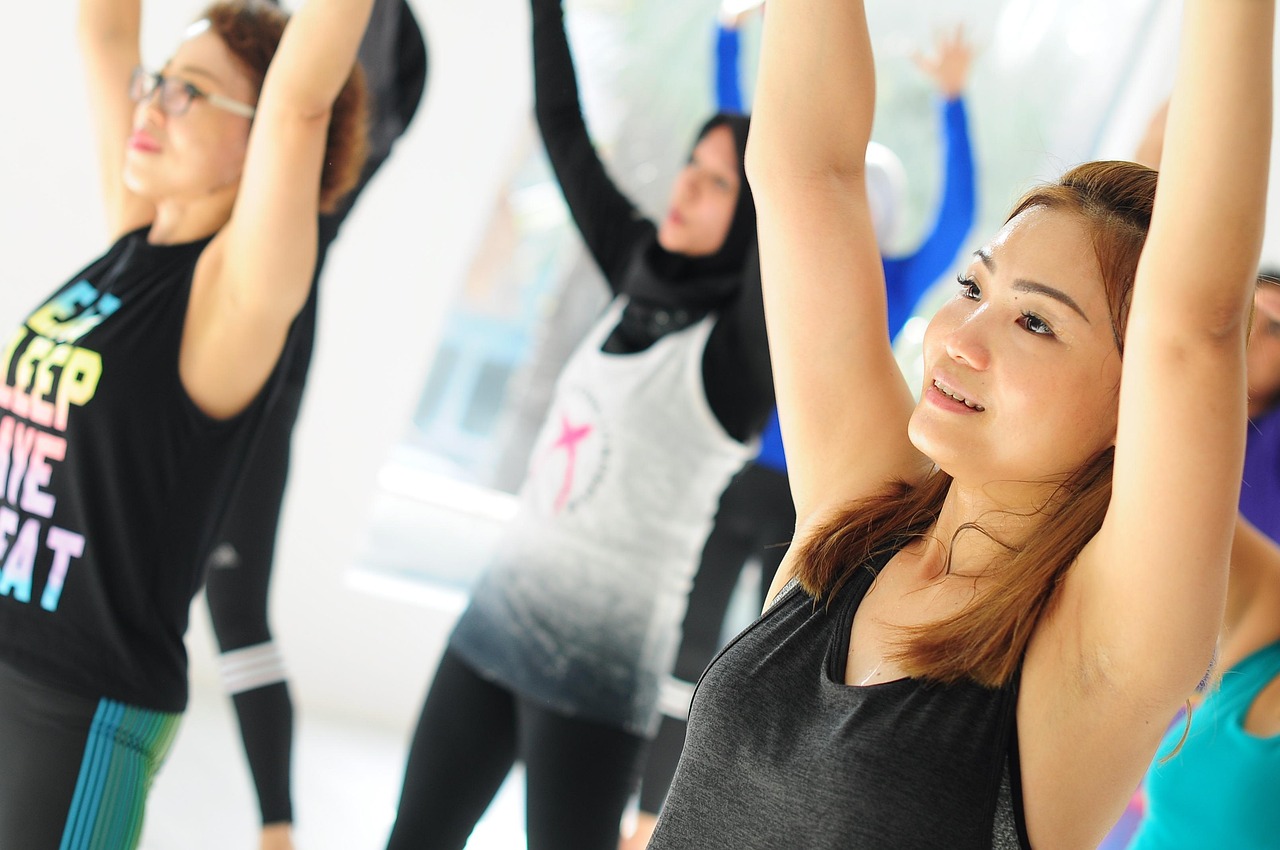

The Role of Group Dynamics in Bootcamp Classes
Bootcamp training is a popular group fitness activity that has evolved significantly in recent years. These classes combine various high-intensity exercises that require participants to perform together in a structured environment. The unique nature of bootcamp classes fosters a sense of community that is essential for motivation and performance. When individuals train together, they experience shared energy and support, which can enhance their commitment to the class. This communal aspect is crucial in fitness, as it can lead to the establishment of friendships and a supportive network. The interaction among participants becomes a driving force that pushes them to reach their goals. Consequently, establishing positive group dynamics within bootcamp classes helps elevate performance and creates a fun atmosphere. Enhanced motivation often arises during shared workouts when individuals work side by side, striving to achieve personal bests. Additionally, participants are motivated by peers, which drives them to push their boundaries. Individual goals become intertwined with group progress, leading to increased perseverance and commitment to succeeding, even when the workout intensity challenges individual limits.
The positive reinforcement found in group settings is paramount for individuals in bootcamp classes. Participants often find it easier to take on challenging exercises when they are surrounded by others pushing themselves equally hard. Social dynamics play a crucial role in creating an encouraging environment, where each member can uplift one another. When individuals feel that they are part of a larger community, their fear of failure diminishes significantly. The camaraderie in group fitness fosters accountability; individuals are less likely to skip classes when they know their peers are expecting them. This level of accountability enhances the overall class retention rates. Sharing achievements, whether big or small, bolsters group morale and encourages continued effort. Establishing a non-judgmental space allows participants to express their vulnerabilities comfortably. Bootcamp instructors can facilitate this supportive atmosphere by guiding group interactions, providing constructive feedback, and creating challenging yet achievable goals. This not only boosts individual performance but also strengthens the group’s overall bond, allowing them to celebrate successes together as a unit. Consequently, the motivational elements blend seamlessly into personal and collective achievements.
The Importance of Communication
Effective communication within a bootcamp class is crucial for fostering group dynamics. It is essential for instructors to communicate clear expectations during training to ensure all participants are aligned. This falls into both verbal and non-verbal communication, impacting how exercises are performed and how feedback is given. Encouraging participants to provide feedback to each other can enhance relationships and foster trust. Furthermore, establishing open lines of communication makes it easier for participants to express concerns or struggles regarding their fitness. This permits instructors to adapt workouts to meet the needs of the group and address individual challenges. As a result, this tailored approach can lead to improved experiences for everyone involved. In turn, this level of engagement ensures that classes remain inclusive and participants feel safe. When individuals feel heard and supported, group flow is enhanced. This leads to improved workout outcomes, as workouts become more enjoyable and effective. Communication also fosters a sense of belonging. Participants appreciate knowing their input matters, leading to stronger results and satisfaction during classes. Clearly communicated goals and expectations contribute significantly to an overall positive experience.
Another key aspect of group dynamics in bootcamp classes is competition. Healthy competition sparks motivation and encourages participants to push their individual limits. When participants witness others achieving their objectives, it can ignite an internal desire to reach similar milestones. This competitive spirit can elevate performance levels and enhance overall class engagement. However, it is crucial that this competition remains friendly and supportive to prevent negative feelings among participants. Instructors can skillfully manage competitiveness, ensuring it serves as a positive driving factor for all. Encouraging participants to support one another often leads to friendships and collaborations that extend beyond the gym. Many individuals find celebrating others’ success can lead to personal motivation rather than feelings of jealousy. When participants cheer for each other, it reinforces group bonds and enhances satisfaction. Additionally, introducing fun challenges in bootcamp classes can promote healthy rivalry while keeping the environment light-hearted and enjoyable. As individuals strive to one-up one another in a friendly competition, they often surprise themselves by attaining goals they thought were unachievable. This combination of competition and support creates a transformative environment conducive to growth.
Creating Shared Goals
Setting shared goals within bootcamp classes can significantly impact the group dynamics experienced by participants. When everyone is working towards a common objective, regardless of individual fitness levels, motivation levels soar. These collective goals can range from improving cardiovascular endurance to mastering challenging exercises. When group members set these goals together, they strengthen their relationships and boost accountability. Each member feels invested in the group’s success, leading them to encourage one another during workouts actively. Creating shared goals also allows the group to celebrate milestones together, making accomplishments more meaningful. Instructors play a vital role in facilitating this process, guiding goal-setting discussions and helping to frame objectives that resonate with all participants. The excitement surrounding collective goals can create an atmosphere where everyone is eager to motivate one another and contribute to the team environment. Furthermore, collectively accomplishing goals strengthens group identity, fostering community support. Ultimately, this surge in morale and commitment can lead to increased class attendance and retention rates, as participants become more engaged in their fitness journeys. Creating an environment where everyone thrives fosters a culture of success for all members.
Instructors in bootcamp classes can maximize group dynamics by tailoring their coaching styles to suit the needs of the participants. Different groups may require varying levels of guidance, support, and encouragement. Understanding the participants’ fitness levels and personalities is essential for effective coaching. Instructors can foster relationship-building that is crucial for creating a supportive environment. Emphasizing community rather than competition helps cultivate camaraderie, which can lead to improved performance. Instructors should also actively engage with class participants, including social interactions at the beginning of sessions. This dynamic approach helps build stronger connections, as members feel valued when instructors learn their names and goals. Additionally, providing specific feedback can enhance participants’ confidence and accelerate their progress. Instructors can also utilize motivational techniques, including highlighting achievements and encouraging peer interactions. This supportive environment nurtures resilience in the face of challenges. Promoting a culture of feedback allows participants to share their experiences and perspectives. Creating an inclusive experience makes it apparent that each individual’s contribution is valued. This creates a thriving atmosphere where everyone’s voice is important and fosters growth not only at the individual level but also collectively.
Conclusion: The Power of Group Fitness
In conclusion, group dynamics play a pivotal role in the success of bootcamp classes. These dynamics foster motivation, accountability, and the formation of lasting friendships. Instructors can effectively harness these elements to create an environment where participants feel valued, supported, and encouraged. The sense of community developed in bootcamp classes can lead to individuals surpassing personal goals while continuing to engage with the group, ultimately enhancing their fitness journey. Successful bootcamp classes rely on effective communication, shared goals, and tailored coaching methods. Harnessing these elements can redefine group fitness experiences, leading to empowered participants and a strong sense of belonging. As participants push limits alongside one another, they build a network of support, inspiring one another to reach new heights. Each workout becomes a celebration of community and has the power to transform lives. Drive, resilience, and camaraderie blend into a single experience, yielding rewards that extend beyond physical fitness. By recognizing and nurturing group dynamics, bootcamp classes can continue to inspire and engage participants, ensuring they remain an integral part of the fitness landscape.
In bootcamp classes, building connections among diverse participants is essential. Such interactions promote friendships and boost motivation levels. The blend of various fitness levels and personal backgrounds initiates enriching discussions. This diversity creates an environment where members can learn from each other, share techniques, and enhance their overall knowledge about fitness. Emphasizing teamwork during many exercises highlights the importance of collaboration and strategy, allowing groups to achieve their goals together. Additionally, depending on the workout, bonds grow as team members encourage each other while tackling challenges. Connecting with peers increases enjoyment, making workouts less monotonous by sharing experiences while exercising. A strong social network further supports individuals as they navigate their fitness journeys together. These relationships enhance overall well-being and reduce the likelihood of feeling isolated. By participating actively, members not only improve their fitness levels but also cultivate mutual respect and understanding. This sense of belonging is critical to personal growth; hence, overall community engagement contributes positively to bootcamp experiences. Ultimately, strengthening social ties through group interaction ultimately benefits everyone involved, creating a thriving and supportive atmosphere.