
The Impact of Protein Quality on Sports Performance
When it comes to enhancing sports performance, the quality of protein consumed plays a significant role. Not all protein sources are created equal, and various types of proteins can influence strength and endurance differently. High-quality proteins, such as those found in animal products and certain plant sources, contain essential amino acids that are vital for muscle repair and growth. This impacts an athlete’s recovery process significantly. Different protein sources also vary in their digestibility, which ensures that the body can utilize them effectively. For instance, whey protein, derived from milk, has shown faster absorption rates in comparison to casein. Athletes engaged in high-intensity workouts require proteins that promote quick recovery. Therefore, focusing on protein quality becomes essential for optimizing athletic performance. In addition to source quality, timing of protein intake is equally important. Strategic consumption of protein-rich foods post-exercise can lead to better muscle synthesis. While plant-based proteins are increasingly popular, they must be complemented with other amino acid sources to achieve the desired protein quality, ensuring that athletes get the best from their diet. Ultimately, protein quality serves as a key factor.
Incorporating high-quality proteins doesn’t just help in muscle recovery, but also enhances overall physical performance. For athletes, this means examining various protein sources such as meat, dairy products, eggs, and plant-based options like legumes and seeds. Quality proteins provide essential amino acids that the body cannot produce itself. Protein quality is often assessed based on its biological value, amino acid profile, and digestibility. The most beneficial protein sources are those that score high on these criteria. Animal proteins, generally speaking, tend to have a higher score due to their complete amino acid profiles. Meanwhile, well-combined plant proteins can also achieve comparable benefits when consumed correctly. For individuals involved in sports, it’s crucial to assess protein intake needs based on their activity levels and goals. For instance, endurance athletes might require different protein quantities compared to those training for strength. This variation highlights the need for personalized nutrition plans. Additionally, attention should be paid to protein distribution throughout the day, as it influences muscle protein synthesis and supports training adaptations more effectively.
The Different Types of Protein Sources
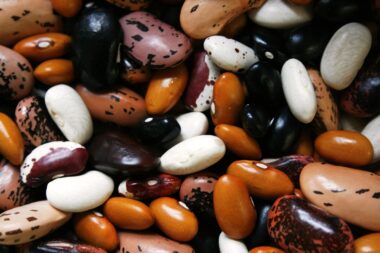
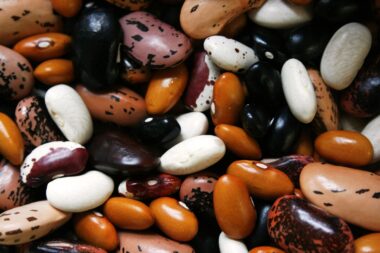
Understanding the different types of protein sources available allows athletes to make informed choices about their nutrition. Animal protein sources, such as beef, chicken, and fish, are known for their high biological value, meaning that they effectively provide all necessary amino acids. These sources are particularly beneficial for athletes engaging in strength training or endurance sports. On the other hand, plant-based proteins, including beans, lentils, and quinoa, are excellent alternatives for vegetarian and vegan athletes. Though these options may lack one or more essential amino acids, combining them can create a complete amino acid profile. For example, pairing rice with beans or hummus with pita provides a full spectrum of amino acids. Additionally, protein powders are increasingly popular among athletes for their convenience. Options like whey, casein, and pea protein offer various benefits based on absorption rates and amino acid profiles. Understanding these differences enables athletes to tailor their protein intake to meet specific needs, ensuring they achieve optimal performance and recovery. Therefore, evaluating both quality and source ensures effective dietary strategies are implemented into training regimens.
Timing and distribution of protein intake are equally essential to maximizing athletic performance. Research suggests that protein should be consumed at regular intervals throughout the day, particularly around training sessions. The ”anabolic window”—the period post-exercise when the body is primed for recovery—highlights the importance of protein consumption shortly after working out. During this time, muscles are more receptive to nutrients, promoting better protein synthesis. Consuming high-quality protein within this window can drastically improve muscle recovery, repair damaged tissues, and enhance overall performance. Additionally, regular consumption of protein at intervals of every three to four hours throughout the day can maintain muscle protein synthesis rates. A well-planned strategy involves incorporating protein in meals and snacks consistently. This might include options such as Greek yogurt, cottage cheese, or protein bars to support athletes’ daily requirements. A diet focused on both quality and timing will significantly influence training adaptations, improvements in performance, and reduction in injury risk. For athletes, optimizing protein intake becomes crucial for effective training and competition preparation.
Conclusion: The Role of Protein Quality in Sports Nutrition
The quality of protein consumed is an essential factor influencing sports nutrition and, by extension, athletic performance. High-quality proteins support muscle recovery and performance enhancement, determining the success of fitness regimens. Athletes should focus on incorporating a variety of protein sources, from animal-based options to well-combined plant proteins, ensuring they achieve optimal intake for their specific needs. Timing and distribution also play critical roles in protein effectiveness, emphasizing the importance of consuming protein-rich foods at strategic intervals. With the correct approach to protein quality, athletes can ensure they are fueling their bodies adequately, improving performance, and expediting recovery. Additionally, understanding individual requirements based on activity type and level can further personalize dietary strategies. In conclusion, thorough knowledge and awareness of protein quality, as well as its implications in sports nutrition, arm athletes with the tools necessary to enhance their performance and overall health. As nutrition science continues to evolve, staying updated on protein-related research can help guide athletes toward making better dietary choices that align with their performance goals.
Monitoring your protein quality and intake not only helps in performance but also promotes overall health. Optimal muscle repair is crucial for long-term athletic success, and adequate protein consumption supports this process. With more athletes and fitness enthusiasts turning to higher protein diets, ensuring that this intake is derived from high-quality sources is paramount. This practice can prevent deficiencies in essential nutrients, reinforce muscle health, and sustain energy levels throughout a workout program. As the landscape of sports nutrition continues to evolve, education on sources and quality can shape more refined dietary approaches. Good quality protein not only fuels physical performance but also supports mental well-being and recovery processes. For athletes seeking peak performance, focusing on nutrient density alongside protein quality may cultivate a more comprehensive health perspective. This includes consideration of the broader nutritional picture, as consuming healthy fats and carbohydrates in conjunction with protein aids in overall recovery and energy management. In this context, protein should be regarded as a key component of a balanced diet, essential for optimal physical functioning and performance.
As you embark on your athletic journey, consider integrating these protein strategies into your daily regimen. Prioritize consuming a mix of high-quality proteins to ensure you meet your unique dietary needs, fostering success in sport and health alike. Staying informed about the nutritional quality of your protein sources can enhance your training outcomes and provide a competitive edge. This focus will allow you to refine your nutrition plan to align with your goals effectively. It may also foster a deeper understanding of how different nutrients contribute to overall performance. Consulting with a sports nutritionist or registered dietitian may provide valuable insights into optimizing protein quality and intake specific to your training objectives. Additionally, maintaining an awareness of industry trends, along with emerging research related to protein quality, can help adapt your nutrition strategy as needed. With a solid foundation based on protein quality, you can confidently perform at your best—supporting muscle gains, recovery processes, and overall athletic performance.