
The Impact of Exercise on Ketone Levels
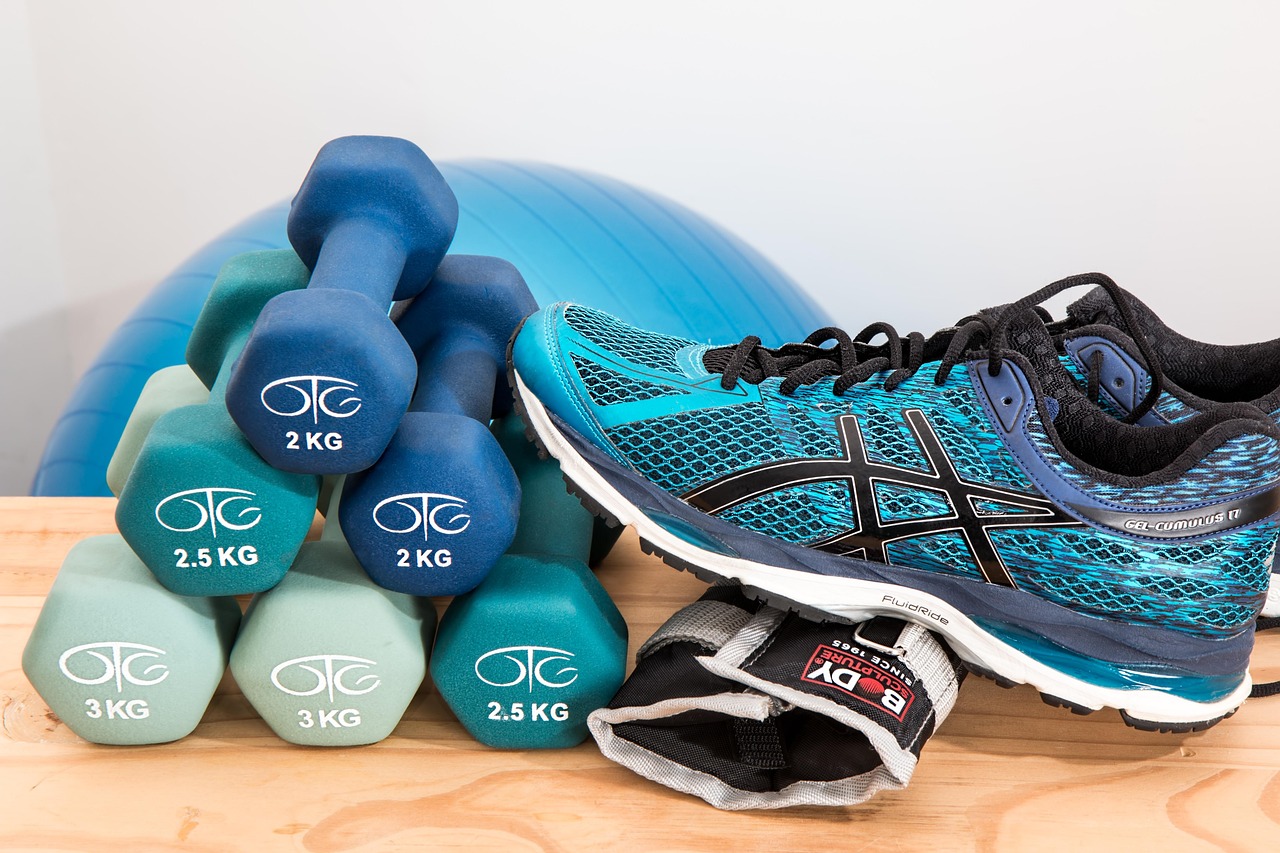
For individuals adhering to keto and low-carb diets, understanding how exercise influences ketone levels is critical. Physical activity is known to induce changes in the body’s metabolic state, specifically by affecting how the body produces ketones. Regular exercise stimulates the muscles to use fat stores for energy, promoting ketosis and helping to elevate subsequent ketone levels. Ketones are produced from the breakdown of fatty acids, and when less carbohydrate is consumed, the body increasingly relies on stored fat. Exercise can further decrease glucose availability, thus promoting ketone utilization. It is essential for individuals to engage in various exercises including aerobic activities, strength training, and high-intensity interval training (HIIT). Each type can have different effects on ketone production. For example, aerobic exercise tends to improve fat oxidation and ketone utilization efficiency. This may result in more significant ketone production over time. Thus, combining proper dietary practices with a consistent exercise regimen can optimize ketosis and overall health. Metabolic flexibility is also improved through exercise, facilitating a better transition between energy sources as needed. This highlights the vital role of fitness within the keto framework.
Exercise also enhances the body’s sensitivity to insulin, which is especially beneficial for those following a low-carb diet. Improved insulin sensitivity helps to better regulate blood sugar levels, aiding in more efficient fat metabolism. For those seeking to monitor ketone levels, keeping track of one’s physical activity is important. Various tools can facilitate this, including fitness trackers or smartphone applications that log workouts. Keeping a diary of daily exercises and dietary habits can assist in pinpointing how different activities affect ketone production. Activities may include walking, running, cycling, or engaging in resistance training. Understanding these connections can help optimize performance and results while on a keto regimen. Moreover, hydration and electrolytes play an essential role in both exercise and ketosis. Staying adequately hydrated aids in nutrient transport and maintaining energy levels during workouts. Additionally, electrolyte balance is crucial for muscle function during intense training. Low-carb diets often shift electrolyte levels, which can lead to cramping or fatigue. Thus, proper nutrition, hydration, and an effective exercise program are necessary for those aiming to enhance their ketone levels and athletic performance.
How Different Exercises Affect Ketone Levels
Different types of exercise can uniquely influence ketone levels in the body. Aerobic exercises, such as jogging or swimming, typically improve fat oxidation over time, helping to generate more ketones. Engaging in long-duration moderate-intensity aerobic exercise is particularly efficient in utilizing fat for fuel, thus elevating ketone production. Weight training or resistance exercises also play a notable role; they help build muscle mass, which can enhance resting metabolic rate. This increase often leads to more efficient fat-burning during both workouts and recovery periods. Furthermore, high-intensity interval training (HIIT) has gained popularity for its effectiveness in burning fat and improving cardiovascular health. HIIT workouts promote excess post-exercise oxygen consumption (EPOC), resulting in increased fat and ketone usage even after the workout is completed. It is important for individuals to find a balance of exercises that they enjoy, as this promotes consistency and long-term success. Incorporating a mix of aerobic exercises, resistance training, and interval training can yield optimal benefits for improving ketone levels while adhering to a keto or low-carb diet.
In addition to the type of exercise performed, the timing of workouts relative to eating can influence ketone levels. Working out in a fasted state, such as before breakfast, can promote higher ketone production. Exercising without consuming carbohydrates prior to workouts encourages the body to tap into fat stores, resulting in increased ketone production. However, post-exercise refueling is equally important to replenish muscle glycogen and support recovery. Consuming healthy fats or protein after workouts can further enhance ketosis. Some studies suggest that consuming an adequate amount of protein after exercise does not hinder ketosis and could improve muscle repair and growth. Overall, being mindful of the timing and nutritional choices surrounding exercise is vital for those on a keto diet. Finding the right balance can help maintain high energy levels, support training goals, and optimize biochemical markers of ketosis. Regular monitoring can empower individuals to adjust strategies and ensure they stay within their desired ketone levels, ultimately improving health results over time as well.
Monitoring Ketone Levels During Exercise
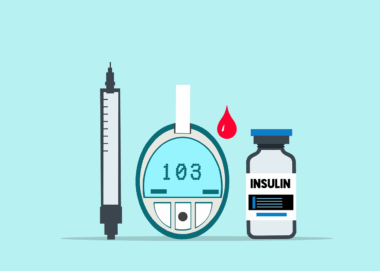
To effectively monitor ketone levels during exercise, individuals can utilize various testing methods to gain insights into their metabolic reactions. The most common forms of ketosis testing include blood, urine, and breath tests. Blood tests typically provide the most accurate and immediate results, allowing users to assess their ketone levels right after workouts. Urine strips can serve as a more cost-effective option, albeit they might not be as reliable in long-term ketosis monitoring. This is generally due to the kidneys excreting less ketones when the body becomes fat-adapted over time. Breath ketone monitors can also be useful, giving a non-invasive look into the body’s ketosis status. Keeping detailed records of ketone levels in relation to different types of exercises and dietary intake can help identify patterns. This data can empower users to fine-tune their exercise regimens and dietary decisions for more optimal ketone levels. By practicing self-monitoring, individuals can adjust their routines as needed, whether this means increasing exercise intensity or modifying dietary intake, ensuring they remain aligned with their health objectives.
When considering the intensity and duration of exercise in relation to ketosis, it is critical to align plans with personal fitness levels and goals. Beginners may need to start with lighter workouts while their bodies adapt to lower carbohydrate intakes. As they progress into ketosis, they may gradually increase their exercise intensity and duration while monitoring their response. Furthermore, incorporating rest days is essential for recovery and sustainable performance. Continuing to exercise without adequate rest may lead to fatigue and burnout, negatively impacting both ketone production and overall health. Listening to one’s body is crucial, especially for individuals experiencing the common phenomena of fatigue during the initial stages of a low-carb diet, also known as the ‘keto flu.’ Prioritizing good sleep, hydration, and proper nutrition can facilitate the transition into sustained ketosis. Additionally, setting realistic and achievable exercise goals fosters a positive mindset. This mindset can encourage individuals to remain committed to their keto journey, making them more likely to find success while enjoying their chosen activities. An effective plan remains adaptable, ensuring participants can maintain both physical health and personal enjoyment.
The Balance of Nutrition and Exercise
The balance between nutrition and exercise is imperative for anyone on a keto or low-carb diet, especially when seeking to maintain ideal ketone levels. Practicing meal timing and nutritional density can optimize energy availability during workouts and recovery periods. Consuming nutrient-rich meals composed of healthy fats, proteins, and low-carb vegetables aids in sustaining energy and promoting well-being. These meals help prepare individuals for exercising while keeping their energy levels stable. Additionally, maintaining electrolyte balance through healthy food choices can support athletic performance while promoting hydration. Foods rich in potassium, magnesium, and sodium should be prioritized to avoid imbalances that could hinder performance. One must not overlook the importance of pre- and post-workout nutrition tailored to individual preferences and activity levels. These food choices can directly affect recovery times and future performance. Intentionally selecting meals will support overall exercise efficacy, contributing to both enjoyment and success on keto diets. With combining practices of disciplined exercise, careful monitoring of nutrition, and regular check-ins on ketone levels, individuals can achieve a dynamic and sustainable keto lifestyle that supports health and fitness goals.
Overall, exercise, when appropriately integrated with a keto diet, can significantly enhance ketone levels and metabolic health. Adhering to this lifestyle promotes an increased use of stored fat for fuel, showcasing the benefits of maintaining a lower carbohydrate intake. By acknowledging the unique effects of different exercises and personalizing routines, individuals can maximize their ketosis effects. Understanding individual responses to training regimens and nutritional intake, combined with communication with health professionals, creates a more tailored keto experience. This collaboration fosters empowerment in personal health management, ensuring that individuals can create sustainable practices that align with their lifestyle. Tracking progress not only encourages ongoing motivation but aids in recognizing accomplishments and growth over time. As one continues navigating through keto alongside exercise, these principles of balance, monitoring, and nutrition will support both energy levels and overall well-being. This optimizes the journey toward improved fitness and health outcomes. Therefore, individuals are encouraged to embrace both exercise and dietary principles that resonate with their unique needs. The enduring commitment to health will lead to success in achieving desired ketone levels and improved quality of life.