
Pilates Techniques to Enhance Spine Flexibility
Pilates offers numerous techniques to enhance spine flexibility while promoting overall health. Utilizing mindful movements, these exercises target core muscle engagement, leading to increased strength and flexibility. By focusing on controlled breathing and proper alignment, participants can alleviate tension and stiffness in the spine. Key benefits include improved posture, enhanced balance, and a greater range of motion. Incorporating a variety of Pilates techniques, such as the Cat-Cow stretch or the Spine Twist, allows for personalized routines that suit individual needs. Practicing these movements consistently encourages spinal health and enables practitioners to build a solid foundation for more advanced exercises. Additionally, the principles of Pilates encourage body awareness, facilitating better coordination of movements. This awareness can translate to daily activities, resulting in reduced risk of injury. As flexibility increases, many individuals find it easier to perform everyday tasks. Furthermore, including Pilates as a regular part of one’s fitness routine can foster a long-term commitment to healthy living. By optimizing spinal mobility, Pilates practitioners can enjoy rejuvenated energy and increased vitality in everyday life. Exploring these techniques can unlock a greater sense of freedom in movement and elevate personal wellness.
Incorporating the right Pilates techniques into your routine can profoundly impact your spine’s flexibility. The Roll Down is an excellent exercise to initiate this process as it promotes gradual articulation of the spine. Start by standing upright, then slowly roll down vertebra by vertebra, focusing on controlling each movement. The objective is to avoid any sudden jerks or movements, allowing for a smoother transition. Once fully bent, hold briefly before articulately rolling back up to standing. In addition to the Roll Down, you can also practice the Saw exercise, which helps promote lateral spinal flexion. Sit up tall with your legs spread apart, and then reach forward to your toes while rotating the torso. These methods significantly enhance flexibility while also building core strength. Stability gained through Pilates creates a protective shield around the spine, helping mitigate discomfort. It’s important to approach each exercise mindfully to maximize benefits. Remember to engage your abdominals, as a strong core will support your spine during twisting and bending exercises. Developing a routine that includes focused stretches can vastly improve flexibility over time, fostering a healthier spine essential to overall well-being.
Foundational Pilates Exercises for Spine Health
Several foundational Pilates exercises are particularly beneficial for enhancing spinal flexibility. The **Pelvic Curl** is among the most effective exercises, as it helps activate the glutes and lengthen the spine. To perform the Pelvic Curl, lie on your back and bend your knees while keeping your feet flat. Gradually lift your hips off the mat, allowing the spine to articulate smoothly without straining. Engaging in this movement enhances flexibility while strengthening crucial stabilizing muscles. Another excellent choice is the **Single Leg Stretch**, targeting the abdominal muscles while promoting spinal mobility. Lying on your back, pull one knee towards the chest while keeping the other leg extended. This dynamic movement is essential for creating functional flexibility. Furthermore, the **Kneeling Cat Stretch** is a great way to stretch the spine in a controlled manner. On all fours, alternate between arching and rounding the back. This exercise encourages fluid spinal movement while increasing physical awareness. Consistently practicing these exercises leads to notable improvements. Over time, practitioners may enjoy a more flexible and resilient spine, paving the way for enhanced physical activity and overall enjoyment.
Maintaining proper posture is vital when practicing Pilates for spinal health. Proper alignment protects the spine from undue stress during each movement. Start by ensuring that your head, shoulders, and hips are in a straight line. During exercises such as the **Bridge**, focus on rolling your spine one vertebra at a time without compromising your alignment. This attention to detail ensures that you engage the correct muscles while promoting flexibility. Additionally, focusing on breathing techniques allows practitioners to gain better control of their movements. Inhale deeply to expand the rib cage, then exhale, tightening the abdominal muscles to support the spine. This focus on controlled breathing fosters a connection between mind and body, encouraging overall symmetry. Along with movement and breathing, consider incorporating props such as a stability ball or resistance band. These can challenge your stability and increase the intensity of your workouts. Modifying exercises based on individual ability and comfort will ensure consistent progression and flexibility. Pilates encourages practitioners to listen to their bodies, making adjustments when needed. This mindful approach to fitness fosters a safer and more effective practice, maximizing results for spinal health.
Enhancing Flexibility: The Role of Breathing
Breathing plays a crucial role in enhancing spine flexibility during Pilates practice. Focusing on rhythmic breathing helps cultivate relaxation, promoting deeper stretches. Diaphragmatic breathing encourages full ribcage expansion, which contributes to postural improvements. As practitioners inhale, they can deepen their stretches, allowing for greater spinal extension and flexibility. A consistent breathing pattern allows for improved oxygen flow, which supports muscle function and recovery. During challenging movements, maintaining proper breathing helps alleviate tension, keeping the body relaxed and engaged. When moving into positions like the **Spine Stretch**, focus on exhaling as you curve forward; this coordinated effort can increase the release of stored tension. Equally, an engaged inhale can support spine lengthening. In sequence with the movements, breathing allows practitioners to maintain control and balance. Each exercise provides an opportunity to establish a strong connection between breath and movement. Consequently, this connection fosters a greater awareness of spinal alignment. Pilates advocates recommend consistent practice to reap the benefits of enhanced flexibility over time. As each session progresses, participants might note cumulative improvements in both flexibility and strength, leading to overall better spinal health and function.
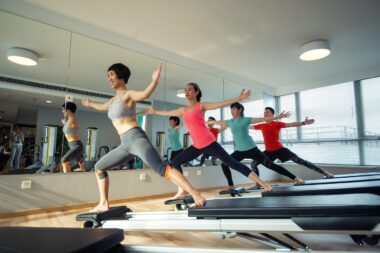
Creating a balanced Pilates routine for spine health is essential to achieving optimal flexibility. A fusion of flexibility, strength, and stability exercises will yield the best results. Integrating exercises like the **Side Body Stretch** not only targets lateral flexibility but offers a comprehensive adaptation of the entire spine. It involves reaching overhead, stretching along the sides, while focusing on maintaining a long spine. Additionally, dedicating time to the **Child’s Pose** during sessions allows spinal recovery while offering a gentle stretch. Adequate rest and recovery are integral to achieving long-term flexibility benefits. Also, utilizing a variety of Pilates equipment, such as the Reformer, can enhance spinal mobility through different resistance levels. This equipment allows for precise control, benefiting individuals at all fitness levels. Working under the guidance of a certified instructor can significantly accelerate progress and proper form. Engaging in group classes fosters motivation and accountability, further supporting dedication to practice. As flexibility improves, many find an overall improvement in both physical and mental well-being. Committing to a balanced Pilates practice emphasizes the spine’s health, promoting a lifelong journey towards sustained fitness and vitality.
Conclusion: The Journey to Enhanced Spine Strength
In conclusion, Pilates is a transformative practice that significantly enhances spine flexibility and overall health. Individuals who commit to practicing movements mindfully report increased body awareness and improved spinal alignment. By incorporating foundational exercises, effective breathing techniques, and mindful alignment into routines, practitioners can achieve remarkable results. Consulting with certified Pilates instructors offers personalized adjustments tailored to individual needs. With consistent practice, individuals may note marked improvements in both flexibility and strength, benefiting daily activities and overall functional mobility. Establishing a safe practice environment is essential; listen to your body, ensure correct form, and modify exercises as needed. Progress takes time, patience, and dedication, often resulting in newfound strength and flexibility. Committing to a regular Pilates regimen ultimately leads to enhanced health, vitality, and wellness. Flexibility is not just an end goal but an ongoing journey. As practitioners progress, they may discover a newfound appreciation for movement and its transformative power to enhance quality of life. Prioritizing spinal health through Pilates hones in on critical aspects of personal fitness, creating a strong foundation for future endeavors.