
Injury Prevention Strategies for Backpackers and Fitness Travelers
Traveling is one of life’s great pleasures, but for backpackers and fitness enthusiasts, it often brings challenges that could impact physical health. Injury prevention is crucial for ensuring that your travel adventures remain enjoyable and safe. To effectively reduce the risk of injuries while trekking or engaging in physical activities, proper planning and preparation are vital. Maintaining overall fitness and flexibility can assist in avoiding common injuries like sprains, strains, or muscle fatigue. Incorporating regular strength and flexibility training into your routine can condition your body for the physical demands of travel. Hydration and nutrition also play a significant part in injury prevention. Staying hydrated helps keep muscles functioning properly, while balanced meals ensure your body receives adequate fuel. Invest in good quality gear such as sturdy backpacks and supportive footwear that provide stability and comfort. Additionally, understanding your own limits during physical activities will help you to avoid overexertion. Acknowledging when to rest and recover is key for a successful journey, empowering you to enjoy your adventures to the fullest while minimizing injury risks.
One effective injury prevention method for backpackers involves incorporating a comprehensive warm-up routine. Warming up your body before engaging in physical activity enhances circulation and increases muscle elasticity. Incorporate dynamic stretches, gradual movements, and specific exercises targeting key muscle groups, particularly the legs, back, and core. This prepares joints and muscles for strenuous activities that hiking or backpacking entail. Additionally, focusing on core strengthening exercises builds stability, which influences overall body control during outdoor exploration. Utilize resistance bands or bodyweight exercises to maintain core strength throughout your travel adventures and routines. It can also be beneficial to integrate balance exercises into your regimen, such as standing on one leg or performing yoga poses. Improved balance minimizes the risk of falls and other injuries, particularly on rough terrains. Consciously pay attention to your walking or running technique, ensuring you maintain an upright posture and engage your core throughout the activity. These strategies fuel endurance and prevent injuries, promoting safer and more enjoyable adventures. Always listen to your body, ensuring proper recovery time between activities to sustain fitness while traveling effectively.
Footwear: The Foundation of Injury Prevention
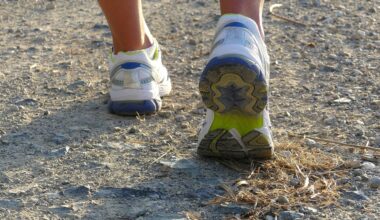
Choosing the right footwear is crucial for preventing injuries, especially for travelers engaged in hiking or other physical activities. Your feet are the foundation of your movement, and supportive, well-fitted shoes can significantly affect your overall comfort and stability. Invest in quality hiking boots that provide ample cushioning, arch support, and ankle stability. It is essential that your footwear is suitable for the terrain you plan to explore, whether it’s mountains, forests, or city streets. Make sure to break in new shoes properly before the trip to avoid blisters and discomfort during hikes. Always consider wearing moisture-wicking socks designed to keep your feet dry and prevent the growth of bacteria. Alongside suitable footwear, be mindful of the weight of your backpack, as excessive load can lead to strain and discomfort. Distribute weight evenly within your pack to maintain balance and reduce pressure on your back and joints. Using trekking poles can also alleviate stress on your knees and provide additional stability during your journey. These considerations can enhance your travel experience and significantly lower injury risk.
Proper hydration and nutrition is indispensable for maintaining energy levels and promoting muscle recovery. Ensuring hydration allows your muscles to function optimally, reducing the risk of cramps and fatigue that may lead to injuries during your activities. Carrying a reusable water bottle will remind you to drink sufficient fluids throughout your adventure. Additionally, consuming electrolyte-replenishing drinks is beneficial, especially in hotter climates or during intense workouts. Complement hydration with healthy, energy-rich snacks, such as nuts, seeds, and fruits. These foods offer essential nutrients and sustained energy during physical activities, allowing you to combat fatigue more effectively than sugary snacks. Plan your meals in advance, aiming for a balanced approach that includes proteins, carbohydrates, and healthy fats to keep stamina high. Moreover, consider the time of day for your meals, eating well before engaging in strenuous activities while allowing for proper digestion. Timing and balance will boost your performance and recovery. Finally, prioritize post-activity recovery with nutritious foods and proper rest to foster resilience against potential injuries during demanding travel adventures.
The Importance of Rest and Recovery
Rest days are fundamental in any fitness regimen, especially when traveling. Allowing your body to repair and recuperate prevents injuries, as overtraining can lead to fatigue and burnout. Schedule regular rest days throughout your travel itinerary to support your overall health while engaging in various activities. For instance, if you embark on a challenging hike, ensure you allocate time to rest after physical exertion, minimizing the risk of overuse injuries. Utilize these recovery periods for gentle stretching or yoga, promoting flexibility and reducing stiffness. Furthermore, engaging in low-impact activities, such as leisurely walking or swimming, can also facilitate recovery. Listening to your body is vital; if you experience discomfort or pain, prioritize rest over pushing through. Immediate attention to injuries is crucial as it can prevent small strains from escalating into severe issues. Utilize supportive tools such as foam rollers or massage balls to alleviate muscle tension during recovery periods. Additionally, restorative sleep enhances overall recovery, replenishing energy levels and allowing your body to heal effectively. Implementing these strategies will greatly enhance your travel experience and reduce the chance of injuries.
Understanding your limits during physical activities plays a significant role in preventing injuries. Whether you are an experienced traveler or a novice, recognizing when to stop or slow down can make a substantial difference in your overall well-being. Develop a keen self-awareness that allows you to monitor your fatigue levels as your journey progresses, ensuring you do not push your body beyond its capacity. Engaging in fitness-related activities suitable for your fitness level ensures fun without unnecessary injury risks. Make sure to gradually increase the intensity of your activities, allowing your body to adapt to the physical demands of travel. While setting ambitious goals can be motivating, heeding your body’s signals takes precedence. Enlist the support of travel companions to hold each other accountable regarding pacing and safety. Sharing your experiences can lead to valuable insights and collective strategies to enhance injury prevention. Additionally, engaging in regular physical assessments via fitness classes or with trainers can provide targeted advice for your travel activities. Prioritizing self-care ensures you maintain sustainable activity levels during traveling without compromising your health.
Conclusion: Preparing for Injury-Free Adventures
In summary, injury prevention for backpackers and fitness travelers hinges on a combination of preparation, awareness, and responsive care. By incorporating effective strategies into your travel routines, you can significantly minimize potential injury risks while enjoying your adventures to the fullest. Start by maintaining a tailored fitness regimen focused on strength, flexibility, and balance, emphasizing the importance of proper warming up before embarking on travel activities. Select suitable footwear and empower yourself with knowledge about your limits, adapting activities to fit your fitness level. Embrace rest and recovery as fundamental components of your travel schedule. The right nutrition and hydration also contribute significantly to sustaining energy and enabling proper muscle recovery. Whether hiking scenic trails or engaging in exciting fitness challenges, remain vigilant about maintaining your health and stability throughout your travels. Finally, equip yourself with quality gear such as packs and accessories that enhance comfort and safety. The combination of these strategies ensures memorable travel experiences while prioritizing injury prevention. Remember, your adventures should be exhilarating, and embracing these injury prevention measures will help you create unforgettable memories.
In conclusion, keeping safety a priority enhances travel experiences while guaranteeing long-term health benefits. Dreaming of adventures should not be hindered by injury concerns. Instead, make well-informed choices that improve your physical preparedness and set the stage for thrilling escapades without injury. Embracing these prevention strategies effectively equips you with the tools necessary for embracing an active lifestyle while enjoying the incredible landscapes and cultures the world offers. Turn your focus to health, wellness, and recovery during travels to allow your body to thrive in all physical pursuits. Your journey will be more fulfilling, fun, and free of the worries of injuries. Also, remember to share this essential knowledge with fellow travelers, encouraging them to embrace injury prevention measures. By doing so, you contribute to a culture of safer adventuring that prioritizes health and fitness for everyone. Injury prevention is an ongoing challenge that travelers will face, but with preparation and conscious awareness, you can successfully enjoy every moment of your experience. Elevate your travel adventures by committing to your health and fitness during exploration, keeping the spirit of adventure alive.