
Understanding the Importance of Hydration
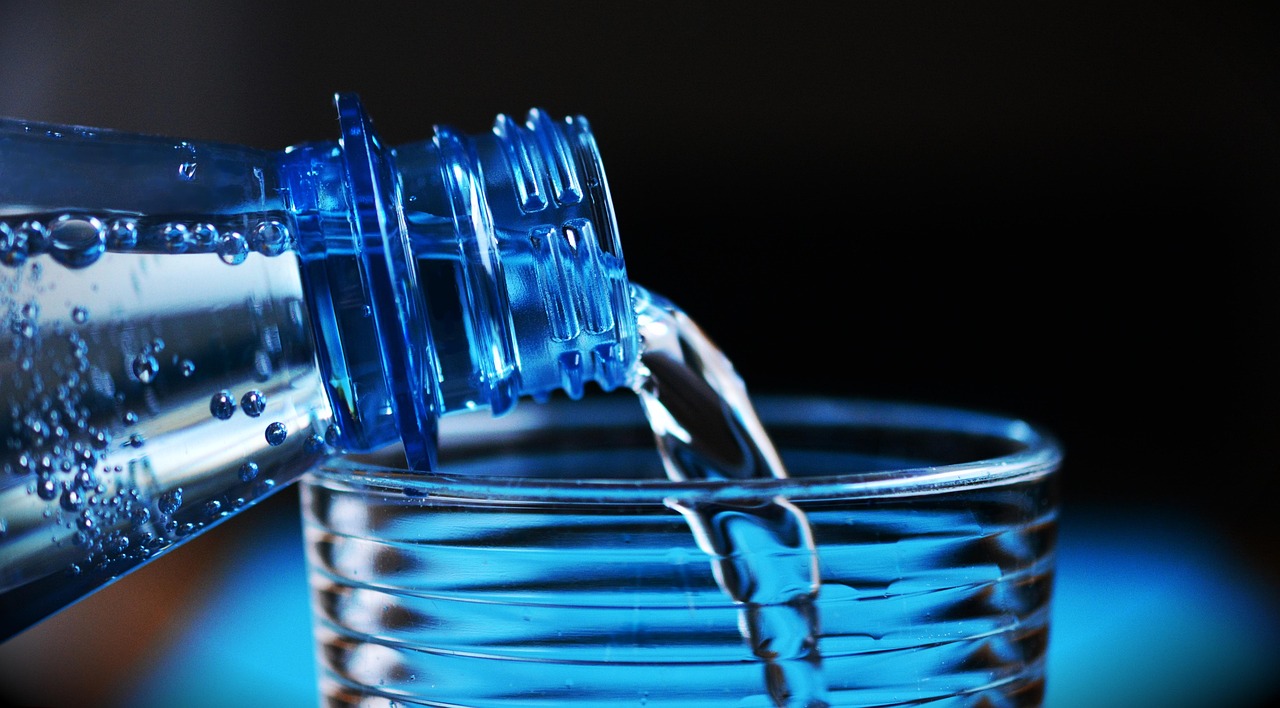
Hydration plays a critical role in the performance of martial artists during intense training sessions. As athletes engage in strenuous physical activities, their bodies lose fluids through sweat. Replacing these lost fluids is essential for maintaining optimal performance and preventing dehydration. Dehydration can lead to various adverse effects, including decreased stamina, impaired coordination, and reduced cognitive function. For martial artists, being at peak performance levels is crucial, especially during competitions and rigorous training drills. A well-planned hydration strategy can enhance endurance and overall training effectiveness. It’s not just about drinking water; understanding the specific fluid needs based on duration and intensity matters. Electrolytes, too, are vital in maintaining performance levels, replenishing what’s lost through sweat. Therefore, martial artists should incorporate hydration plans that align with their training routines. This could involve consuming drinks that contain electrolytes during long training sessions. Remaining vigilant about one’s hydration status, regularly checking for thirst cues and urine color are effective strategies to gauge hydration needs. Armed with proper knowledge, martial artists can train harder, recover quickly, and ultimately achieve their long-term performance goals effectively.
Best Hydration Practices
Implementing effective hydration practices can significantly boost performance and recovery in martial arts. First, it’s essential to start hydrating before training begins. This makes a major difference in sustaining energy levels throughout the session. Martial artists should aim to drink water regularly throughout the day, especially leading up to training. A good rule of thumb is to consume at least half of one’s body weight in ounces of water daily. For example, a 150-pound fighter should aim for 75 ounces. Additionally, fluid intake should not just focus on water but also consider beverages that replenish lost electrolytes. Drinks that contain sodium, potassium, and magnesium are particularly beneficial, especially after intense workouts. Protein shakes can be supplemented to help recovery, but athletes must avoid consuming excessive sugar-containing drinks, as they may lead to spikes and crashes in energy levels. Training in extreme environments can heighten fluid loss, making it vital to adjust drinking volumes accordingly. Finally, pacing fluid intake throughout training rather than consuming large amounts at once helps to enhance absorption.
Pay attention to hydration during weight-cutting phases. These times can be challenging when athletes must balance weight management while ensuring they remain hydrated. Proper hydration strategies become even more vital to meet both weight and performance goals. Here, planning is key. Athletes should focus on gradually decreasing their water intake leading up to weighing in for competitions rather than drastically limiting it. This allows the body to adjust without fully sacrificing hydration levels. Some athletes explore using electrolyte-rich liquids, which can maintain hydration without adding extra weight. The timing of fluid intake is important too; consuming water close to weigh-ins should be avoided as it might lead to temporary weight increase due to retained fluids. Furthermore, bodyweight checks throughout training can help identify any signs of dehydration, signaling necessary adjustments to fluid intake. Emphasizing electrolyte replacement in meals can also support hydration without contributing excess water weight. By balancing hydration with the pressures of weight cutting, martial artists can perform at their best while still achieving their desired weight classes.
Identifying signs of dehydration is crucial for martial artists. Symptoms can range from mild to severe, and awareness can ultimately prevent performance decline. Early signs, such as weak feelings, dizziness, or fatigue, should not be ignored. During intense training, athletes might notice decreased focus, making them more prone to mistakes, which can be dangerous. Monitoring urine color is one simple and effective method to gauge hydration levels. Ideally, urine should be pale yellow, indicating adequate hydration. Dark yellow urine signals a need for increased water intake. Athletes can also keep an eye on their body weight before and after training. Losing more than 2% of body weight can indicate dehydration. Being aware of such signs enables martial artists to adjust their hydration strategies real-time during training sessions. Furthermore, educating fellow training partners about hydration can foster better practices within the training environment, creating an overall safer experience. It’s significant that martial artists stay proactive rather than reactively addressing dehydration. Reinforcing hydration habits through group training can create a community that promotes performance and well-being.
Tailoring Hydration Strategies
Understanding individual hydration needs is vital for martial artists. Each athlete has different hydration requirements based on body composition, training intensity, and environmental factors. Therefore, it’s advisable to tailor hydration strategies according to personal circumstances. Athletes training in hot and humid conditions should mindfully increase their fluid intake due to a higher rate of sweating. Tracking fluid losses proves useful in determining your strategy for hydration. This can be done by weighing oneself before and after training sessions. Athletes can also experiment with different hydration formulas to see how their bodies react to them. Some may prefer simply water, while others might find sports drinks beneficial for replenishment. Studies suggest that consuming carbohydrates during extended workouts can support hydration and energy levels. For this reason, athletes must try out different approaches to find the combination that works best. Staying hydrated is not a one-size-fits-all approach, meaning that continuous refinement allows martial artists to adjust their strategies effectively based on performance feedback, enhancing longer-term training consistency and effectiveness.
Finishing proper hydration strategies with post-training intake is equally vital for recovery. After intense training, the body needs to replenish both lost fluids and electrolytes. A productive post-training hydration routine can involve drinks rich in electrolytes and protein, aiding muscle recovery while preventing dehydration. In particular, recovery drinks containing both water and electrolytes help replenish what was depleted during training. Additionally, incorporating natural sources of hydration is beneficial; for example, fruits such as watermelon and oranges can provide hydration as well as essential nutrients. The protein element is crucial after training, as it helps in repairing muscles stressed during workouts. The ideal timeframe to consume post-training fluids is within the first 30 minutes, maximizing absorption and recovery effects. Athletes shouldn’t just focus on the quantity but also the quality of their hydration recovery drinks. Monitoring urine color after workouts can continue verifying hydration efficiency. Depending on training intensity, recovery should be assessed regularly to ensure hydration levels are on track for future sessions. Building a balanced post-training hydration strategy integrates smoothly into overall nutrition plans.
Implementing consistent hydration practices positively impacts martial arts training. The amalgamation of pre-training, during, and post-training hydration strategies ensures athletes are well-supported throughout their physical activity. Staying well-hydrated enhances alertness, aids concentration, and supports coordinated movements necessary during sparring sessions. Additionally, having awareness around hydration fosters an athlete’s ability to monitor their personal hydration needs through cues practiced during training. This nurtures a habit that moves beyond the mats. Proper hydration contributes positively not just to immediate performance but also to long-term health and fitness. Furthermore, having fellow athletes to hold each other accountable can create an empowering environment. Together, martial artists can share successful techniques and experience to optimize hydration strategies. Staying informed about hydration science is equally important, as this enables athletes to adopt new and evolving practices that could improve their training. Continued education through workshops, online resources, or even engaging with sports nutritionists can be invaluable. Also, athletes must embrace the discipline of hydration with the same determination they apply to their training routines, recognizing that hydration is foundational to achieving excellence.
In conclusion, the key to mastering hydration during intense martial arts training lies in understanding individual needs while implementing strategic practices effectively. Regularly assessing hydration status, being mindful of environmental conditions, and adapting strategies based on performance feedback paves the way for success. It is essential that martial artists adopt hydration not only as an afterthought but as a foundational aspect of their training regimens. Emphasizing the integration of hydration within their daily routines enhances overall training effectiveness and promotes continued success. This creates a more responsible approach to fitness and health within martial arts. By recognizing the importance of hydration and implementing effective strategies, athletes can maintain peak performance, minimize injury risks, and optimize recovery. Thus, embracing hydration practices ensures that martial artists can train harder in the long run while competing effectively. Additionally, education surrounding proper hydration should be a priority. Continuing to learn about hydration science and best practices can empower martial artists to make informed choices. Ultimately, when martial artists prioritize hydration, they elevate their training capabilities and pave the way for their personal and athletic growth.