
Hydration During Pregnancy: Common Myths Debunked
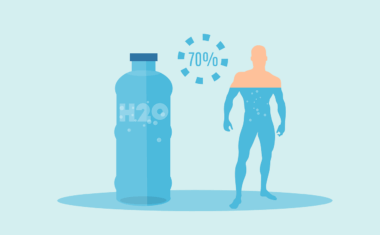
Staying hydrated is essential during pregnancy, yet numerous myths cloud the truth about hydration. Many believe that simply drinking when thirsty is sufficient hydration. While thirst is an important signal, it does not always reflect the body’s hydration status accurately. Pregnancy creates increased demands on the body, resulting in additional fluid needs due to blood volume expansion and amniotic fluid production. The Institute of Medicine recommends that pregnant women consume about 10 cups of water daily, but many fall short. Additionally, some may think that beverages like soda and coffee count towards this intake. While those do provide fluids, they often include caffeine or sugar, which can lead to dehydration. It’s crucial to prioritize water and healthy fluids instead. Furthermore, some people believe that ice-cold drinks are detrimental to the fetus. In reality, the temperature of your drink has no impact on pregnancy health. By understanding these myths, expectant mothers can make informed choices about their water intake for optimal health for themselves and their baby.
Another misconception involves sports drinks, which many consider essential for hydration during pregnancy. While these drinks contain electrolytes and carbohydrates, they are often unnecessary for everyday hydration needs. Most pregnant women do not engage in enough intense physical activity to require these additional nutrients. Water is generally sufficient for hydration. Pregnant women should monitor their hydration status by looking out for signs like urine color; pale yellow indicates proper hydration, while darker urine suggests the need for more fluids. Some myths suggest that if urine is clear, it means drinking excessively. This is misleading; a well-hydrated body can produce clear urine, signaling good fluid intake. Additionally, pregnant women are often advised to drink fluids before meals to avoid feeling too full. However, sipping water during meals is effective for hydration without impacting digestion significantly. Women should focus on consuming healthy, nutrient-dense foods alongside their hydration needs. Understanding hydration dynamics is essential for maintaining wellness throughout pregnancy, safeguarding mother and baby’s health while debunking common hydration myths.
Hydration and Weight Gain
A common myth suggests that drinking large quantities of water can lead to excessive weight gain during pregnancy. This confusion stems from the body’s increased fluid retention during this period. However, it’s important to distinguish between water weight and real weight gain. The body naturally retains more fluid to support the growing fetus and increased blood volume, but this doesn’t equate to fat gain. The right amount of hydration can actually aid in digestion and prevent constipation, a common issue among pregnant women. Proper hydration may also help avoid bloating, allowing mothers to feel more comfortable. On the contrary, deprivation of hydration can lead to dehydration, resulting in fatigue, headaches, or adverse pregnancy outcomes. Many women fear that increasing fluid intake will cause swelling of the extremities. While some swelling is normal, adequate hydration can mitigate this. Staying balanced with fluids can help ensure healthy swelling levels. Women should ultimately listen to their bodies and adapt their hydration regimen to fit their unique needs during pregnancy, understanding these myths can promote healthier habits.
Some expectant mothers worry about the safety of hydrating with flavored waters or infusing fruits into their beverages. Many wrongly believe that flavored water causes harm to the baby because of sugar content. In truth, homemade infused waters with fruits, herbs, or vegetables can enhance flavor without adding significant calories or sugars. Hydration can become enjoyable and creative, making individuals more likely to meet their daily intake goals. However, it’s prudent to avoid commercial flavored waters that contain added sugars or artificial ingredients. Many of these can have unnecessary calories or potentially harmful additives. This highlights the importance of reading labels and becoming informed consumers. Alternatively, combining water with electrolytes through natural sources like coconut water can be a beneficial strategy as well. Consuming adequate hydration through natural means has proven benefits for energy levels and overall health during pregnancy. Pregnant women should enjoy the process of hydrating and experimenting with different flavors, as long as they stick to generally healthy options. This encourages a positive outlook toward hydration, promoting lasting habits that extend beyond pregnancy.
Effects of Caffeine on Hydration
Many pregnant women wonder if caffeine consumption negatively impacts hydration levels. The prevailing myth is that caffeine-based beverages lead to dehydration. However, research indicates that moderate caffeine consumption can be safe during pregnancy. Ministry guidelines recommend limiting caffeine to about 200 mg per day. Interestingly, coffee contributes to daily fluid intake, and a small amount might not significantly affect hydration. Pregnant women can still enjoy their morning cups, but it’s essential to balance intake with water and other hydrating beverages. The key takeaway is moderation; drinking a balanced amount of water in conjunction with coffee or tea will lead to optimal hydration. On the contrary, excessive caffeine may lead to insomnia or jitters during pregnancy, prompting many to reassess their consumption levels. Drinking water alongside their caffeine sources will help maintain hydration levels without feeling guilty. Including herbal teas with a lower caffeine content is another alternative to ensure a safe and enjoyable hydration strategy. Striking a balance is crucial for both hydration and overall wellness; truthfully understanding caffeine’s role can promote better hydration habits.
Another misconception regarding hydration during pregnancy is the belief that women must only rely on water to stay hydrated. While drinking enough water is vital, other fluids such as herbal teas, milk, and even some fruits and vegetables can contribute significantly to daily fluid intake. Foods like watermelon, cucumbers, and oranges not only provide hydration but also supply essential vitamins and minerals. Including a variety of hydrating foods can enhance nutritional value, making hydration a fundamental aspect of a healthy pregnancy diet. Moreover, many women overlook the cooling, refreshing effects of smoothies or homemade juices. These options are excellent for staying hydrated while enjoying diverse flavors and nutrients. Nutrient-rich drinks can also encourage healthy weight gain instead of excess fat. Maintaining variety prevents monotony, while flavor is important for overall health. Additionally, some may worry about the safety of specific juices during pregnancy. It’s crucial to choose pasteurized juices to avoid bacterial contamination. A balanced approach with sufficient variety can help expectant mothers meet their hydration needs while enjoying the process through meal preparations and hydration habits.
Conclusion and Recommendations
In conclusion, dispelling misconceptions regarding hydration during pregnancy is essential for all expectant mothers. Educating oneself on proper hydration guidelines promotes overall health for both mother and baby. By debunking myths about hydration sources, including flavored water and caffeine, women can make informed choices. Emphasizing the importance of water, while acknowledging that other fluids aid in hydration, creates a balanced outlook on fluid intake. Keeping an eye on symptoms of dehydration is vital; recognizing cues like thirst, dark urine, and fatigue can help establish whether hydration levels are adequate. Familiarizing oneself with fluid-rich foods ensures consistent hydration and maximizes nutritional benefits. Additionally, personalizing hydration habits according to individual needs creates a solid approach to wellness during pregnancy. Utilizing recommended daily intake, while listening to the body’s needs, empowers women in their hydration journey. Building healthy hydration practices fosters awareness that extends beyond pregnancy, contributing to long-term wellness. Ultimately, the focus should be on creating enjoyable and hydrating experiences that are both nourishing and fulfilling throughout this incredible life stage.
Staying hydrated is essential during pregnancy, yet numerous myths cloud the truth about hydration. Many believe that simply drinking when thirsty is sufficient hydration. While thirst is an important signal, it does not always reflect the body’s hydration status accurately. Pregnancy creates increased demands on the body, resulting in additional fluid needs due to blood volume expansion and amniotic fluid production. The Institute of Medicine recommends that pregnant women consume about 10 cups of water daily, but many fall short. Additionally, some may think that beverages like soda and coffee count towards this intake. While those do provide fluids, they often include caffeine or sugar, which can lead to dehydration. It’s crucial to prioritize water and healthy fluids instead. Furthermore, some people believe that ice-cold drinks are detrimental to the fetus. In reality, the temperature of your drink has no impact on pregnancy health. By understanding these myths, expectant mothers can make informed choices about their water intake for optimal health for themselves and their baby.