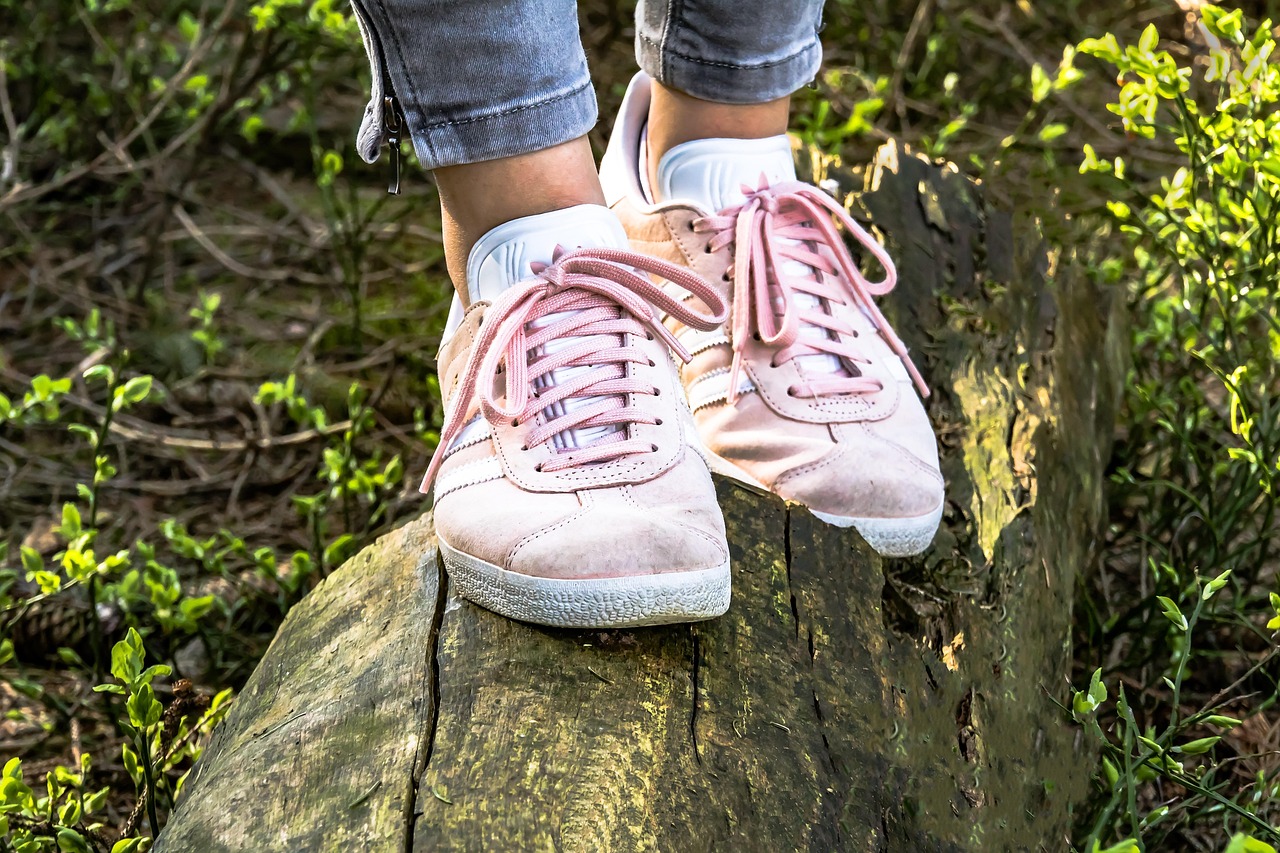

How Footwear Influences Different Types of Balance
The influence of footwear on balance and coordination is significant. Different types of balance, including static, dynamic, and functional balance, can be impacted by the shoes we wear. Proper footwear can help enhance stability, promote better posture, and ultimately lead to improved overall performance in various activities. For instance, athletic shoes are designed specifically to support movement, reduce injury risks, and ensure that one feels grounded. If shoes lack support or are improperly fitted, this can adversely affect how individuals maintain their balance. Lightweight shoes designed for running, with ample cushioning, can ease strain while offering the support needed for dynamic movements. However, the balance can be negatively impacted by poorly designed heels or shoes with inadequate grip on slippery surfaces. Therefore, understanding how footwear choices can influence balance becomes essential for anyone engaged in sports or physical activities. Ultimately, proper footwear tailored to different activities can make a substantial difference. Fitness enthusiasts, athletes, and casual walkers should prioritize choosing shoes that cater to their specific balance needs.
Types of Balance in Detail
There are three primary types of balance: static, dynamic, and functional. Each type plays a crucial role in how we perform daily tasks and various athletic activities. Static balance involves maintaining equilibrium when standing still, requiring appropriate footwear that provides a stable base. Shoes with a wide and flat sole help achieve better static balance by providing a larger surface area for contact with the ground. On the other hand, dynamic balance is necessary during movement, such as running or jumping. For this, footwear with adequate arch support and shock absorption is essential in mitigating landscape and foot impacts. Finally, functional balance encompasses the ability to maintain balance while engaging in coordinated movements, essential in sports like basketball or soccer. Athletes often look for shoes that facilitate quick direction changes and lateral movement, enhancing their functional balance. Selecting the right footwear not only influences overall performance but also minimizes injury chances related to balance disruptions. Evaluating footwear based on the specific balance type needed can undeniably make an impact on improving one’s ability to perform various activities.
Footwear construction contributes significantly to enhancing balance. Materials used, shoe design, and technologies integrated influence how shoes interact with the surface, affecting balance. For example, shoes featuring a flexible sole can adapt more easily to uneven surfaces, thereby promoting stability during dynamic activities. Meanwhile, rigid soles might be better suited to static balance, as they offer a supportive feel. Technology plays a vital role here; shock-absorbing midsoles help in energy transfer while minimizing strain during movement. Additionally, shoes with a wider toe box provide feet more freedom and stability, consequently improving balance. Many brands also incorporate technologies to prevent slips, ensuring grip regardless of conditions. We must also consider the weight of footwear. Lightweight materials allow for better performance without compromising balance, as wearers do not feel burdened. A comprehensive understanding of how shoe construction affects balance aids consumers in making informed choices. The right footwear serves as a critical support factor, enabling individuals to maintain proper balance in various environments, whether on the field, the track, or on outdoor trails.
The Role of Proper Fit
Proper fit is paramount when selecting footwear that affects balance. Shoes that are either too tight or too loose can create imbalances and hinder movement. A shoe that fits snugly ensures better control as it holds the foot firmly in place. Shoes with proper fit should allow slight wiggle room for toes, indicating a comfortable yet supportive fit. On the contrary, overly restrictive shoes can lead to foot pain, reduced functionality, and compromised balance. When shopping for shoes, it’s key to measure both feet, as discrepancies can exist. Footwear manufacturers often provide size and width options to accommodate various foot shapes. The incorporation of adjustable features like straps and laces can also enhance fit and stability. Additionally, orthotic insoles may further improve comfort and balance, making a world of difference for tasks requiring precision and coordination. For those experiencing balance problems, consulting with professionals about the right fit and appropriate orthotic options is crucial. Focusing on the fit of shoes can lead to improved performance and a lower risk of injury and mishaps.
Different sports demand unique footwear characteristics that influence balance. For instance, running shoes often feature lightweight materials and superior cushioning to facilitate speed while maintaining balance. In contrast, trail running shoes possess thicker soles for grip and stability on uneven terrain. The balance considerations differ for sports like basketball, where ankle support is vital, necessitating high-top shoes that prevent rolling injuries. Each sport has specific footwear requirements tailored to achieve optimal performance while safeguarding the athlete’s balance. Likewise, dance shoes often have a flat sole to aid in dynamic movements, ensuring the dancer can execute intricate steps without losing stability. Individuals partaking in group fitness classes may benefit from cross-training shoes that combine elements of support and flexibility, addressing various balance challenges in diverse workouts. The right sport-specific shoe can enhance performance, but incorrect choices can lead to balance issues and injuries. Therefore, recognizing how different sports dictate footwear characteristics is critical for athletes, ensuring they maintain balance while excelling in their chosen activities.
Impact of Surface on Balance
The playing surface significantly impacts footwear’s role in balance. Transitioning between indoor and outdoor surfaces means adapting shoe features to meet balance needs. Indoor surfaces generally provide a consistent grip, allowing for specialized shoes designed for traction. However, outdoor surfaces can vary widely, from grass to gravel and concrete. Understanding the requirements of each surface is essential for choosing appropriate footwear. For example, shoes designed for running on trails feature deeper treads for grip on uneven ground, thus enhancing balance. Conversely, sneakers suitable for indoor courts often have a smoother sole to reduce traction and improve maneuverability. Factors such as slipperiness, elevation changes, and terrain type must also be considered when selecting footwear. Wearing shoes specifically designed for the intended surface can mitigate slips and falls while providing much-needed support for maintaining balance in varied conditions. Finally, choices like footwear color and design can also affect psychological perception regarding balance. Ensuring that shoes fit both functionally and aesthetically enhances confidence while navigating diverse terrains.
Ultimately, performance-driven footwear solutions enhance both balance and coordination. Brands are increasingly pursuing technologies that marry style with functionality, improving performance in a highly competitive landscape. Notably, several companies focus on providing shoes that adapt to individual gait patterns, improving stability and balance. These advanced technologies can significantly influence an athlete’s ability to perform effectively. Customer reviews play an essential role in aiding individuals in selecting shoes that are proven to be beneficial for balance. Understanding how various features correlate with effective balance can help in selecting footwear that meets individual needs. In the end, footwear that prioritizes stability, comfort, and fit will lead to enhanced performance outcomes while minimizing health risks. Staying informed about the evolving world of footwear technology is prudent for those committed to improving their balance and overall physical health. By exploring various brands, athletes and fitness enthusiasts can find shoes that resonate with their requirements, ensuring balanced performance and enjoyment in their activities. In conclusion, selecting the proper footwear is essential for maintaining different forms of balance and ultimately enhancing performance.