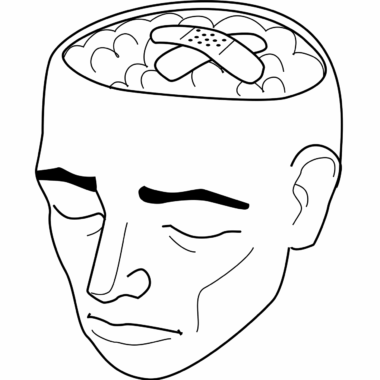

Future Directions: Physical Therapy Innovations in Mental Health Care
The integration of physical therapy into the realm of mental health is emerging as a powerful avenue for treatment. Physical therapists are uniquely equipped to assist mental health patients not only with physical rehabilitation but also by promoting overall well-being. This multifaceted approach encompasses movement strategies that enhance physical capacity alongside psychological resilience. One fundamental aspect of this innovation is the recognition of the mind-body connection; research increasingly shows that physical activity can lead to positive mental health outcomes. Exercise fosters the release of endorphins, natural mood lifters, and consistent engagement can serve as an effective coping mechanism for individuals facing mental health challenges. Physical therapists utilize tailored exercise regimens to support their patients and can effectively address specific issues related to mobility, balance, and endurance. By emphasizing the development of physical fitness, therapists can indirectly contribute to improvements in mood and decreased feelings of anxiety. Furthermore, this collaborative care model encourages patients to take an active role in their mental health, instilling a sense of empowerment that enhances treatment adherence and overall satisfaction with care. Thus, the future of mental health care may very well rely on these therapeutic alliances.
Innovative therapeutic techniques are continuously being developed and implemented by physical therapists to bridge the gap between physical and mental health. Mindful approaches, such as yoga, tai chi, or Pilates, are gaining traction for their capacity to promote mental resilience while enhancing physical function. These practices are shown to decrease stress, anxiety, and depressive symptoms through increased body awareness and relaxation techniques. By integrating such activities into rehabilitation programs, therapists create an environment that nurtures both physical and psychological well-being. Utilizing these mindful movement practices not only helps patients physically but also facilitates mental clarity and emotional regulation. Additionally, physical therapists employ motivational interviewing techniques to encourage patient engagement, which can significantly impact their therapeutic journey. These interviews help identify barriers to participation and establish achievable goals tailored to individual preferences. Incorporating cognitive behavioral strategies along with physical therapy can also support patients’ re-engagement in daily activities and foster better mental health outcomes. Overall, the confluence of physical activity and therapeutic relationships is redefining treatment paradigms, making it essential for physical therapists to stay abreast of these evolving methods and research on mental health interventions.
Collaboration in Interdisciplinary Care
Collaboration between physical therapists and mental health professionals is increasingly recognized as crucial for delivering comprehensive care. This interdisciplinary approach ensures that all aspects of a patient’s health are considered in the treatment plan. Regular communication between therapists, psychologists, and psychiatrists helps clinicians share insights about patient progress, challenges, and the effects of physical interventions on mental health. This collective strategy allows for timely adjustments to treatment protocols ensuring maximum effectiveness and holistic care. Additionally, referral patterns are enhanced through these collaborations, providing patients seamless access to various therapeutic services. For instance, a physical therapist may discern the need for further psychological support and recommend appropriate professionals to address underlying issues. Patient-centered care models are becoming the standard practice as healthcare systems acknowledge the importance of treating the body and mind in unison. As a result, innovative treatment plans integrating physical and mental health recommendations can be developed. As the landscape of healthcare evolves, physical therapists must advocate for and embrace these collaborative efforts, ensuring that mental fitness becomes an intrinsic part of rehabilitation efforts.
Technology is also playing a pivotal role in revolutionizing the practice of physical therapy in mental health care. Telehealth services are transforming the accessibility of therapy sessions, particularly for patients facing mobility or transportation barriers. Virtual therapy sessions enable therapists to provide essential guidance and monitoring regardless of physical location. This innovation is particularly beneficial during public health emergencies, allowing patients to maintain their therapeutic routines. Additionally, apps and wearables that monitor physical activity can be complemented by mental health resources, creating a more integrated approach to wellness. For example, some applications track movement patterns and provide feedback while also incorporating reminders for mindfulness practices or mental health check-ins. This data-driven approach empowers patients to actively engage in their care, fostering accountability. Gamification of physical activities is another exciting development attracting mental health patients by making exercise enjoyable and motivating. Technologies that encourage social interactions and healthy competition through fitness trackers can bolster mental resilience and community support. As technology continues to advance, physical therapists must adapt to these changes to better serve their patients and enhance their overall mental health outcomes.
Education and Training of Physical Therapists
Education and training for physical therapists are evolving to include mental health competencies, ensuring practitioners can effectively support their patients’ psychological needs. Academic programs are recognizing the importance of equipping future therapists with knowledge about mental health conditions and the psychological aspects of rehabilitation. Workshops, internships, and continuing education courses are essential components enabling students and practicing therapists to deepen their understanding of mental fitness strategies. By integrating psychology, behavioral science, and physical therapy principles, therapists can develop comprehensive treatment plans that consider more than just physical impairments. The American Physical Therapy Association (APTA) is advocating for curriculum changes to include behavioral frameworks and mental health resources. This initiative contributes to the creation of a workforce skilled in addressing the complexities of mental health among physical therapy patients. Knowledge in mental health not only enhances treatment effectiveness but also empowers therapists to assist in identifying signs and symptoms of mental disorders, allowing for timely interventions and referrals. As education continues to evolve, an emphasis on mental health will ensure that physical therapists remain adept and confident in addressing the multifaceted needs of their patients.
The role of physical therapists in mental health is expanding with the increasing recognition of exercise as an essential component of recovery. Research consistently shows links between physical activity and improved psychological outcomes, such as lower anxiety and enhanced mood. This connection extends to social interaction as group therapies or community-focused programs can provide opportunities for patients to engage with peers. These interactions are crucial for developing support networks that bolster healing. Physical therapists are uniquely positioned to facilitate group activities that encourage camaraderie and shared experiences, thereby reducing feelings of isolation often associated with mental health issues. As initiatives aimed at engaging communities in health promotion grow, the potential for physical therapists to lead such engagements increases. Moreover, outcomes improve when patients feel part of a supportive environment that motivates them to take active steps in their recovery. Creating inclusive, participatory programs is vital, enabling individuals to interact socially while enhancing their physical fitness. Emphasizing community involvement is fundamental to sustaining long-term wellness and recovery, solidifying a physical therapist’s role as a key player in mental health initiatives.
Conclusion and Future Perspectives
As we look towards the future, the integration of physical therapy within mental health care holds tremendous promise. The evolving landscape of healthcare necessitates that physical therapists embrace innovative practices that address both physical and mental health. Continued research into these integrated approaches will be essential for understanding best practices and efficacy. Emphasizing patient-centered care will ensure that individual needs are met, thus improving therapeutic outcomes. Collaboration among healthcare providers will further enhance the quality of care, ensuring that mental health fitness is part of recovery plans. The journey towards mental health wellness includes the recognition of the important role of physical therapists as advocates for holistic care. Encouraging a cultural shift that normalizes the conversation around mental health while highlighting strategies for physical wellness will be crucial. The importance of physical activity for mental fitness must be continually reinforced. Physical therapists have the opportunity to lead this charge by promoting healthy lifestyles and fostering supportive environments for individuals. This future-oriented approach could significantly reduce the prevalence of mental disorders and enhance the quality of life for many individuals, marking a positive advancement in the field of healthcare.
Within the next decade, physical therapists will be at the forefront of innovating mental health care strategies. By merging traditional rehabilitation practices with contemporary wellness principles, the scope of physical therapy is set to broaden tremendously. As evidence-based practices gain traction, therapists must remain adaptable and forward-thinking. Engaging in ongoing research and staying informed about new methodologies will empower them to provide effective treatments and interventions. Moreover, cultivating a community of practice among professionals can yield invaluable insights and foster shared learning experiences. By sharing successes, challenges, and best practices, therapists can enhance their professional skills and contribute to the advancement of mental health therapies. Investing in multidisciplinary teams will further enrich the therapeutic experiences for individuals, ensuring comprehensive care. As physical therapists continue to integrate mental fitness concepts into their practice, they will not only improve patients’ outcomes but also diminish the stigma surrounding mental health. Physical therapy’s evolution into holistic mental fitness support will mark a transformative era in healthcare, fostering lasting change that benefits future generations and elevates the standards of mental health treatment.