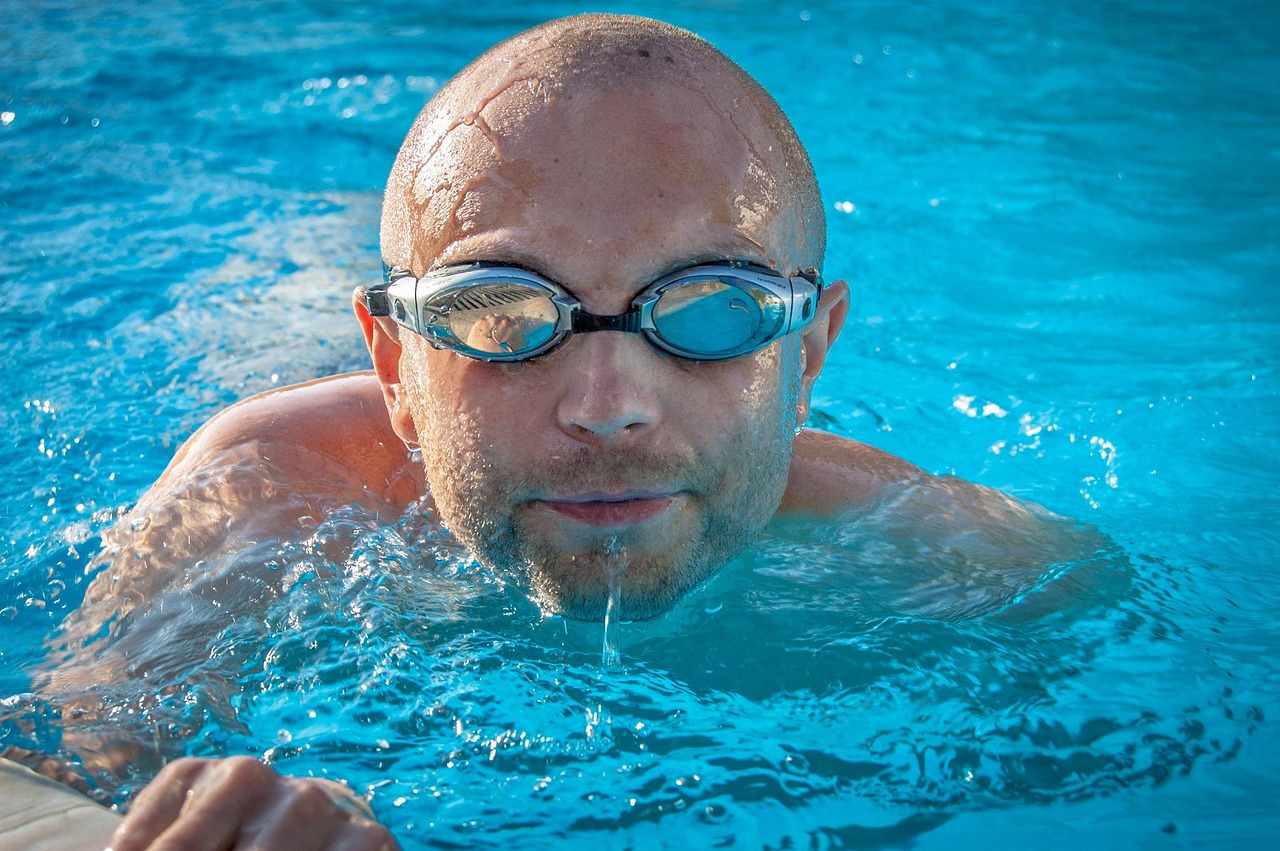

Editing Your Swimming Photos for Maximum Impact
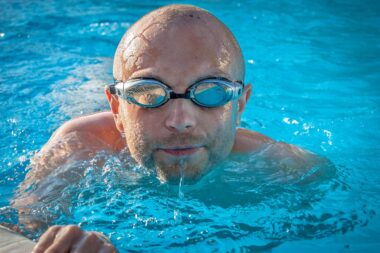
To enhance your swimming photographs, start with the basics of image editing software. Familiarize yourself with tools like Adobe Lightroom or Photoshop, which are popular and effective. Begin by adjusting the exposure to ensure the image is well-lit. Use the contrast feature to add depth to the photographs. A well-contrasted image can capture the intensity and movement of swimmers effectively. Additionally, cropping is essential to remove any distractions from the focus of the shot. Aim to center the swimmer in the frame, highlighting their technique and form. Furthermore, make use of color correction options to ensure that the water and skin tones appear natural. Sometimes, a bit of saturation can enhance the vibrancy of the water while maintaining realistic tones. Also, applying sharpening techniques can significantly improve the details of the swimmer’s movements, especially in high-action shots. Lastly, try experimenting with different filters or presets to create a unique mood that reflects the essence of swimming, whether it’s calm or energetic.
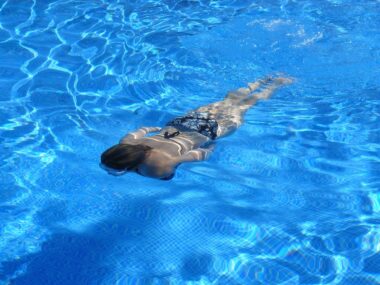
Next, pay attention to the composition of your images. The rule of thirds is a powerful guideline in photography; apply it when framing your shots. By positioning the main subject, such as the swimmer, along these lines or at their intersections, you create a more engaging image. Look for dynamic angles while shooting and apply those in your edits, rotating or repositioning when necessary. This can breathe new life into an otherwise standard shot. Additionally, you may want to explore the action shot aspect of swimming photography. Freeze-frame techniques capture a swimmer mid-stroke, showcasing technique and power. In post-processing, you can refine details and blur background elements slightly, focusing attention on the athlete. Sometimes, adding motion blur effects can convey speed and energy, enhancing the overall feel of the photograph. Also, occasionally monochromatic edits bring a classic touch to swimming images, allowing observers to focus on form versus color. These various methods allow you to highlight both the sport’s beauty and its athletes effectively.
Leveraging Light and Shadows
Understanding light and shadows plays a crucial role in swimming photography. When editing your images, pay careful attention to how light affects the composition. Clear, well-lit images often resonate more than those plagued by shadows. Adjust exposure settings in editing to balance highlights and shadows, bringing clarity to both the swimmer and the surroundings. Dark shadows might fade details, making enhancements crucial to visibility. Use highlights strategically; too much can cause washout effects, particularly in elements like water and skin tones. Moreover, experimenting with backlighting can create ethereal, striking images, especially at dawn or sunset. To harness their full potential in editing, adjust the brightness and contrast to avoid overpowering the subject. Utilizing gradients can also help you create a smooth transition from light to dark areas in the photograph. This can add dimension; however, ensure the main subject remains the focal point without distractions from the background. Additionally, you can emphasize the swimmer’s motion through selective focus by blurring non-essential elements, guiding the viewer’s eye seamlessly to the action.
Furthermore, consider the impact of color grading in your edits. Implementing specific color palettes can direct the viewer’s emotional response. Warm tones often evoke feelings of energy and excitement, fitting for competitive swimming shots. Conversely, cooler tones lend a relaxed, calm feeling, which may suit recreational swimming images. Playing with the vibrance and saturation can allow certain colors to pop, drawing attention to the swimmer’s gear or swimming lanes. Color adjustments merit careful consideration, as over-saturating can lead to unnatural results. Another useful technique is to apply a vignette effect subtly, which darkens the corners of the image, enhancing focus on the subject. This approach can help highlight the swimmer, creating an immersive effect. Blend these colors with textures to add depth to your images; using textures can also create visually interesting backgrounds. Also, experimenting with monotone or duotone effects can produce a dramatic impact, engaging viewers differently. When used thoughtfully, color grading significantly amplifies the overall aesthetic of your swimming photographs.
Final Touches for a Professional Look
To achieve a polished look in your swimming photographs, finishing touches during editing are essential. Review the overall composition once more, taking the time to assess line alignment and symmetry. Flaws can distract from the image and its intent. This is particularly true with swimming photography, where precision and symmetry encapsulate the beauty of the sport. Additionally, consider resizing the images based on their intended platform, whether for social media or print. Adjust resolution accordingly; high-quality images carry more impact across all formats. Using the ‘save as’ function, maintain a copy in high resolution for prints later. Furthermore, try incorporating borders for aesthetic appeal, ensuring they complement the photograph rather than dominate. Using simple, elegant borders can provide definition, allowing the image to stand out. Also, watermark your images subtly if you plan to share them publicly. This protects your work while promoting your brand effectively. Revisit your editing process often; developing a unique style takes time, practice, and experimentation with various techniques.
Additionally, consider joining online forums or groups dedicated to swimming photography as they can provide invaluable insight. Sharing your work for feedback allows you to understand areas for improvement. Engage in critiques but remain open to suggestions. The experience shared among peers can help refine your editing skills further. Observing others about adjustments they make can inspire novel approaches to your own editing practices. Tutorials offered within these forums provide step-by-step guides on specific techniques you may want to incorporate. These resources can provide exposure to various editing styles, enhancing your own creative vision. Embrace trends and develop techniques that reflect your unique approaches. Furthermore, seek out workshops or online classes that focus particularly on photography and lighting. These sessions can solidify knowledge of both underwater and above-water techniques. Ultimately, mastering swimming photography requires dedication, continuous learning, and a willingness to adapt. When structured with clear goals, your editing can create stunning visual stories that accurately capture the thrill and grace of swimming.
Showcasing Your Developments
As your swimming photography skills evolve, document your progress through a dedicated portfolio. A well-organized portfolio not only displays your best works but showcases your growth as an artist. Consider categorizing your photos by themes, such as competitive swimming events or serene practice sessions. This categorization will make it simpler for potential clients or viewers to find what interests them. Additionally, leverage social media platforms to exhibit your work. Platforms like Instagram and Pinterest are perfect for visual storytelling, attracting a diverse audience to your images. Make use of relevant hashtags and engage with other photographers to create visibility. Regularly post your edited works while sharing the editing processes can cultivate a following who appreciate your expertise. Moreover, consider entering competitions focused on swimming photography; feedback from judges can be insightful and constructive. It serves as a platform to connect with industry professionals and contributes to gaining recognition. Collaborating with local swim teams or athletes also opens avenues to showcase your work consistently.
Finally, celebrating milestones in your photography journey encourages ongoing motivation. When you complete a series of photographs or successfully implement new techniques, acknowledge your achievements. This can retain your passion for the field, drawing you deeper into the world of swimming photography. Establishing benchmarks or goals for yourself can encourage continual development. Also, always make time for practice outside of editing; shooting regular images keeps your skills sharp. Being in tune with the atmosphere of an event improves your capabilities in capturing emotion and motion cohesively. Surrounding yourself with like-minded individuals fuels inspiration; attend workshops or events together that stimulate creativity. In addition, revisit older shots for re-editing opportunities. This revised perspective often reflects newfound skills, offering valuable insights for current pursuits. Finally, embracing the journey of both taking and editing swimming photographs fosters a community of creativity. Your dedication and passion will shine through in your work, encouraging you to push for continual improvement, shaping your distinct style while capturing the beauty of swimming, and empowering your storytelling ability.