
Dance Fitness for Strength: High-Intensity Workouts to Build Muscle
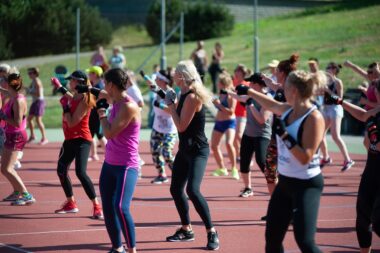
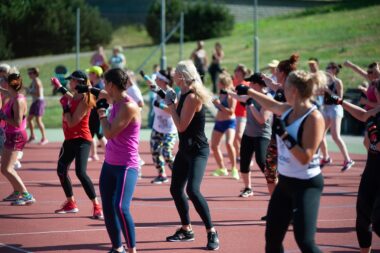
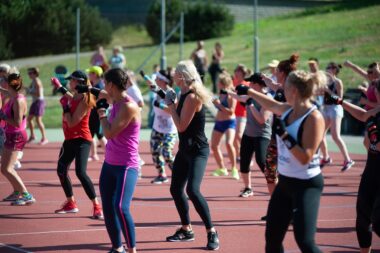
Dance fitness is an exhilarating way to combine aerobic activity with muscle strengthening. High-intensity dance workouts particularly engage various muscle groups through rhythmic movements, boosting endurance while enhancing overall body strength. One of the remarkable benefits of these workouts is the ability to build muscle without the heavy weights typical of traditional strength training. Instead, dancers utilize their body weight and dynamic movements to target specific areas, providing an efficient workout that results in both cardiovascular and muscular gains. Incorporating elements like jumping, squatting, and fast-paced footwork into routines allows for full-body engagement. Participants should ensure they wear appropriate footwear to support ankles and feet adequately during these high-energy sessions. Furthermore, it’s essential to include a warm-up and cool-down routine, promoting flexibility and reducing injury risks. To maximize strength development, participants should aim to perform these workouts at least 3 to 4 times a week. Consistency is vital, paired with a balanced diet that supports muscle recovery and growth. Individuals of all fitness levels can enjoy these workouts, offering modifications that ensure inclusivity while challenging participants appropriately.
As you journey through high-intensity dance workouts, understanding the mechanics behind the movements plays a crucial role. Every dance style, whether hip-hop, salsa, or jazz, has foundational techniques that focus on strength. By mastering these techniques, participants can improve posture and balance, translating into better dance performance and decreasing the likelihood of injuries. Engaging in strength-building through dance also allows participants to become more aware of their bodies, enhancing coordination. As dance focuses on expression, incorporating muscle strength into routines can elevate one’s style and individuality. Utilizing dance workouts as a strength training method provides several advantages. One of these includes the aerobic component, which is essential for heart health. The excitement generated by high-energy music and choreography keeps motivation alive, turning what could feel like a chore into an enjoyable experience. Additionally, dancing as a form of strength training often fosters a community environment where individuals uplift and encourage each other. To further enhance your strength, consider integrating resistance bands or light weights into your routine, giving your muscles an extra challenge to stimulate growth and endurance.
The Importance of Cross-Training
Integrating cross-training into your dance fitness routine can significantly enhance the effectiveness of high-intensity workouts. By engaging in other forms of exercise, like swimming or cycling, dancers can develop complementary muscle groups that contribute to overall strength and stability. This variety not only aids muscle growth but also helps prevent workout monotony. Cross-training can also improve cardiovascular endurance and flexibility, ultimately enhancing your dancing capabilities. Activities such as yoga or pilates can significantly improve core strength, which is paramount for balance and precise dance movements. Scheduling these activities during the week alongside dance workouts can create a more diversified and effective fitness plan. Moreover, depending on a single type of workout can lead to plateaus and decreased motivation. Therefore, infusing various forms of exercises ensures continual progression and keeps the body challenged. Approaching your fitness regime with versatility prepares your muscles for the diverse moves featured in dance routines. Furthermore, cross-training fosters a proactive fitness culture, as you learn new skills in alternative settings. Discovering newfound interests may also kindle a passion for fitness, making it easier to commit to a healthier lifestyle.
Nutrition plays a critical role in building muscle and sustaining energy during high-intensity dance workouts. As your body engages in strenuous activity, fueling it correctly is vital for optimal performance. Consuming a well-balanced diet that comprises lean proteins, whole grains, and ample fruits and vegetables is essential for strength. Protein is particularly important, as it aids muscle repair and growth. Consider including sources like chicken, fish, quinoa, and legumes in your meals. Eating a proper breakfast with complex carbohydrates can provide energy for morning workouts, keeping you active throughout the day. Hydration is another crucial aspect of a successful fitness regime. During high-intensity sessions, you may lose significant fluids through sweat, so drinking adequate water is paramount to maintain performance and allow your body to recover efficiently post-workout. Adequate hydration helps in preventing cramps and fatigue, ensuring that quality cannot be compromised. Additionally, consider timing your meals effectively by eating a snack both before and after workouts to keep energy levels steady. Pre/post-workout snacks like bananas or protein bars will help maintain stamina while supporting recovery.
Recovery after Intense Workouts
Recovery is a key component of any workout regimen, especially after engaging in high-intensity dance workouts. Muscles require time to recover and repair after being pushed to their limits. Incorporating rest days into your routine is essential, as it allows your body to heal and adapt to the stress placed upon it. During recovery, muscles strengthen, resulting in improved performance in subsequent workouts. Active recovery techniques, such as light stretching or gentle yoga, can facilitate blood circulation, helping reduce soreness and stiff muscles. Additionally, incorporating restorative practices can enhance mental wellness and boost motivation. Regularly practicing self-care techniques, like foam rolling, massage, or spa visits, can also ease muscle tension and promote relaxation. Sleep is another aspect to consider, as adequate rest enhances recovery processes. Furthermore, listening to your body signals is crucial in determining when to push through fatigue or when to take a break. If a workout feels too intense or painful, allow yourself a pause. Recovery does not merely signify the absence of movement; rather, it encompasses a holistic approach to maintaining overall health and vitality.
Incorporating high-intensity dance workouts into your routine can yield significant physical and mental health benefits. These workouts involve rigorous movements that stimulate muscle activation and enhance weight loss. As a cardiovascular workout, dance-based exercises not only build muscle but also promote fat loss simultaneously. The energetic environment created when engaging in dance classes can garner social support and camaraderie, fostering enthusiasm towards fitness. Ensuring commitment and consistency is vital for long-term results. Setting specific goals, like improving endurance or mastering new dance steps, encourages accountability while motivating participants. Tracking progress through logs or apps can keep individuals aligned with their goals. Consider joining local dance communities or online forums where you can share experiences, tips, and success stories while surrounding yourself with like-minded individuals. Remember, our minds play a vital role in the journey towards fitness, and having supportive peers can make it an empowering experience. High-intensity dance workouts transform monotonous training into enjoyable sessions that ignite passion for fitness, encouraging participants to embrace strength-building as a primary focus. Undoubtedly, every effort placed into developing strength through dance will pay off, resulting in profound benefits.
Conclusion: Embrace Dance Fitness
In conclusion, high-intensity dance workouts serve as an innovative and effective means of building strength and improving overall health. They offer a unique fusion of cardio, muscle strengthening, and social engagement, making for an enticing fitness experience. Participants can adapt routines to their personal fitness levels, ensuring accessibility. The incorporation of cross-training and nutritional strategies significantly enhances results, allowing dancers to further their fitness journey with ease. Recovery is an integral component of strength building that should not be overlooked, as it plays an essential role in reaching fitness goals. Engaging in dance fitness can foster a sense of commitment and dedication towards a healthier lifestyle. This journey encompasses exploration and the pursuit of one’s passion. High-intensity dance workouts are accessible to anyone, regardless of prior experience. Through commitment and enjoyment, individuals can achieve remarkable strength and muscle development. So put on your dancing shoes, gather your friends, and start your journey towards building muscle while having fun! Celebrate each milestone along the way, reinforcing the notion that fitness can be enjoyable. Remember that every step counts towards progress, and embracing this dance-centric approach to fitness is vital for long-lasting results.
Once you’ve established a rhythm in your high-intensity dance workouts, integrating them into your weekly routine is essential for continuous growth. Commit to dance sessions on specific days and time slots that fit your schedule. By treating these workouts similarly to business meetings or appointments, you create a greater likelihood of sticking to your plan. Over time, you’ll find that the discipline cultivated from regular commitments pays off in tangible results. Tracking progress throughout this journey fuels motivation, revealing how far you’ve come since those initial dance sessions. Engage in shared experiences by participating in group classes, where peer support fosters a positive atmosphere. Connecting with fellow dancers can lead to lasting friendships and provide opportunities to share tips and knowledge. Social interactions can also help alleviate stress, allowing you to look forward to each session with eagerness instead of dread. Use this sense of community to further enhance your experience. Dedicating a few hours each week to high-intensity dance workouts can lead to substantial benefits in physical fitness and personal empowerment, providing a holistic approach to health. Remember to celebrate every accomplishment, no matter how small, with excitement.