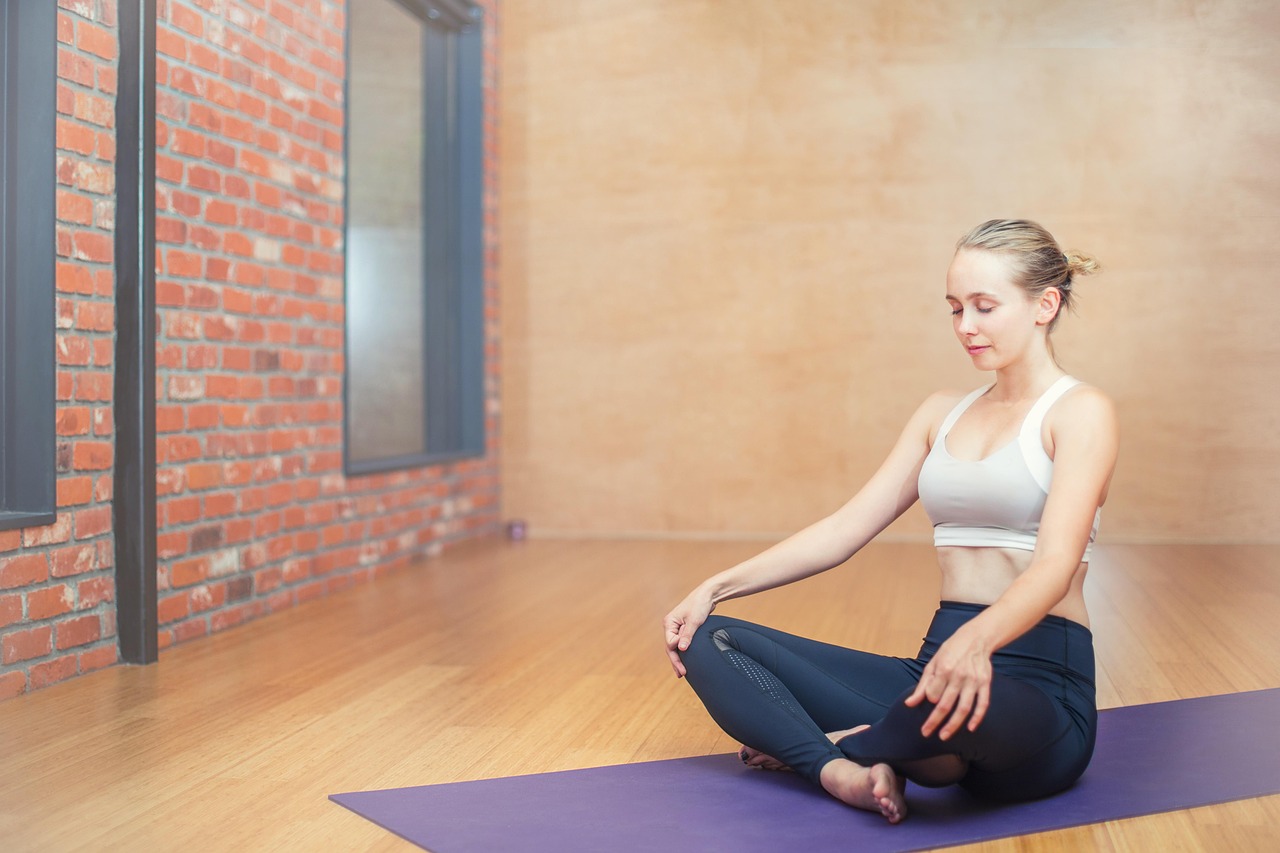

Daily Meditation Routines
Many women struggle to find time for self-care, especially when balancing work, family, and fitness. Incorporating a meditation routine can greatly enhance not only mental health but also physical well-being. A successful practice can be achieved in just a few minutes each day. By setting aside dedicated time, even the busiest woman can create a haven of mindfulness amidst chaos. Such routines can lead to improved focus and performance during workouts. For effective integration into your day, choose a regular time that works for your schedule, perhaps after a morning workout or just before bed. You can even experiment with different types of meditation, such as guided imagery or simply focusing on your breath. Utilizing meditation apps can simplify the process. Apps like Headspace or Calm offer specific routines tailored to busy lifestyles. Additionally, journaling can complement your practice, allowing you to process thoughts and feelings. Cultivating a consistent meditation routine can lead to profound changes in both mindset and physical condition, making it easier to achieve fitness goals and maintain emotional balance. Embrace the power of meditation and watch how it transforms your life.
Types of Meditation to Consider
There are several types of meditation that can be tailored to fit within a busy woman’s fitness schedule. Each style can help cultivate mindfulness and reduce stress. Mindfulness meditation encourages individuals to focus on the present moment. It can be practiced anywhere, making it incredibly convenient. Loving-kindness meditation involves fostering compassion towards oneself and others, which can be especially beneficial after intense workouts. Body scan meditation allows individuals to connect with their physical sensations, promoting relaxation and awareness of tension. Another popular form is transcendental meditation, which involves silently repeating a mantra. This can help clear the mind, boosting focus and concentration. Breathing exercises are practical and can be done in just a few minutes. For example, the 4-7-8 method encourages inhaling for four seconds, holding for seven, and exhaling for eight. These methods can fit seamlessly into a busy schedule. Remember, the best type of meditation is one that resonates with you personally. Experimenting with different techniques can reveal what best enhances your mental state and complements your fitness regime.
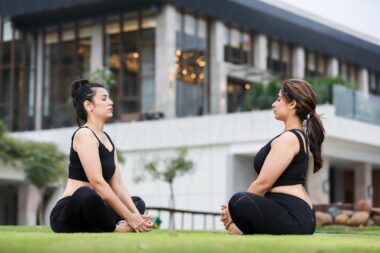
To maximize the benefits of your meditation practice, consistency is essential. Establishing a daily routine enhances its potency. A regular practice may include setting aside 5-10 minutes in the morning or evening. Start with shorter sessions and gradually extend the duration as comfort and proficiency grow. Utilizing audio resources can help guide you through the process, making meditation more accessible. Experimenting with various settings, such as using soft lighting or soothing backgrounds, can create a calming atmosphere conducive to mindfulness. Practicing outdoors, perhaps at a nearby park, can also enhance your experience. Nature sounds can be incredibly soothing and facilitate a deeper connection to the environment while meditating. Surrounding yourself with supportive companions can further boost motivation. Consider joining a meditation group or finding a friend to practice with, making the experience more enjoyable. This mutual encouragement can create a strong commitment to the practice, keeping both of you accountable. By embedding meditation into your daily routine, you not only care for your mental health but also pave the way for improved physical fitness. Explore various meditation methods to find what aligns with your lifestyle.
Combining Meditation with Exercise
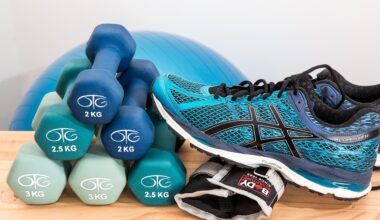
Integrating meditation into your fitness routines can yield remarkable benefits. Practicing mindfulness before or after workouts enhances overall performance and recovery. Pre-workout meditation helps to focus the mind, setting intentions for the session ahead. This mental clarity can lead to better engagement and results during exercises. Post-workout meditation, on the other hand, allows for reflection on efforts and sensations experienced during physical activity. This reflection promotes a greater awareness of your body’s responses, assisting in recognizing areas needing improvement. You might also choose to incorporate breathing exercises directly into your workout. For instance, coordinating breath with movement during yoga can enhance the experience. This practice cultivates a deep mind-body connection. Additionally, cooldown periods after intense training can benefit from meditation, promoting relaxation and muscle recovery. Allow yourself some time to breathe deeply and release tension in both mind and body. Remember to stay hydrated and nourished to support overall well-being. By harmonizing meditation with exercise, you create a fulfilling routine that nurtures both mental and physical health, ultimately leading to lasting wellness.
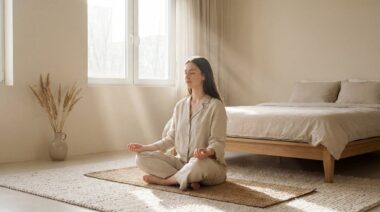
To enhance your meditation practice further, consider creating a specific environment that encourages focus and calm. Designate a corner of your home or a space outdoors that feels peaceful and inviting. Adding elements such as soft cushions, candles, or calming music can enhance the experience, allowing you to immerse yourself fully in the moment. Consistency across these environmental cues can signal your mind that it’s time to relax and focus. This space should inspire tranquility and be free from distractions. Establishing this area as your meditation zone reinforces the habit, making it easier to transition into a mindful state. Additionally, consider incorporating aromatherapy into your practice; scents like lavender or eucalyptus can help create a soothing atmosphere. Using essential oils in a diffuser may facilitate relaxation and enhance your overall experience. Ensure that your meditation practice evolves with your needs. Modify routines as necessary to prevent monotony and promote continued engagement. Seeking inspiration through various sources, such as books or podcasts about mindfulness, can offer new insights and deepen your journey. Your commitment will cultivate resilience and inner peace, enriching your life significantly.
Mindfulness in Everyday Activities
Developing mindfulness doesn’t have to be an isolated activity; it can be seamlessly woven into daily life. Engage in activities like cooking, cleaning, or walking to practice mindfulness. For instance, as you prepare meals, pay attention to the colors, textures, and scents of the ingredients. Such focused engagement can transform mundane tasks into opportunities for practice. While exercising, concentrate on your body’s movements, breathing, and rhythm, creating a mindful workout. Similarly, during household chores, use your senses to be fully present in each moment. Walking outside provides another chance for mindfulness. Observe the environment—the rustle of leaves, the warmth of the sun, or the sound of distant traffic. This ability to remain present fosters a deep connection to the world around you, enhancing emotional well-being. This immersion can make daily tasks feel less burdensome and more rewarding. Additionally, taking moments throughout the day for deep breaths can help center the mind. Keep adjusting activities to sustain your commitment to mindfulness within your busy life. This integration will further empower you in achieving your fitness and overall life goals.
Finally, remember that a journey toward mindfulness and meditation is personal and unique. Each woman’s experience will vary based on individual preferences, schedules, and lifestyles. Embrace the process without undue pressure to achieve certain outcomes. Set realistic goals for your practice that align with your daily life. Acknowledge that there may be days when finding time feels impossible—this is a typical experience for many women. What matters is re-establishing the routine when possible. Reassess and modify your practices as needed to ensure they remain meaningful and enjoyable. Engage with online communities or social media groups to share experiences and seek support from others undertaking similar journeys. Community can provide motivation and ideas for sustaining practices. Celebrate small victories along the way, such as successfully carving out a few uninterrupted minutes for meditation or noticing increased awareness during workouts. Over time, these small successes accumulate into transformational change. By prioritizing these moments of mental and emotional nourishment, women can achieve lasting wellness both within and outside the gym.