
Customizing Pilates Routines for Senior Fitness Levels
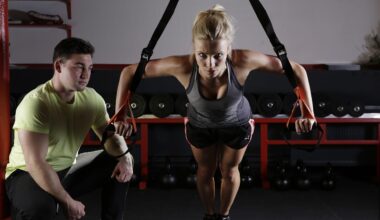
Pilates has become an increasingly popular exercise method for seniors due to its low-impact nature and focus on core strength. It promotes flexibility, strength, and balance essential for maintaining independence. However, each senior has different fitness levels and physical conditions requiring customized routines. Starting out, it’s crucial to assess an individual’s mobility, balance, and overall fitness level. Safe modifications can be made to accommodate issues such as arthritis or osteoporosis. Instructors should pay attention to the client’s posture, ensuring proper alignment while executing movements to prevent injuries. Incorporating props like resistance bands or small balls can aid in achieving correct form while adding an element of fun. Seniors should always warm up adequately before starting their session, preparing their joints and muscles. Staying hydrated is also vital during this practice. Furthermore, instructors must communicate openly with their clients, discussing any discomfort experienced during exercises, enabling real-time adjustments. Engaging in regular practices can enhance strength, flexibility, and overall well-being, providing seniors with the tools to maintain an active lifestyle long-term. Therefore, creating personalized Pilates routines not only fosters a safer environment but also a more enjoyable experience for seniors.
The benefits of Pilates for seniors extend beyond flexibility and strength. Improved mental clarity is one of the essential advantages of adopting a Pilates routine. As seniors engage in mindful movement, they can enhance cognitive function and memory. This is because Pilates emphasizes concentration and awareness, encouraging participants to connect their mind to their body throughout exercises. Additionally, practicing Pilates supports emotional well-being. By participating in social classes, seniors cultivate a sense of community and belonging, easing feelings of isolation often experienced in older age. The social interactions, combined with physical exercises, can significantly uplift mood and reduce symptoms of anxiety or depression. Moreover, tailored Pilates routines can help seniors manage conditions such as chronic pain, joint issues, or balance problems effectively. Targeting specific muscle groups fosters better control and stability, translating to improved everyday functionality. Offering varied classes that accommodate different fitness levels also ensures that everyone can participate safely and effectively. By fostering an environment where seniors feel valued and recognized, instructors can create a stronger community that promotes health and fitness through collaboration and shared experiences.
Safe Modifications for Seniors
When customizing Pilates routines for seniors, it’s important to focus on safe modifications that accommodate various fitness levels. Instructors should consider the unique needs of each participant, particularly those who may have prior injuries or chronic illnesses. Using props like foam rollers or cushions can aid in providing support during many exercises. For instance, when practicing the Hundred or leg stretches, a strap may assist in achieving a comfortable range of motion without straining. Additionally, exercises can be performed seated rather than on the mat, reducing pressure on joints while encouraging participation. Slow, controlled movements are crucial in ensuring safety, allowing seniors to focus on maintaining stability and balance. Furthermore, observing clients during their practice can help instructors identify those who may require additional help. Implementing encouragement and assurance of success can significantly boost participants’ confidence while improving their willingness to engage in challenging exercises. Ultimately, individualized adaptations empower seniors to participate actively while enhancing their overall experience. Lastly, periodic reassessments can help ensure that routines are still appropriate as participants progress and their abilities change over time.
Another significant aspect of customizing Pilates for seniors includes addressing their unique health concerns. Many older adults may suffer from conditions such as arthritis, diabetes, or osteoporosis, which requires special attention during their workouts. With arthritis, instructors may choose to avoid high-impact movements entirely, focusing instead on flexibility and mobility-based exercises that promote joint health. Moreover, for those managing diabetes, maintaining blood sugar levels during workouts is crucial, emphasizing the importance of pre-exercise nutrition and hydration. Special considerations are also necessary for individuals with osteoporosis; instructors must prioritize teaching safe postures and limit exercises that involve twists or flexion of the spine. It’s also essential to cultivate an awareness of any medications seniors may be taking which could affect performance or stamina. Regular communication between instructors and participants is vital, allowing for real-time feedback in ensuring safety and comfort. By creating an environment where seniors feel heard and understood, instructors can truly refine Pilates experiences to cater to individual needs, instilling confidence in their practice. Furthermore, these modifications can minimize risks, enriching the benefits of Pilates for senior participants.
Building Community Through Group Classes
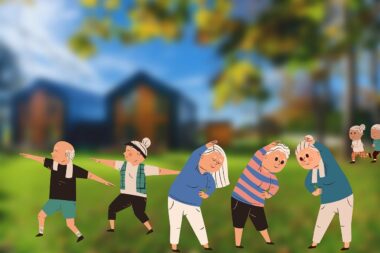
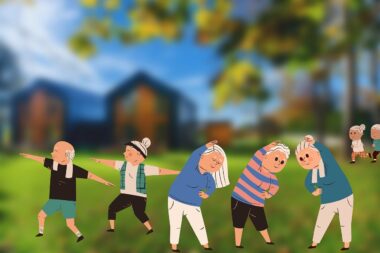
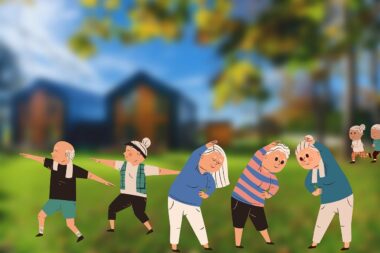
Group Pilates classes can provide an incredible opportunity for seniors to build a sense of community while working towards their fitness goals. Instructors play a pivotal role in creating an inclusive atmosphere where everyone feels welcome and motivated to participate. Senior-focused Pilates classes promote interaction, allowing participants to share their journeys and experiences with one another. These connections foster friendships that extend beyond the class, encouraging socialization and support. Engaging exercises encourage camaraderie, as seniors motivate each other while they stretch, strengthen, and balance together. Instructors are encouraged to incorporate partner or group work into their routines, allowing students to collaborate and explore movements in a supportive manner. This connection promotes accountability, as participants are encouraged to attend class and engage consistently. Additionally, incorporating fun elements like Pilates games or challenges can enrich the experience, making it enjoyable and fulfilling. The laughter and support among group participants translate to increased happiness and positivity within each class and foster an environment where seniors embrace fitness as a lifestyle. By nurturing social connections alongside physical health, seniors can achieve holistic wellness.
Consistency is crucial for seniors participating in tailored Pilates routines. Establishing a regular practice rhythm helps shape habits and contributes to overall improvements in strength, flexibility, and mental clarity. Instructors should work with clients to set realistic goals that are achievable, allowing seniors to see progress over time. These goals can range from mastering a specific exercise to attending a certain number of classes each month. Encouraging journaling can help seniors track their improvements, fostering a sense of accomplishment and motivation. Furthermore, variations in class styles can also be beneficial, providing alternative workouts that keep things fresh and enjoyable for participants. Instructors who highlight how every exercise connects to real-life movements encourage seniors to appreciate their practice and the functional benefits it delivers. To sustain motivation, instructors can regularly introduce new challenges and exercises, promoting a commitment to their routine. Ultimately, prioritizing consistency in Pilates not only maximizes results but also reinforces a sense of dedication to maintaining health and wellness. Celebrating milestones together fosters a culture of encouragement among participants, further solidifying their commitment to personal fitness journeys.
Conclusion
In conclusion, customizing Pilates routines for seniors offers numerous benefits that extend beyond physical fitness. Wells adjusted routines can enhance mobility, flexibility, balance, mental clarity, and emotional well-being. The importance of focusing on safe modifications, addressing health concerns, and nurturing community within group classes can enrich experiences for senior participants. By emphasizing effective communication and relationship building, instructors can create an inclusive environment, ensuring seniors feel heard and valued. As seniors embark on their fitness journey, it’s vital to prioritize consistency and set achievable goals, making it easier for them to track their progress and celebrate achievements. Supporting social connections is also key, providing emotional support alongside physical growth. Ultimately, the role of Pilates in senior wellness is profound, transforming not only their fitness levels but their overall quality of life. Encouraging seniors to remain active through tailored routines can empower them to lead fulfilling lives. Through the incorporation of customization, innovation, and genuine support, the Pilates community can flourish, continuously enhancing the lives of these valued participants. Embracing these principles lays the foundation for a healthier, happier future, affirming the enduring relevance of Pilates within senior fitness.
As they age, it’s essential that seniors engage in physical activities that support their overall health and help to maintain their quality of life. Pilates offers an excellent solution for older adults, fostering strength, flexibility, and coordination while promoting mind-body awareness. The ability to customize Pilates routines significantly contributes to the success of seniors in this exercise, allowing for adaptations that cater to individual needs and limitations. Through personalized attention and a focus on safety, instructors can create an environment where seniors feel encouraged and engaged in their practice. By utilizing props, modifying movements, and adjusting class formats according to participants’ preferences, instructors can help ensure successful outcomes for all seniors involved. This adaptability allows every individual to reap the advantages of Pilates, enhancing their physical wellness and overall quality of life. Furthermore, uniting seniors within group classes fosters a sense of community and belonging, promoting social interactions. As seniors share their experiences, they can inspire one another on their fitness journeys, thus motivating continuous participation. This collaborative approach ultimately expands the benefits of Pilates, making it an invaluable resource for maintaining health and wellness in older age.