Introduction to HIIT workouts. To achieve maximum effectiveness, warm-up and cool-down exercises are vital parts of any HIIT routine, ensuring that the body prepares and recovers properly. A well-designed warm-up facilitates the gradual increase of heart rate and blood flow to muscles. In this way, the muscles are primed for high-intensity efforts, reducing the risk of injury. Effective warm-up exercises include dynamic stretches like leg swings, arm circles, and torso twists. These movements improve flexibility and activate the muscles needed for vigorous activity. Similarly, cool-down exercises help bring the heart rate down gradually. They also assist in reducing muscle stiffness and soreness post-workout. Cool-down could consist of static stretching, focusing on major muscle groups engaged during the session. Post-workout, individuals should consider conducting stretches, such as quadriceps and hamstring stretches, to maximize the recovery process. Knowledge about adequate warm-ups and cool-downs empowers fitness enthusiasts to enhance their HIIT performance significantly. This holistic approach should never be overlooked. Embrace these phases as pivotal components of your regimen to yield superior results!
Key Benefits of Effective Warm-ups. By incorporating precise warm-up routines into your HIIT regimen, you not only prepare your body for intense workouts but also ensure a more engaging fitness experience. Effective warm-ups can significantly improve your overall performance by increasing blood flow and oxygen supply to your muscles. This process enhances your range of motion, which plays a pivotal role in executing high-intensity movements. Additionally, proper warm-up reduces muscle stiffness and prepares your mind for the intense session ahead. Achieving mental readiness is just as crucial; it helps in focusing your energy toward accomplishing your workout goals. Furthermore, well-executed warm-ups can also contribute to injury prevention. They elevate your body temperature, priming your muscles and joints for activity, reducing the likelihood of strains or sprains. Consider incorporating sport-specific movements as part of your warm-up, which can further aid in preparing your body for the specific demands of your chosen HIIT activities. A robust warm-up could consist of jogging, high knees, or even jumping jacks, tailored to your session’s intensity. Invest time in warming up, as this effort enhances both your safety and performance potential!
Essential Cool-down Techniques for HIIT. The cool-down phase is an equally important aspect to consider after your vigorous HIIT workout. Post-exercise, your body transitions back to its resting state; this helps ensure fast recovery and mitigates post-exercise soreness. Gradually decreasing your heart rate is crucial to prevent dizziness or fainting caused by an abrupt halt after high-intensity activities. Therefore, transitioning from your workout to a walk or light jog is highly recommended. Following that, focus on static stretching to lengthen the muscles that were engaged. Perform stretches that target the hamstrings, quadriceps, glutes, and hip flexors as these areas are often under significant tension after HIIT. Hold each stretch for approximately 15 to 30 seconds. Knowing that the goal of this phase is to promote flexibility and relaxation leads to better workout recovery. Furthermore, hydration post-workout, along with proper nutrition, accelerates your body’s restoration process. Success in fitness is as much about recovery as it is about exertion. Balance your high-energy sessions with deliberate cool-downs to reap comprehensive benefits!
Incorporating Mobility Exercises into Warm-ups. When it comes to warm-ups for HIIT workouts, incorporating mobility exercises is essential for enhancing flexibility and functional movement. These exercises emphasize joint health and increase the range of motion throughout your body. Key movements like hip circles, shoulder rolls, and ankle bounces should be integrated into your pre-workout routine to prepare both joints and muscles. These movements warm up your entire body, making it more pliable for high-intensity action. Consequently, improved flexibility can lead to better performance during HIIT sessions as you can move fluidly between different exercises. Mobility drills are effective for injury prevention, enabling joints to perform efficiently without strain. Consider using a foam roller as part of your mobility-focused warm-up to release muscle tightness. This practice enhances blood circulation while aiding recovery. The enhanced mobility allows athletes to transition seamlessly between workout movements, providing a significant advantage. Prioritize mobility alongside dynamic warm-up exercises for optimal results. Building a strong foundation of movement will set you up for greater success and fewer injuries during intense training.
The Role of Breath Control in Warm-ups. A fundamental yet often overlooked aspect of warm-up routines is the importance of breath control. Proper breathing techniques can significantly enhance your exercise performance during HIIT workouts. Focusing on inhalation and exhalation helps optimize oxygen delivery to your muscles while simultaneously calming your nervous system. Initiating your warm-up with breath awareness can prepare your body internally for the physical challenge ahead. Establishing a rhythm in your breathing can improve your focus and mental clarity. It also ensures a steady oxygen flow, which is crucial for sustained energy levels during high-intensity exercises. Concentrate on inhaling deeply through the nose and exhaling through the mouth to activate your diaphragm effectively. This controlled breathing technique should complement your dynamic warm-up movements. Combining breath control with your warming-up can elevate your sessions to new heights. A mindful approach aids in enhancing your overall workout efficiency and in managing intensity levels during HIIT. A basic understanding of breath control can transform your fitness experience profoundly. Start now to derive more from your intense workouts consistently!
Static Stretches for Effective Cool-down. Following your HIIT workout, static stretches are indispensable for achieving optimal recovery and flexibility. The cool-down segment aims to gradually lower your heart rate while promoting relaxation in overworked muscles. Select stretches that specifically target muscles heavily exerted during your workout, including quadriceps, hamstrings, and calves. Holding each stretch for at least 15 to 30 seconds produces effective results as it enables the muscles to lengthen and recover properly. Through these stretches, lactic acid buildup can be alleviated, significantly reducing muscle fatigue and soreness post-workout. Recognize that this phase is not just about stretching; it’s about reconnecting with your body and helping it return to its resting state. The benefit of incorporating deep breathing while stretching cannot be overstated. Engaging in mindful breathing techniques aids in further relaxation. Utilizing props such as yoga straps may enhance your ability to hold certain stretches more effectively. Your cool-down should conclude with gentle stretches that ease any remaining tension. Introducing static stretches into your HIIT routine offers lasting benefits that support ongoing peak performance.
Nutrition Post-HIIT: The Final Step in Recovery. Post-workout nutrition plays a pivotal role in recovery after HIIT sessions. Following intense exercise, your body needs specific nutrients to restore energy and promote muscle repair. Focus on consuming a balanced meal containing a mix of protein, healthy fats, and carbohydrates ideally within the hour. Protein-rich foods, including lean meats, eggs, or plant-based alternatives, are essential for repairing muscle fibers broken down during HIIT. Complement with healthy fats and complex carbs like whole grains or fruits for effective recovery. Hydration should not be neglected; drinking water or electrolyte-rich beverages aids in replenishing fluids lost during intense workouts. Even a recovery shake can serve as an excellent post-workout nutrition option, providing an easy way to achieve your nutrient needs. Remember that proper nutrition is equally important as workout intensity. Taking time to refuel allows your body to prepare correctly for upcoming training. Neglecting this essential recovery step could hinder your fitness progress. Ensure your body receives the nutrition it needs to recover fully and remain ready for future high-intensity challenges.
Understanding Muscle Recovery Mechanics. It is crucial to comprehend the mechanics driving muscle recovery in relation to warm-ups and cool-downs. During high-intensity workouts, muscles experience micro-tears, which can lead to soreness if not adequately prepared or recovered. The warm-up phase helps increase blood flow, delivering essential nutrients to damaged muscle tissues. In contrast, the cool-down phase enhances the body’s ability to eliminate toxins and restore glycogen levels. Furthermore, understanding the significance of proper rest intervals can also contribute to optimal recovery, equipping the body with the necessary tools for subsequent HIIT workouts. Immersion in this scientific understanding may motivate individuals to value warm-ups and cool-downs actively. Take the time to educate yourself on muscle recovery mechanics, and you will likely notice improvements in workout performance and longevity. Incorporating this knowledge into your routine ensures that injuries remain minimal while maximally enhancing your athletic capabilities. Recovery is an art that ultimately plays a significant role in long-term fitness goals. By recognizing the interplay between exercise, nutrition, and rest, you lay the groundwork for a successful and sustainable training regimen.
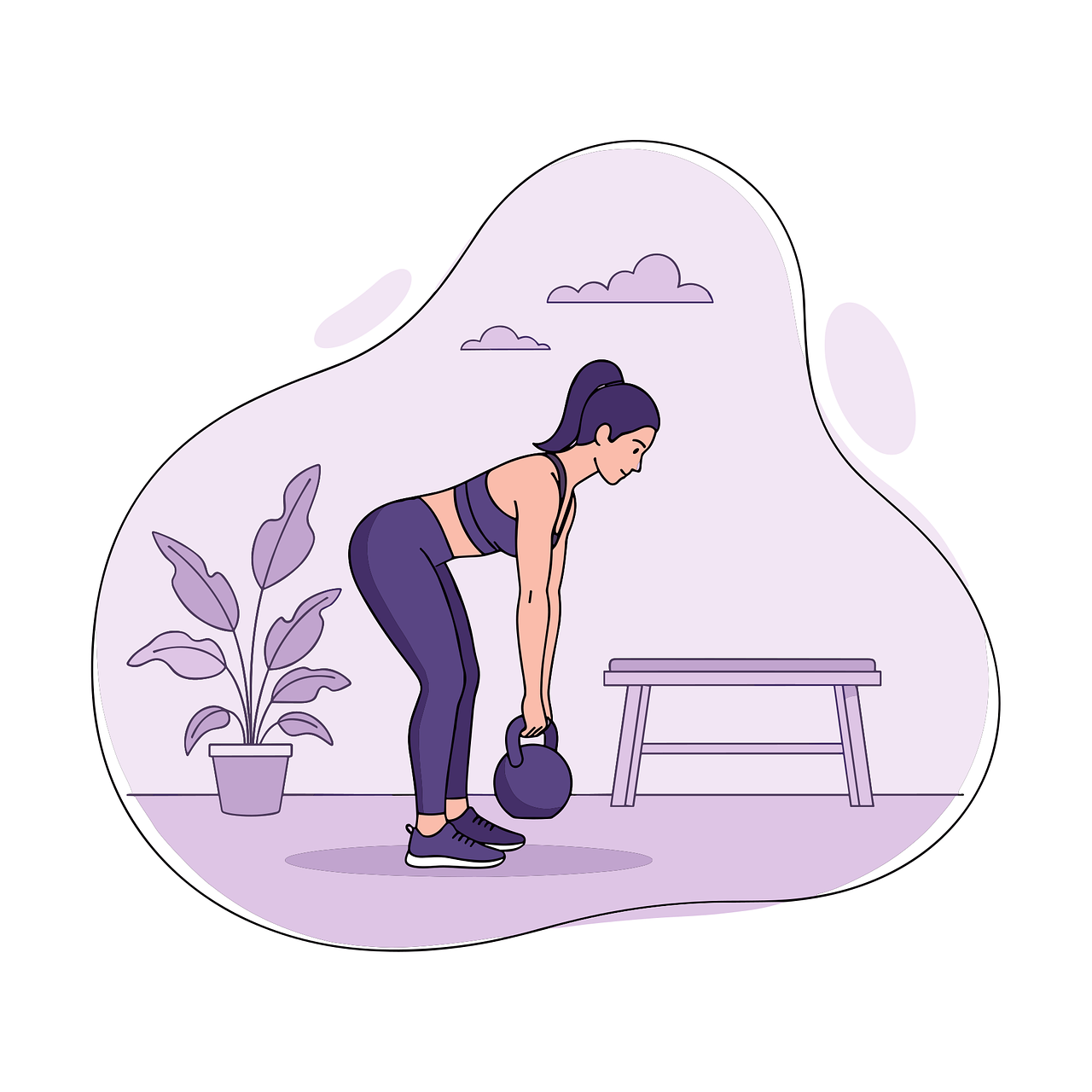
The Best Warm-up and Cool-down Exercises for HIIT Workouts