
Nutrition Tips to Support Your Functional Fitness Challenge Goals
Nutrition is a pivotal element in achieving functional fitness challenge goals. It fuels your workouts and aids recovery. To maximize performance, focus on a balanced diet rich in macronutrients: proteins, fats, and carbohydrates. Each plays a unique role in the body. Proteins help repair muscles; fats provide long-term energy; carbohydrates fuel high-intensity workouts. Aim to incorporate lean proteins such as chicken, turkey, beans, and legumes into your meals. Eating whole grains like brown rice, oats, or quinoa offers sustained energy. Healthy fats can be sourced from avocados, nuts, and olive oil. Also, keep in mind the importance of hydration; remember to drink plenty of water throughout the day. It keeps you energized and is vital for overall health. Meal prepping can make it easier to stay on track, ensuring you’re eating nutritious meals instead of junk food. Consider using a methodical approach to your meals, planning adequately for the week ahead to avoid last-minute unhealthy options. Implementing these nutritional strategies will elevate your performance in functional fitness challenges, helping you achieve your desired results.
In addition to balanced macronutrients, timing your meals can significantly impact your performance. The timing of nutrient intake can either boost or hinder your fitness achievements. Before workouts, having a small meal high in carbohydrates and moderate in protein promotes energy efficiency. An example could be Greek yogurt with fruit or a smoothie. This meal should be consumed about 30 minutes to an hour before training to allow your body to properly digest and convert it into usable energy. Post-workout nutrition is equally critical. Consuming protein after exercise aids muscle recovery and helps combat fatigue. Aim for a meal or snack within an hour post-workout that consists of protein and carbohydrates. Ideal post-workout choices include protein shakes, turkey sandwiches, or a wrap with veggies. Pay attention to your body’s signals as well. If you’re feeling lethargic or fatigued, reassess your nutrition to ensure you are adequately fueling your workouts. Listen to your body’s needs, and adjust your intake accordingly. This responsive approach will lead you to optimum energy levels to conquer your functional fitness goals.
Focus on Whole Foods
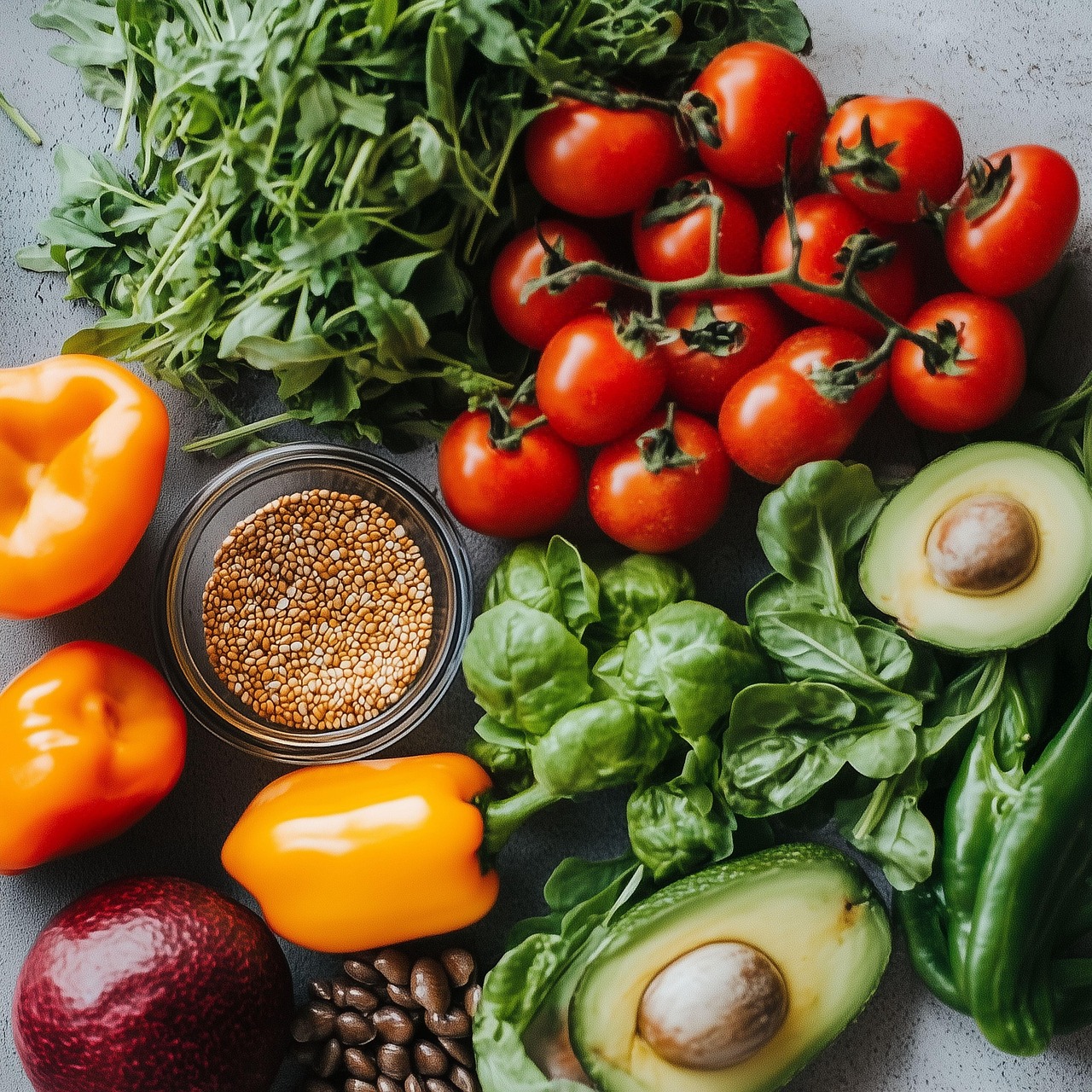
Emphasizing whole foods is a game-changer in your nutrition. Whole foods are minimally processed and retain their nutritional value, which supports your fitness endeavors effectively. Examples of whole foods include fruits, vegetables, lean meats, whole grains, and nuts. These foods are packed with essential vitamins and minerals that your body requires, especially during intense training periods. Incorporating a wide variety of colorful fruits and vegetables can enhance your antioxidant intake, vital for battling exercise-induced oxidative stress. Antioxidants help in reducing inflammation and speeding up recovery. Consider colorful berries, leafy greens, or citrus fruits as frequent additions to your meals. Moreover, aim to cook your meals at home when possible. Preparing your food allows you to control portions and quality. Mealtime can also become an opportunity to craft dishes that excite your palate and sustain your motivation on this fitness journey. Rather than resorting to convenient fast food options, create your healthy alternatives. Embracing whole foods makes it easier to build nourishing meals that support your functional fitness challenge objectives.
Prioritizing micronutrients is equally essential in supporting your functional fitness goals. Vitamins and minerals, while required in smaller quantities, play crucial roles in bodily functions. A lack of micronutrients can lead to weaknesses that hinder optimal performance. Prioritize consuming ample fruits and vegetables, as these are rich in vital micronutrients. Aim for diversity to cover a broad spectrum. Dark leafy greens such as kale and spinach provide iron, which is critical for oxygen transport in blood. Citrus fruits are excellent sources of vitamin C, which supports immune function. Incorporate foods rich in magnesium like nuts and seeds to help muscle health and recovery. If your diet might lack diversity, consult with a healthcare provider regarding supplementation options. However, aim to derive your vitamins and minerals primarily from food sources first. Habitually checking labels can guide you on nutrient-packed choices that align with your goals. This method allows you to make informed decisions for enhancing your overall performance. By focusing on adequate micronutrient intake, you’re setting the foundation for achieving your functional fitness challenge goals more effectively.
Don’t Forget Healthy Snacks
Snacking plays a crucial role in maintaining energy levels throughout your functional fitness routine. Healthy snacks can bridge the gap between meals and stave off hunger. Opting for nutritious snacks helps keep blood sugar stable and reduces the chances of overeating later. To achieve this, focus on protein and fiber-rich foods, which are more satisfying and will help sustain energy. Some effective snack ideas include homemade protein bars, fruit with nut butter, or baby carrots dipped in hummus. Each of these choices provides both replenishment and nutrition. Additionally, portion control is vital even with healthy snacks. Prepare snacks in advance and store them in pre-measured containers. This strategy prevents impulsive, larger servings that can counteract your fitness goals. Keep snacks easily accessible post-workout or during the day to aid in energy recovery. Maintaining a consistent snacking schedule allows you to stabilize energy fluctuations. Snacking also offers the opportunity to incorporate healthy ingredients that might otherwise be neglected, encouraging a diverse nutrition profile conducive to achieving your functional fitness challenge outcomes.
Understanding the significance of psychological strategy regarding nutrition can prove beneficial in functional fitness challenges. Nutritional habits are often intertwined with thoughts and emotions. Therefore, cultivating a balanced mindset about your dietary choices helps maintain a sustainable approach. Allow yourself the flexibility to enjoy occasional treats without guilt. Emotional restrictions can lead to binge eating or feelings of deprivation. Practice mindful eating by focusing on the flavors and textures of your food, enhancing your satisfaction. This practice encourages a better relationship with food, reinforcing positive habits. Meal planning aimed at balancing both nutritious meals and occasional indulgences paves the way for successful dietary adherence. Tracking your food intake using an app can also highlight eating patterns, helping you identify potential adjustment areas. Set realistic goals that are specific, measurable, achievable, and time-bound (SMART). Celebrate small victories to encourage ongoing commitment. By fostering a healthy concept surrounding food choices and eating behaviors, you align your mind positively with your functional fitness aspirations. This harmonious approach will better equip you for meeting your fitness challenge goals efficiently.
Conclusion
In summary, the synergy between nutrition and functional fitness challenges plays a critical role in pursuing health goals. By focusing on a well-rounded diet rich in diverse foods, you can fuel your workouts and enhance recovery. Timing your meals right, emphasizing whole foods, and prioritizing micronutrients establish a solid nutritional foundation. Incorporate healthy snacks to maintain energy levels while allowing flexibility in treats to foster a balanced relationship with food. Understanding the psychological aspect of your eating habits can promote adherence to your nutritional goals, paving the path toward functional fitness success. Regularly reassess your food choices and adapt to your body’s changing needs, ensuring you stay nourished throughout your journey. Consulting with nutrition experts may also provide personalized approaches that align with your specific fitness challenges. By engaging strategically in your food plan, you develop a supportive lifestyle that empowers your progress. Ultimately, sustained adherence to these nutrition principles can significantly enhance performance and health, elevating your functional fitness outcomes. Commit to these practices today for a healthier tomorrow and to optimize your capacity for achieving great results.
Consistency in applying these nutritional strategies will foster lasting benefits. By continuously evaluating and adjusting your diet, you can enhance your physical readiness and performance in functional fitness challenges. The cumulative effect of these practices not only aids in achieving your immediate fitness goals but also promotes long-term health and well-being. It’s essential to remain adaptable and responsive to your body’s signals as you navigate through your fitness journey. Rewards and achievements can serve as motivation, but prioritize sustainability in your choices to avoid burnout. Establishing engaging meal plans that align with your preferences and lifestyle ensures you’re enjoying the process. The idea is to create nourishment as a positive experience, leading to real transformations in performance and fitness capacity. Keep your goals in sight, and leverage the tools at your disposal—like meal prepping, mindful eating, and nutritional education. These strategies collectively support your journey while fostering better health habits in the long run. As you advance in your functional fitness challenges, remember to celebrate your progress, no matter how small. With determination and thoughtful nutritional choices, you can achieve remarkable success that extends beyond fitness challenges.