
Foam Rolling and Mobility Drills to Aid Weightlifting Rehabilitation
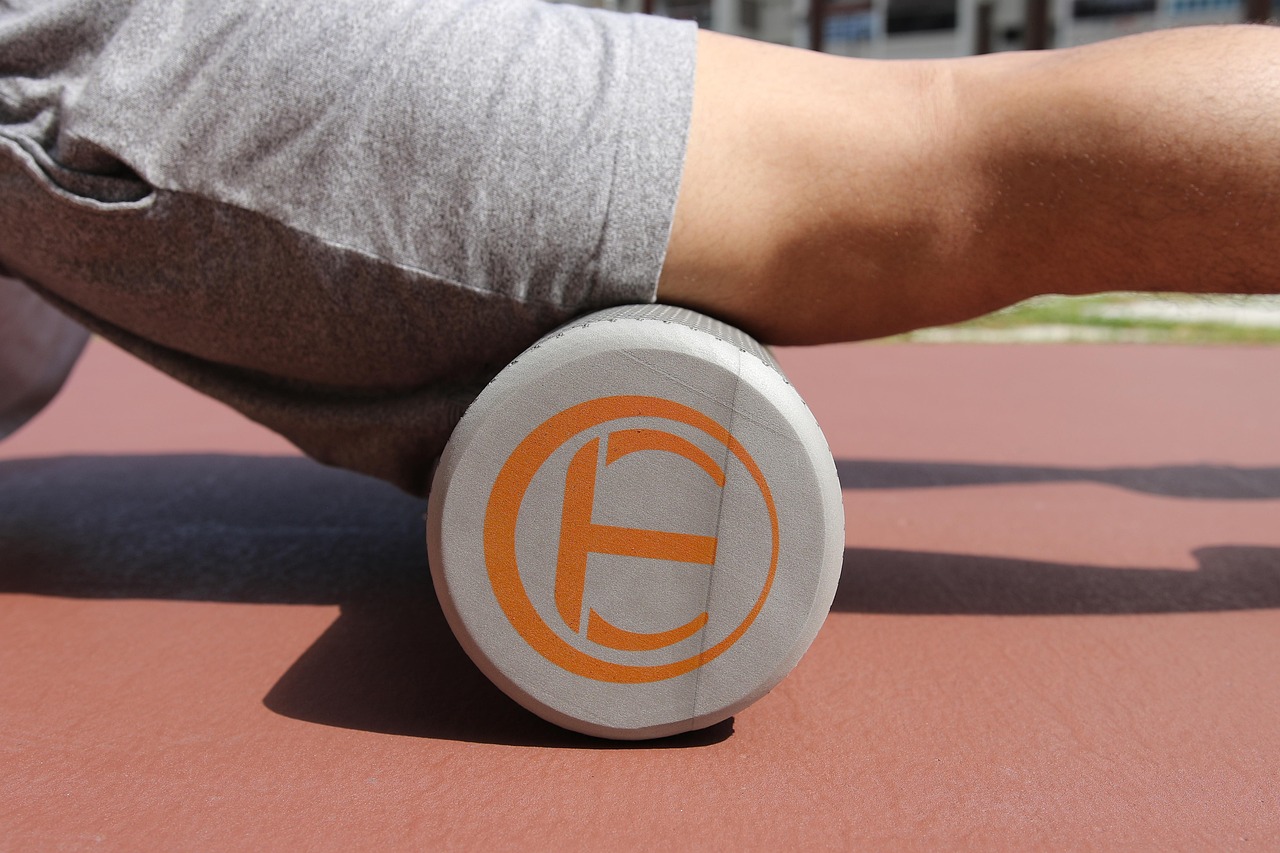
Foam rolling is an effective method to aid in the rehabilitation of weightlifting injuries. By simply lying on a foam roller and strategically positioning the body, various muscle groups can be targeted to relieve tension. This process enhances blood flow, increases flexibility, and facilitates recovery. In particular, foam rolling focuses on the fascia, which surrounds muscles, preventing tightness and promoting mobility. To maximize benefits, incorporate foam rolling into your regular routine before and after weightlifting sessions. Maintain a steady pressure and roll slowly over tight areas, holding for 20 to 30 seconds, allowing the muscle fibers to release tension and help you regain your range of motion. Consider different types of foam rollers, such as those with textures that penetrate deeper into muscle tissues. Also, always listen to your body; it may require adjustments in technique or intensity based on your comfort. Remember, foam rolling is a complementary practice that should be combined with other rehabilitation methods to achieve the best outcomes. Consistency is key to successful rehabilitation in weightlifting, helping you return to your favorite lifts sooner.
Following foam rolling, mobility drills play a pivotal role in ensuring effective rehabilitation for weightlifters. Mobility exercises not only enhance joint function but also improve functional movement patterns. For weightlifters, focusing on hip, ankle, and shoulder mobility is essential. Incorporate exercises such as hip circles, ankle dorsiflexion stretches, and shoulder dislocates using a band or broomstick. These drills can be performed daily, aiming to maintain and even improve your joint range of motion. It is crucial to perform each drill mindfully, ensuring the movement is controlled and not rushed. Engage the core muscles to stabilize your body during these stretches. Mobility work can help reduce the risk of future injuries by reinforcing proper biomechanics in lifts. Consistently integrating these drills into your warm-up and cool-down routines can lead to significant improvements over time. When completed in conjunction with foam rolling, mobility drills provide a more comprehensive approach to rehabilitation. Furthermore, documenting your progress in flexibility and range of motion can motivate and guide your routine as you move towards lifting heavy again, paving the way to achieving your goals safely.
Understanding the Importance of Soft Tissue Release
Soft tissue release is critical in rehabilitation from weightlifting injuries, as it addresses muscle imbalances and tension. Foam rolling effectively breaks up adhesions and knots in muscle tissue, contributing to long-term recovery strategies. By applying pressure to specific areas, you stimulate the surrounding tissue to relax and adapt to stress. In addition to foam rollers, consider using massage balls for targeted relief to smaller, hard-to-reach muscle groups. Typically, areas like glutes, calves, and shoulders can benefit greatly from this targeted approach. Balancing foam rolling and soft tissue work with adequate rest and nutrition ensures that muscles repair efficiently. To achieve optimal results, incorporate these techniques into a holistic recovery regime that includes strength conditioning and stretching. Within weeks, you may experience improved performance due to better mobility and reduced pain during lifts. Always remember to consult a healthcare professional for individualized guidance in treatment. Over time, focusing on soft tissue rehabilitation ensures that injuries remain less frequent or severe. Staying proactive in your rehabilitation journey leads to enhanced weightlifting longevity and enjoyment in the sport.
Setting specific goals is critical when integrating foam rolling and mobility drills into your rehabilitation routine. Start by assessing your current mobility limitations and pain levels, giving you a clear baseline from which to progress. Track your improvements periodically to help motivate you and ensure your techniques are effective. For example, note how your range of motion has changed over time as you consistently incorporate foam rolling and mobility drills. Additionally, create a timeline leading up to your next weightlifting event to help prioritize specific areas that need attention. With sections focusing on underperforming or painful areas, tailoring your rehabilitation can lead to effective use of your time. Documenting your experiences allows for reflection on what works best for you. You may even want to explore different rolling techniques or mobility exercises. Seeking feedback from friends or trainers can provide insights you might not see on your own. This focus on personalized goals generates a sense of accountability and leads to more disciplined practice, increasing the potential for lasting improvement in your weightlifting journey.
Incorporating Stretching for Flexibility
In your weightlifting rehabilitation program, stretching should complement foam rolling and mobility drills. Effective stretching techniques improve muscle flexibility and support overall movement quality. Consider incorporating dynamic and static stretching exercises into your routine to achieve balanced results. For instance, before weightlifting sessions, emphasize dynamic stretches that warm up muscles and prepare them for exertion. After workouts, static stretches are ideal for cooling down and reducing tightness. Hold each static stretch for 15 to 30 seconds for optimal results, targeting all major muscle groups. Stretching helps lengthen muscle fibers, which can alleviate discomfort from weightlifting injuries over time. You may also experiment with yoga-based stretches to enhance overall flexibility and balance. Consistency in stretching provides a cumulative effect which can greatly benefit recovery. Always pay attention to your body’s signals while stretching, adjusting as necessary to prevent discomfort. Incorporate new stretches gradually to maintain interest in your rehabilitation routine while continuously progressing. This blend of techniques creates a comprehensive approach to weightlifting rehabilitation, increasing your overall effectiveness.
Furthermore, cross-training can enhance your rehabilitation journey, providing variety and reducing the risk of delayed recovery. Engaging in different sports, such as swimming or cycling, allows you to maintain fitness without putting too much stress on your recovering muscles. Such activities promote cardiovascular health while enabling your body to recover from specific weightlifting injuries. When cross-training, focus on low-impact exercises that complement your strength training goals. For instance, swimming engages various muscle groups, improving flexibility and strength without the high impact of traditional weightlifting. Additionally, activities like Pilates can help develop core strength and stability, boosting your lifting capabilities upon return. Always consult a qualified trainer or healthcare professional to design a well-rounded and balanced cross-training program that accommodates your rehabilitation. Gradually increasing intensity ensures you can transition back into heavier weightlifting more effectively. This transition promotes a lighter training load as you recover but maintains muscle engagement during this critical phase. Ultimately, cross-training contributes positively towards ensuring sustainable lifting practices and injury-free performances.
Final Thoughts on Rehabilitation
In conclusion, rehabilitation for weightlifting injuries necessitates a multifaceted approach that encompasses foam rolling, mobility drills, stretching, and cross-training strategies. Each component plays a crucial role in restoring your body to its healthy state and enhancing your overall strength. By implementing these practices into your routine, you can prevent future injuries and promote optimal performance in weightlifting while enjoying the process. Be sure to monitor your body’s response to each method and adjust your program as needed, ensuring it aligns with your personal recovery goals. Remember, gradual progress is key in rehabilitation, as pushing too hard can exacerbate existing issues and hinder recovery timelines. Incorporate rest days as needed, allowing your muscles the time to heal and rebuild. Additionally, seeking professional guidance from physical therapists or trainers can enhance understanding and provide tailored recommendations. A well-structured rehabilitation journey not only focuses on pain alleviation but also celebrates milestones of strength and flexibility regained. Let these practices guide you toward achieving safe and successful weightlifting while ensuring longevity in the sport. Your health and performance will undoubtedly benefit from thorough consideration and dedication to your rehabilitation process.
Embarking on a comprehensive rehabilitation process requires dedication and patience. Make sure to integrate all aspects discussed for optimal results. Reward yourself with small achievements and set realistic expectations as you navigate through recovery. Using foam rolling and mobility drills not only enhances your physical abilities but also empowers you mentally. Adopting a proactive attitude towards rehabilitation enables incorporating exercises into your daily routine effectively, significantly reducing the risk of falling back into previous injury patterns. Acknowledging the foundational role of foam rolling and mobility drills alongside other complementary practices paves the way for healthier lifting habits. Remaining consistent, open to adjustments, and understanding the importance of time in the recovery process will greatly benefit your weightlifting career in the long term.