
Best Practices for Combining Pelvic Floor Exercises with Postpartum Fitness
Postpartum fitness is an essential aspect of a new mother’s journey towards regaining strength and health. One key element often overlooked is the significance of pelvic floor exercises. The pelvic floor consists of a group of muscles that support the bladder, uterus, and rectum. After childbirth, these muscles may become weakened due to various factors. Thus, understanding how to effectively integrate pelvic floor exercises within a postpartum fitness regimen is vital. It is crucial for mothers to start with gentle movements that can gradually rebuild strength without causing any strain. Listening to one’s body is paramount, ensuring that any discomfort is addressed promptly. Additionally, utilizing resources such as personal trainers specializing in postpartum fitness can greatly enhance the experience. If professional guidance is not available, extensive online resources provide illustrations and videos to help with form. Emphasizing the breath during these exercises can also aid in better relaxation and muscle engagement, which can lead to better outcomes.
To effectively strengthen the pelvic floor, practicing exercises consistently and combining them with other fitness activities is essential. Performing these workouts with proper form is extremely important to prevent injuries. Simple exercises such as Kegel, bridge, and squat variations can be easily incorporated into daily routines. New mothers can perform Kegel exercises discreetly throughout a busy day. To perform a Kegel, simply tighten the pelvic floor muscles, hold for a few seconds, and release. Additionally, pelvic tilts can engage deeper core muscles while simultaneously supporting pelvic health. It is advisable to start these movements during the early postpartum phase, ideally after six weeks post-delivery, once cleared by a healthcare professional. Consulting with a physiotherapist specializing in women’s health can be advantageous, providing personalized routines to adapt as fitness levels improve. Moreover, joining a community class focused on postpartum fitness can motivate and encourage mothers to stay consistent with their exercises. Therefore, adopting a holistic approach that includes pelvic floor strengthening enhances overall well-being and recovery during the postpartum period.
Importance of Mindful Movement
Mindfulness plays an important role when practicing pelvic floor exercises in tandem with postpartum fitness routines. Focusing on breath and movement can enhance the effectiveness of workouts and improve the connection between the mind and body. This mindfulness can lead to a more positive workout experience, allowing women to engage more effectively with their workouts. Incorporating yoga or Pilates into the mix can also promote mindfulness while strengthening the pelvic floor. By focusing on precise movements, women can better understand their bodies and identify areas needing improvement. Additionally, slow, deliberate movements during exercising may reduce the risk of injury while also ensuring that the correct muscles are being targeted. Regular check-ins with oneself and how the body feels can help maintain a safe and effective exercise regimen. Sharing experiences and progress with fellow new mothers can create a supportive environment, facilitating discussions around challenges faced during post-birth recovery. Using tools like fitness journals can track progress and set realistic goals, enhancing overall accountability and commitment to maintaining pelvic and core health.
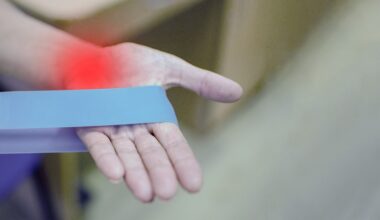
A key factor in successful pelvic floor exercise integration is setting realistic goals. Aiming for small, achievable milestones can prevent feelings of overwhelm and frustration, which can derail motivation. These goals can be daily, such as doing a specific number of Kegel exercises, or weekly, like gradually increasing the duration or difficulty of workouts. As mothers become more comfortable with these movements, they may find themselves equipped to advance to more complex exercises that further support core stability and pelvic strength. Building endurance in the pelvic floor can take time, and patience is essential. Incorporation of strength training can also complement pelvic exercises, as stronger abdominal and back muscles ensure better overall stability. Ideal exercises could include modified lunges or resistance band work, adjusting as needed based on fitness level. Therefore, mothers should strive for balance in their fitness routines, integrating various elements that contribute to core strength and pelvic support. Additionally, establishing a schedule can be beneficial, allowing for consistency and ensuring that workouts are incorporated into a busy lifestyle.
Seeking Professional Guidance
For many new mothers, seeking guidance from experienced fitness professionals can make a significant difference. Personal trainers with a specialization in postpartum exercise can help tailor workouts that not only fit individual needs but also support pelvic floor recovery. They can provide essential feedback on exercise execution, helping prevent any potential injuries that may arise from improper form. In addition, healthcare providers such as physical therapists focusing on women’s health can assess pelvic floor conditions and recommend appropriate exercises based on comprehensive evaluations. This professional guidance ensures that mothers engage in safe practices, maximizing both recovery and fitness developments. Also, participating in postpartum fitness classes led by certified instructors can foster a sense of community, allowing mothers to share their experiences and learn together. This collaborative environment can be encouraging and inspiring, increasing long-term dedication to health and fitness journeys. Thus, professional support can guide individuals through challenges and triumphs, enabling new mothers to reconnect with their bodies positively while enhancing their overall wellness.
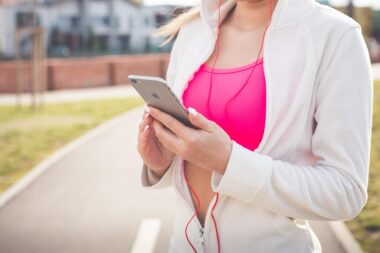
Incorporating technology into postpartum pelvic floor routines can offer added support and motivation. Numerous apps are designed to help women track their exercise routines, monitor progress, and receive reminders to maintain consistency. These resources can provide tailored pelvic floor workouts specifically for postpartum recovery needs. Additionally, wearable fitness trackers can monitor various aspects of physical activity, heart rate, and overall well-being, allowing women to gauge their improvements visually. Video platforms also have an abundance of content demonstrating pelvic floor exercises combined with postpartum fitness regimens. By accessing these resources, mothers can discover new techniques and seek guidance from experts in the field. Furthermore, community forums within these apps can foster connections among mothers, enabling them to share successes and challenges while building a support system. Utilizing technology adds an engaging element to fitness routines and helps maintain motivation. Building a routine with the assistance of technology can advance both physical fitness and mental health, which are crucial during the postpartum period, reinforcing the importance of self-care during this time.
Final Thoughts on Pelvic Floor Exercises
Ultimately, maintaining pelvic health is vital for all postpartum women. A comprehensive approach combining pelvic floor exercises within a broader fitness regimen not only promotes recovery but also enhances quality of life in various ways. These exercises are not merely about strengthening muscles but also play an essential role in preventing conditions such as incontinence and pelvic organ prolapse. Therefore, embracing pelvic floor workouts and integrating them into regular fitness routines can yield profound benefits in the long term. Consistency, mindfulness, goal-setting, and seeking professional support are all crucial components for success. Celebrating small successes along the way can boost motivation and self-esteem. Plus, engaging in activities alongside other new mothers can provide the encouragement needed to persist in this critical aspect of postpartum recovery. By prioritizing pelvic floor health and integrating appropriate exercises, women can rediscover strength, build confidence, and ultimately enjoy a smoother transition into motherhood, enhancing both personal well-being and life with their newborns.