
The Role of Machine Learning in Injury Prevention Gadgets
Injuries are common in various sports and fitness activities. However, with the advent of machine learning technologies, the landscape of injury prevention has started to change dramatically. Fitness gadgets that incorporate machine learning algorithms are now able to analyze users’ movements and predict risk factors associated with injuries. These devices utilize advanced patterns and trends in physical activity to learn what constitutes normal and abnormal movements. By understanding these variations, they can alert users when their biomechanics appear flawed. This proactive approach helps mitigate overuse injuries and accidents. Additionally, these gadgets can tailor exercises based on individual performance metrics. This personalization is significant because it encourages safer practices, especially for novice athletes or individuals recovering from previous injuries. Machine learning not only helps improve performance but also contributes to overall well-being by reducing the likelihood of injuries. Users can track their progress and receive immediate feedback on their form and technique, fostering a more informed fitness journey. As technology progresses, the future of injury prevention gadgets looks promising, as they continue to evolve in sophistication and effectiveness.
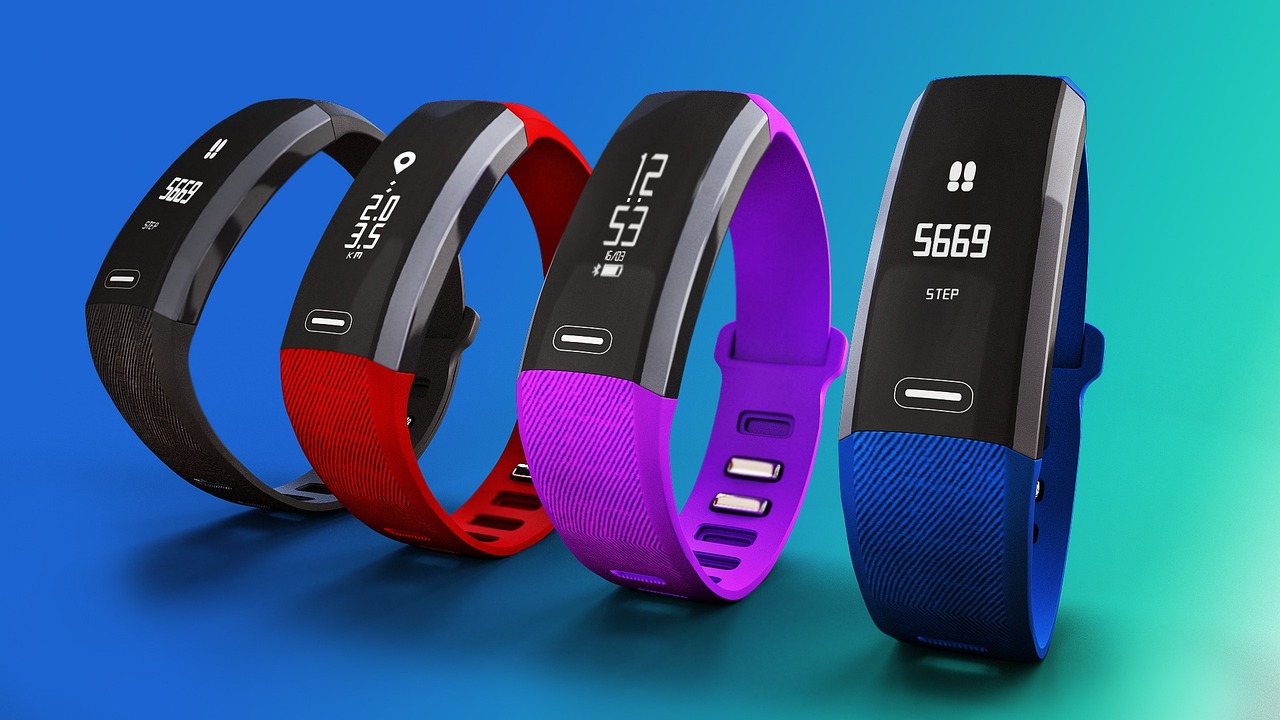
One of the key advantages of machine learning in fitness technology is its ability to continuously learn and adapt. Unlike static algorithms, machine learning models can analyze vast amounts of data over time. This means that the more a user interacts with the device, the more accurate its predictions and recommendations become. For instance, consider a wearable fitness tracker that monitors a user’s daily activity levels, heart rate, and even sleep patterns. By employing machine learning, this device can identify trends that indicate potential risk factors for injury. Such insights empower users to adjust their routines accordingly. Furthermore, these gadgets can cross-reference data from multiple users to recognize common patterns related to injuries. By collecting data from diverse demographics, machine learning algorithms can develop a comprehensive understanding of various risk factors that affect different individuals. This capability fosters a community-oriented approach to health, where shared data leads to better injury prevention strategies. Adopting these technologies not only enhances athletic performance but promotes a safer environment for all fitness enthusiasts and athletes alike.
Challenges in Implementing Machine Learning
Although the benefits of machine learning in injury prevention gadgets are substantial, there are challenges in their implementation. One major issue is the quality and quantity of data required for effective learning. A machine learning model is only as good as the data it processes. If the dataset is limited or biased, the predictions can be inaccurate. Fitness companies must invest in expansive datasets that encompass diverse physical attributes and exercise routines to ensure comprehensive risk assessment. Moreover, privacy concerns regarding data collection present additional hurdles. Users may be hesitant to share their personal health data, fearing misuse or potential breaches. Therefore, developing transparent data policies and secure systems is crucial to building user trust. On top of that, integrating machine learning algorithms into existing fitness gadgets requires significant technical expertise. Companies must invest in research and development to refine their algorithms continuously. This not only involves initial setup but also ongoing iterations to improve functionality. As technology evolves, addressing these challenges will play a key role in the successful adoption of machine learning in injury prevention gadgets.
Another challenge is ensuring the accuracy of the machine learning models. Relying solely on predictive data might lead to false alarms or misguidance regarding injury prevention strategies. This scenario raises questions about the accountability of devices and manufacturers. Effective validation and testing of these algorithms are paramount to ensure their reliability before they reach consumers. Properly tested products can prevent misinformation and bolster user confidence. Furthermore, it is crucial for users to take an active role in accepting and interpreting machine learning feedback. Many individuals may not possess the technical knowledge required to utilize these recommendations effectively. Hence, manufacturers should provide supportive resources, such as instructional videos or user guides, to enhance understanding and application of the feedback provided. Educational campaigns could promote awareness and understanding of how machine learning can mitigate injury risks. This would empower users to utilize their gadgets to their full potential. Overall, a combination of reliable data, effective validation, and user education forms the foundation of successful machine learning implementations in injury prevention gadgets.
Future of Injury Prevention Technologies
As technology accelerates, we can expect continuous advancements in injury prevention technologies powered by machine learning. These improvements will likely lead to more lightweight and user-friendly devices, encouraging broader adoption among fitness enthusiasts. Emerging augmented reality (AR) interfaces integrated with machine learning could further enhance user experience. Imagine a smart pair of glasses that provides real-time feedback on your form while presenting you with training data. Such innovations would create a more immersive training environment, helping users stay informed while engaged in their workouts. Automated coaching through wearable devices will become increasingly sophisticated, tailoring real-time prompts based on individual thresholds for exertion and fatigue. This degree of personalization increases adherence to proper techniques while minimizing injury risk. In addition, the social aspects of training can also be explored. By connecting fitness communities around shared machine learning insights, users can benefit collectively from data-driven injury prevention strategies. Whether it’s through sharing success stories or alerting each other to potential hazards, these developments pave the way for a safer, more informed fitness landscape. Personalized feedback and smarter gadgets will transform how athletes train and stay injury-free.
Moreover, advancements in artificial intelligence (AI) and health integration facilitate a more holistic view of fitness and injury prevention. By tracking not only physical activity but also nutrition and mental well-being, machine learning gadgets can offer comprehensive insights into users’ health. For example, combining data from wearable devices with dietary information could yield personalized exercise recommendations that account for users’ overall health. Such an approach emphasizes balance in training programs, catering to sleep patterns and overall lifestyle. Incorporating user feedback loops further enhances the learning process, as devices adapt to personal preferences and performance improvements. The development of virtual communities for feedback exchange allows users to share experiences and insights, enriching the learning process. Thus, expanding social engagement around gadget usage leads to more informed decisions about injury prevention. As a result, machine learning has the potential to revolutionize how individuals approach their health and fitness goals. Users gain not only vital data but also encouragement from community interactions as they work to enhance their training regimens and ultimately prevent injuries.
Conclusion: Embracing Machine Learning
In conclusion, the role of machine learning in injury prevention gadgets holds great promise for fitness enthusiasts and athletes. With its ability to analyze data and personalize feedback, machine learning creates safer training environments. By addressing the challenges associated with data quality, privacy, and user understanding, manufacturers can optimize these technologies for maximum effectiveness. The future is bright, with increasing user-friendly designs and comprehensive health analyses coming to the forefront. The incorporation of social elements fosters community support around injury prevention, allowing users to share experiences and insights. Fitness technology is evolving, and embracing machine learning profoundly influences how individuals manage their health. Education surrounding these devices is crucial for promoting a deeper understanding of their benefits and capabilities. As more people adopt these technologies, a culture of informed fitness practices will flourish. This commitment to leveraging technology effectively will reshape injury prevention strategies, ultimately making physical activities safer and more enjoyable for everyone. In a world that increasingly relies on technology, the integration of machine learning into fitness gadgets represents a pivotal shift toward smarter, safer health practices.
In summary, the promise of machine learning in the fitness world is immense. The capabilities of these technologies allow users to optimize their performance and minimize injury risks through innovative feedback mechanisms. The future’s potential lies in the commitment to improving and enhancing these approaches, ensuring users have the best tools for their fitness journeys. By harnessing the power of machine learning, injury prevention gadgets can lead to healthier lifestyles and a more profound understanding of personal well-being.