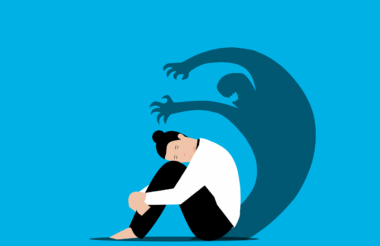

The Role of Exercise in Reducing Polypharmacy in Patients with Mental Disorders
Exercise has emerged as a powerful tool in managing mental disorders, specifically in the context of reducing polypharmacy. Polypharmacy refers to the concurrent use of multiple medications, which can lead to adverse side effects and complex drug interactions. For individuals with mental health conditions, exercising regularly not only improves physical wellbeing but also enhances mental resilience. Engaging in physical activity can result in improved mood and cognitive function, making it a complementary strategy alongside pharmacological treatments. Research suggests that incorporating exercise can help in reducing the need for multiple medications, potentially benefiting both patients and healthcare providers. Moreover, the promotion of exercise as a form of treatment can contribute to a more holistic approach to mental health, addressing both psychological and physiological aspects of wellbeing. In this article, we will examine how exercise can play a critical role in alleviating the need for various psychotropic medications, thereby minimizing risks associated with polypharmacy while enhancing overall patient outcomes. Through various studies and clinical observations, we will explore the connections between physical activity levels and medication usage among patients suffering from mental disorders.
Understanding Polypharmacy in Mental Health Care
Polypharmacy in mental health refers to the use of several medications to treat multiple psychiatric disorders. This phenomenon can complicate treatment regimens and lead to increased health risks. Patients often experience difficulties managing their medications, which may lead to non-adherence or medication errors. The side effects of various psychotropic drugs can also contribute to poor health outcomes. As a result, exerting efforts to minimize polypharmacy has become increasingly important in treating mental disorders. One of the solutions lies in incorporating exercise as a routine part of management strategies, offering numerous benefits. Exercise is known to increase the efficacy of medications by enhancing mood, reducing anxiety, and improving cognitive functions. Practical implementations of this strategy might involve developing personalized exercise programs tailored to individual capabilities and mental health needs. This approach can optimize treatment effects and inspire patients to engage more with their health journey. Informative discussions between healthcare providers and patients about the potential of exercise in reducing reliance on pharmacological interventions are crucial. The right balance between exercise and medication can lead to improved mental health outcomes and a better quality of life for those affected.
The Benefits of Exercise for Mental Health
Engaging in regular physical activity has remarkable mental health benefits that extend beyond traditional therapeutic measures. Exercise increases endorphins, often referred to as ‘feel-good’ hormones, creating a natural high and enhancing mood. Additionally, physical activity has been linked to reduced symptom severity in disorders such as depression and anxiety. This can be particularly significant for patients who find themselves overwhelmed by polypharmacy side effects. By bridging the gap between exercise and medication, healthcare professionals can design integrated treatment plans that not only focus on pharmacotherapy but also emphasize lifestyle changes. These lifestyle changes can include regular aerobic exercise and strength training as prescribed forms of activities. Moreover, group exercise classes provide social interaction, which is beneficial for mental health and can help combat feelings of isolation. Incorporating exercise into daily routines encourages a sense of achievement, ultimately empowering patients to take control of their health. It is essential to inform patients about these advantages during consultations to motivate them to incorporate exercise into their recovery plans actively. Reframing exercise as a restorative practice could influence adherence to primary treatments significantly, fostering a more sustainable approach to mental healthcare.
In conjunction with the emotional benefits of exercise, physical health improvements can greatly influence mental disorder management. Regular activity leads to increased cardiovascular health, better sleep quality, and enhanced energy levels. Such physical health enhancements can positively affect adherence to prescribed treatment plans. Patients might find that they are more motivated to consistently take their medications when they also engage in exercise. Furthermore, gaining knowledge about the physiological effects of exercise can improve self-efficacy in managing mental conditions. Research indicates that exercise can reduce inflammation and promote neurogenesis, factors that are crucial in developing mental resilience. To ensure successful outcomes, healthcare providers should emphasize the significance of balancing medication and exercise. Practitioners can play a vital role by offering guidance on suitable physical activities tailored specifically for patients’ needs and conditions. Establishing a supportive environment encourages patients to be more active and engaged in their treatment plans. By adopting this multifaceted approach, it becomes possible to create a sustainable lifestyle that aids in managing mental health effectively while minimizing the risks associated with polypharmacy.
The role of healthcare providers cannot be overlooked in promoting exercise as a viable intervention for managing mental disorders and reducing polypharmacy. They must acknowledge barriers that patients might encounter, such as accessibility to facilities and motivation levels. Creating awareness of the importance of physical activity and its benefits is essential in altering patient perceptions. A gentle introduction to exercise routines can be accomplished through tailored recommendations for patients, ensuring that they feel capable and supported when commencing their fitness journeys. Healthcare professionals might consider organizing workshops or community fitness events to inspire participation. Moreover, practicality plays a large role in success; encouraging patients to select enjoyable forms of exercise can lead to better adherence to routines. For some, this may involve walking, yoga, or engaging in group classes, resulting in social interaction and connection. Developing comprehensive care plans that incorporate both exercise guidelines and medication management can effectively reduce polypharmacy risks. Ultimately, cultivating a partnership between patients and providers fosters a supportive environment to improve overall mental health through exercise integration within established treatment frameworks.
Data illuminate the wealth of potential benefits derived from incorporating exercise in mental health treatment, particularly in decreasing polypharmacy challenges. Studies have demonstrated that regular physical activity can lead to significant reductions in symptoms, necessitating fewer medications for management. The ongoing research reinforces the idea that exercise should not only supplement but could potentially replace certain medications for individuals with specific disorder profiles. As mental health treatment evolves, physical activity is proving valuable in crafting patient-centered care strategies. Consequently, it is vital to understand the unique needs of individuals concerning their exercise preferences and capabilities. Tailoring programs can effectively inspire commitment and adherence, resulting in improved health outcomes. Furthermore, integrating exercise into standard mental health protocols may pave the way for new guidelines focusing on lifestyle modifications. This holistic approach emphasizes both physical and mental health, encouraging individuals to embrace healthier choices. Enhanced communication with patients can help demystify exercise as a treatment option, breaking down misconceptions around its efficacy. By prioritizing physical activity in treatment discussions, practitioners can empower individuals struggling with mental health and improve their medication landscape and overall quality of life.
Future directions in mental health care should aim at solidifying exercise’s role in reducing polypharmacy. As healthcare continues progressing, versatile treatment strategies, including physical activity, are crucial in addressing mental disorders. Collaborative efforts among various stakeholders, including researchers, healthcare professionals, and policy-makers, are vital in promoting these interventions. Ongoing research initiatives should remain focused on effectiveness data, analyzing how varying exercise types and intensities can influence medication needs. Understanding these dynamics is essential for creating evidence-based guidelines that encourage integration into standard psychiatric practices. Clinicians also need to engage with patients regularly to monitor adherence to both exercise and medication protocols. Encouraging professionalism encapsulates educating patients on tracking their progress concerning mental health and fitness metrics. This tracking may help establish tangible benefits, reinforcing positive reinforcement for maintaining an active lifestyle. Furthermore, as more studies unveil the interplay between physical activity and mental health, it becomes increasingly vital that healthcare professionals champion policy changes. Advocacy for exercise programs within community settings can help displaced populations access resources, further enhancing mental health infrastructure to cater to patients recently living with mental disorders.
In conclusion, the synergistic potential of exercise alongside pharmacological treatments creates a promising avenue for managing mental disorders and mitigating polypharmacy. The intertwining of physical activity into existing mental health strategies offers a comprehensive plan to enhance treatment efficacy. Both healthcare providers and patients play pivotal roles in fostering an environment where exercise is embraced as a legitimate therapeutic option. This involves education, support, and motivation to encourage consistent participation in physical activities. The resulting benefits, including improved mood and cognitive function, lead to individual empowerment, reducing the dependence on multiple medications. As more individuals experience the balancing effects of exercise, there is potential to reshape how mental health is approached. Reducing polypharmacy not only minimizes side effects for patients but opens doors to a more dynamic treatment landscape. The challenge then lies in integrating these strategies into conventional mental health practices. Future efforts should prioritize the collaboration of mental health care providers and fitness professionals, creating partnerships steeped in research-backed insights. Ultimately, the powerful alliance between exercise and pharmacotherapy will enhance wellness in individuals living with mental disorders and guide the future of psychiatric care.