
The Role of Breathing in Balancing the Nervous System
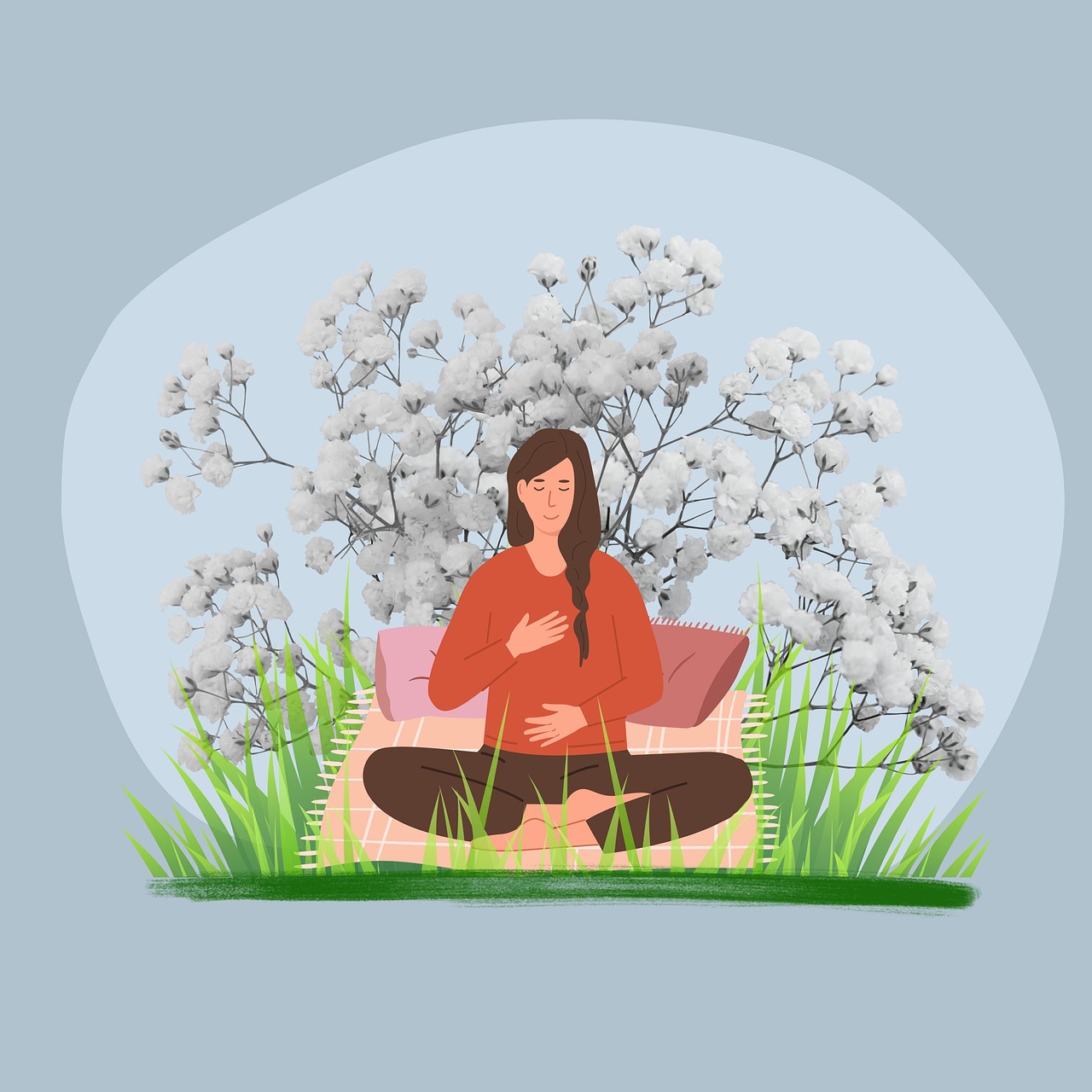
Breathing is a vital physiological process that plays a significant role in our overall well-being. In particular, it is essential for balancing the nervous system, which directly influences our emotional and physical states. The two primary components of the nervous system, the sympathetic and parasympathetic systems, must be in harmony to create optimal functioning. Proper breathing techniques can help manage stress and anxiety by activating the parasympathetic system. Controlled and mindful breathing can create a state of relaxation, enhancing the activity of the vagus nerve, responsible for calming our body. Stressful situations can lead to shallow breathing, further contributing to tension and discomfort. Emphasizing diaphragmatic breathing can counteract this physical response and promote a more balanced system. Additionally, focusing on inhaling deeply through the nose and exhaling slowly through the mouth engages more of the lungs’ capacity. This not only allows for greater oxygen exchange but also encourages a slower heart rate. Overall, being attentive to our breathing patterns can provide pathways to balance, emotional regulation, and heightened awareness of our mental and physical health, laying a foundation for overall wellness.
Benefits of Proper Breathing Techniques
Engaging in proper breathing techniques reaps numerous benefits for both the body and mind, influencing our daily lives significantly. Firstly, effective breath control helps reduce stress levels, allowing for clearer thinking and improved mood. This is particularly beneficial in high-pressure environments, where individuals need to maintain composure. Secondly, these techniques encourage deep relaxation, thereby improving sleep quality. Better sleep translates to enhanced cognitive function and overall productivity. Furthermore, regular practice of breathing exercises can enhance lung capacity and efficiency, directly impacting athletic performance. Athletes often utilize specific breathing techniques to optimize oxygen flow during training and competition. Lowered blood pressure is another critical benefit linked to proper breathing, contributing to cardiovascular health and reduced risk of chronic illnesses. Additionally, proper breathing can aid digestion by promoting abdominal movement and reducing tension in the body. Incorporating these techniques into our daily routine can foster healthier living, promoting a proactive approach to wellness. Mindfulness meditation often emphasizes breath awareness, making it a powerful tool for cultivating patience and emotional resilience. Thus, adopting proper breathing practices is an essential aspect of holistic health care.
Incorporating breathwork into your daily routine can be transformative and straightforward. To get started, find a quiet and comfortable place where you can sit or lie down. Begin with a few minutes of awareness, simply noticing your natural breath without altering it. Gradually, start to deepen your inhalations and extend your exhalations. A common technique is the 4-7-8 method, where you inhale for four counts, hold for seven counts, and exhale for eight counts. This pattern can significantly help in calming the nervous system and reducing anxiety. It’s essential to practice consistently, dedicating specific times each day for these exercises. Over time, you will become more aware of your breathing patterns and their effects on your emotional state and overall well-being. Make adjustments as necessary, and listen to your body’s cues. Remember that integrating breathing techniques does not require costly equipment or extensive training. They can be done anywhere—at home, at work, or while commuting. The key is to remain mindful and committed to the process, allowing yourself to fully experience and appreciate the benefits that proper breathing brings to your life.
Breathing Techniques to Balance Emotions
There are various breathing techniques designed to help balance emotions and enhance mental clarity. One of the most recognized methods is the box breathing technique, commonly used by military personnel to achieve calmness under pressure. To practice box breathing, inhale through the nose for four counts, hold your breath for four counts, exhale through the mouth for four counts, and hold again for four counts. Repeat this cycle several times to experience its calming effects. Another approach is alternate nostril breathing, a technique from yogic practices that promotes balance between the brain’s hemispheres. This is done by breathing through one nostril at a time, helping induce relaxation and mental clarity. Breath counting is yet another strategy where individuals count their breaths to focus and minimize anxiety. All these techniques can be practiced anywhere, making them accessible for individuals seeking emotional regulation in everyday situations. Furthermore, exploring various methods will help you identify which techniques resonate best with your unique lifestyle and needs. Ultimately, the goal is to incorporate these practices into your routine, allowing for improved emotional balance and stress management.
To foster lasting benefits, set realistic goals and objectives for your breathing practice. Initial sessions should be short, primarily focusing on forming a habit, ultimately leading to longer sessions as your comfort grows. Consider integrating breathing exercises with other wellness practices, such as yoga or mindfulness meditation, for synergy in achieving better mental and physical health outcomes. Keeping a breathing journal can be particularly useful; document your feelings, thoughts, and experiences before and after each practice. This reflection will help clarify the changes you’ve experienced, fostering motivation to continue your journey. With persistence, you may notice gradual shifts in your responses to stressors, enhancing your overall emotional resilience. Engaging friends or family in group breathwork sessions can further encourage accountability and deepen your practice. Sharing experiences within a supportive community may amplify the benefits of breathing techniques, creating a shared environment for growth and healing. As you explore these concepts, remain open to learning and adapting your approach based on feedback and personal experiences. Each person’s journey toward balance might differ, so honor your unique journey in the quest for optimal health and well-being.
Conclusion: Embracing the Power of Breath
In conclusion, understanding and embracing the power of breath can dramatically enhance our lives. The relationship between breath, nervous system balance, and emotional well-being is profound and supports a holistic approach to health. By practicing proper breathing techniques, we can cultivate a deeper mind-body connection, which promotes relaxation and mental clarity. Integrating these practices into our daily routines allows us to manage stress and challenges effectively while nurturing our emotional well-being. The ability to control your breath offers an invaluable tool for personal empowerment and resilience. Just as one can learn to walk or run, mastering breathwork is an accessible skill for all, offering numerous benefits. Moreover, advancing one’s practice may involve sharing knowledge with others, creating an opportunity for collective growth within our communities. As we collectively focus on the importance of proper breathing, we foster a culture of health, support, and awareness that impacts not only our lives but those around us. Start your journey of breath exploration today, dedicating time to connect, breathe, and balance your nervous system. Embrace the journey toward enhanced health through the simple yet powerful act of mindful breathing.
Remember, embracing this journey is a personal commitment that may take time to yield noticeable results; therefore, practice patience and self-compassion throughout the process. However, the rewards of proper breathing techniques are certainly worth the effort. By consistently applying mindful breathwork, individuals can experience various advantages that contribute to a more balanced emotional state and reduced anxiety levels. As with any lifestyle change, the key is consistency, be it in the workplace, during relaxation, or even amid life’s chaos. Gradually, as you incorporate proper breathing techniques into your daily routine, you may find it easier to manage stress and regain focus during overwhelming moments. The mind-body connection that emerges from this practice serves as a foundation for emotional resilience. Carrying this awareness into daily interactions can create a ripple effect, positively influencing those around you. Thus, sharing the knowledge of breathing techniques with friends and family may cultivate greater emotional intelligence in your community. Embrace this journey wholeheartedly and remember to celebrate small victories. In your practice, you’ll find the ability to transform your relationship with stress and the challenges life presents, as well as the profound impact that proper breathing can have on your overall well-being.