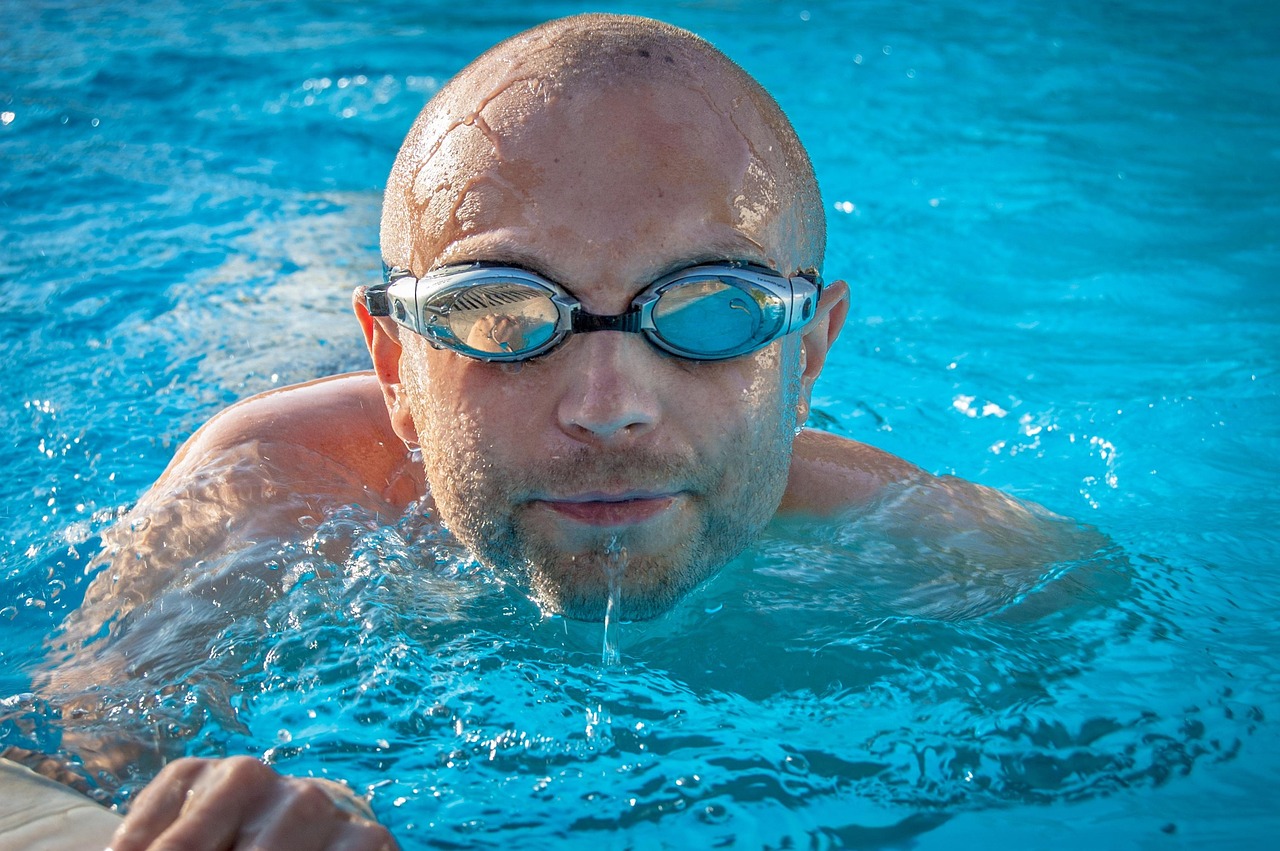

Swimming Cardio Drills for Improved Stamina
Swimming is not just a recreational activity; it also serves as an excellent way to boost cardiovascular fitness. Engaging in regular swim workouts can significantly enhance your endurance and stamina. To maximize these benefits, athletes must incorporate structured cardio drills aimed at building aerobic capacity. These drills can be tailored to different swimming strokes and should vary in intensity and duration. Interval training, for example, can provide athletes with bursts of exertion followed by active recovery periods. This technique effectively trains the body to recover more quickly and maintain a steady performance over longer distances. In addition, focusing on proper breathing techniques and body positioning can further optimize efficiency in the water. Swimmers can utilize tools such as kickboards and pull buoys to isolate muscle groups and incorporate varied drills. Whether preparing for competition or simply looking to improve overall fitness, integrating cardio drills into swim routines leads to better performance and conditions the heart to handle increased physical demands. Consistent practice, accompanied by specific swim drills, enables swimmers to build endurance and confidence, ultimately fostering a greater passion for the sport.
For swimmers keen on enhancing their stamina, it’s essential to focus on varied drills that challenge both speed and endurance. One effective drill is the “50s and 100s” workout, which alternates between fast swims and slower recovery swims. In this method, a swimmer might perform several 50-meter sprints at a high intensity, followed by a leisurely swim to help with recovery. As swimmers become more comfortable, they can gradually reduce the recovery time, further building stamina. Another beneficial drill is the “pyramid set,” where swimmers progressively increase the distance for each subsequent set, for instance, 25 meters, 50 meters, and then 100 meters, ultimately returning down the scale. This type of training is advantageous as it keeps workouts engaging while boosting endurance levels. Additionally, including various strokes like breaststroke, backstroke, or butterfly can help target different muscle groups, encouraging overall fitness. Utilizing these drills during practice not only helps swimmers build stamina but also ensures they remain versatile in the water, prepared for any race. Consequently, developing a structured approach to swimming workouts with these drills is imperative for athletes aiming for significant improvements.
The Role of Breathing Techniques
Breathing properly during swimming exercises is crucial for maximizing stamina and improving overall performance. Many swimmers overlook the significance of breath control, which affects oxygen intake and energy consumption during prolonged swims. A common technique involves rhythmic breathing, where athletes establish a consistent pattern, inhaling and exhaling with their strokes. Practicing bilateral breathing can also enhance endurance, allowing swimmers to develop a strong sense of balance and symmetry. This technique encourages swimmers to breathe on both sides, resulting in improved body positioning and less drag in the water. Furthermore, incorporating mindfulness into breathing can help swimmers remain relaxed, focusing on maintaining a steady rhythm throughout their swims. As fatigue sets in, it’s vital for athletes to keep breathing steadily to facilitate oxygen flow and energy production. In addition, performing dryland exercises like diaphragm training can enhance lung capacity, leading to improved breath control in the water. By emphasizing proper breathing techniques, swimmers can effectively manage energy levels and boost their stamina, ultimately optimizing overall performance during swims and races.
Drills focused on kick technique play a significant role in building a swimmer’s endurance. Kicking drills can help strengthen the leg muscles while also improving cardiovascular capacity. One simple drill is the vertical kick, where a swimmer propels themselves upward while remaining vertical in the water, typically using no flotation aids. This drill not only works the legs but also engages core muscles, emphasizing the need for strong kicks. Another effective approach includes using a kickboard. By isolating the legs, swimmers can focus on perfecting their kick technique and endurance. Ladder kicking is also a useful style, combining short, high-intensity efforts with active recovery phases. Athletes can progressively lengthen the intervals to build their stamina more effectively. Incorporating kicking drills into swim workouts helps to develop strength and efficiency in the water, minimizing drag and promoting better speed. Additionally, varying the kick drills by introducing different speeds or stroke variations can help maintain engagement and motivation during training. Regular kick drills ultimately result in developing stronger leg muscles, increased stamina, and heightened swim performance overall.
Endurance Sets for Continuous Improvement
Incorporating endurance sets into swim training is paramount for swimmers looking to improve their stamina significantly. These sets consist of longer distances swum at a steady pace, intended to build aerobic capacity and overall endurance over time. Athletes might consider setting goals for certain distances, such as swimming 800 meters continuously, gradually increasing as their fitness levels rise. A popular approach is to structure long-distance swims once a week, allowing enough recovery time between sessions. Many swimmers find success by mixing in technique-focused sets during these endurance workouts, which help maintain focus while building stamina. This might include adding drill sets within the main distances, concentrating on stroke efficiency and form. Swimmers should ensure proper warm-up and cool-down periods to prevent injuries and promote recovery. By solidifying endurance within the training regimen, swimmers develop not only physiological adaptations but also improve mental resilience. Regular, steadily paced swims solidify the foundation for consistent performance, enabling athletes to excel in competitions and personal challenges alike.
Swimming is a demanding sport that requires a high level of fitness and stamina. Incorporating variety into your workouts will keep them engaging and challenging. Additionally, swimmers can benefit from varying their swim drills, which can lead to improved cardiovascular conditioning. Interval training within the pool, such as alternating between fast-paced sprints and recovery swims, is beneficial. An example of an interval workout is to swim fast for fifty meters and then swim slowly for thirty meters. This consecutive practice promotes both endurance development and speed improvement. Cross-training can also be advantageous for swimmers. Activities like running or cycling can supplement swim workouts, enhancing overall cardiovascular fitness efficiently. Strength training is another essential component; it helps build the muscles necessary for efficient swimming. Focusing on core strength, upper body, and legs can improve overall technique and performance regularly. Furthermore, engaging in flexibility training, like yoga, can assist in injury prevention and promote recovery. By maintaining a well-rounded approach that targets various areas, swimmers can elevate their performance and achieve their stamina goals more effectively.
Conclusion
In conclusion, there is a multitude of effective swimming cardio drills available to improve stamina and endurance. Swimmers must incorporate a mix of techniques, kicking drills, and endurance sets into their regimen to reap maximum benefits. Additionally, proper breathing techniques and cross-training activities ensure that athletes maintain a holistic approach to their training. By challenging the body through varied workouts while providing adequate recovery, swimmers can enhance their fitness levels significantly. The consistency in practice, combined with strategic goal-setting, will ultimately lead to remarkable progress over time. Investing time into structured drills not only aids in stamina improvement but also creates a more enjoyable swimming experience. Remember that building endurance is a gradual process; thus, patience and dedication are crucial elements in achieving desired results. Lastly, tracking progress and adapting training plans are vital for continual improvement, ensuring that swimmers are always moving towards their goals. With these practices in place, athletes can cultivate a passion for swimming while enhancing their performance significantly in their chosen sport.
This is another paragraph with exactly 190 words…