
Storage Solutions for Bootcamp Equipment in Smaller Facilities
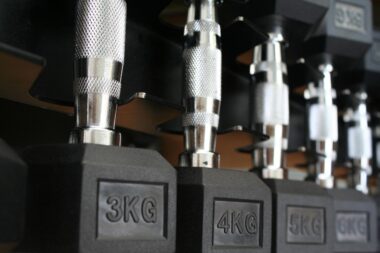
Organizing bootcamp training equipment in smaller facilities presents unique challenges. Equipment such as dumbbells, kettlebells, resistance bands, and mats require effective storage solutions. Utilizing vertical space is essential in smaller areas to maximize available square footage. Wall-mounted racks provide a great option for storing weights, allowing easy access and keeping the floor clear. Floor space can be designated for larger items like agility ladders and cones, which can be stacked or neatly placed in a corner. Additionally, transparent storage bins can prove beneficial. They keep items contained while allowing easy visibility of what’s inside, thus enabling quick retrieval. The purpose of each training session can dictate the type of equipment required and hence its storage solution. Establishing zones for different equipment types can further streamline the training process. Mobile storage carts can also be employed for items that are needed frequently and need to be transported around the facility. By implementing these strategies, trainers and facility managers can ensure that their workout spaces remain functional and organized, creating a more efficient environment for bootcamp participants.
Ultimately, the organization of bootcamp equipment goes beyond mere storage; it impacts the overall experience of participants. When equipment is easily accessible, it reduces transition times between exercises, allowing for a more efficient and exhilarating workout. Incorporating signage to identify areas for specific equipment can guide users and minimize time spent searching for items. Moreover, color-coding stickers can be placed on storage bins corresponding to workout categories, making it instantly clear where to find necessary tools. Trainers can encourage participants to assist with organization after each session. This involvement creates a sense of ownership among attendees and helps ensure a clean environment. Multi-functional furniture, such as benches with storage compartments, is also an excellent investment for smaller facilities as it allows for additional seating while efficiently storing equipment. Furthermore, employing custom solutions, like tailored shelving designed for unique spaces, can enhance storage efficiency. Attention to detail in equipment storage promotes safety as well, reducing the risk of trips and falls. Resources should also be allocated for routine maintenance checks on equipment, ensuring that all items are functioning optimally for training sessions.
Utilizing Modular Storage Units
Modular storage units can be a game-changer when it comes to storage solutions in bootcamp facilities of limited space. These units allow for flexible configurations that can be adapted as needs change while also making it easier to store various shapes and sizes of equipment. They can be stacked vertically or arranged horizontally to suit specific requirements or spatial constraints. Equipment like foam rollers, medicine balls, and jump ropes can all nestle snugly within these units, reducing clutter. It’s important to select durable materials that can withstand daily wear and tear. Materials such as heavy-duty plastics or metals are ideal choices as they offer longevity and stability. Additionally, incorporating mobile options, such as units with wheels, allows for easy repositioning when necessary. As your bootcamp may shift focus or change its equipment inventory, having flexible storage solutions ensures adaptability. Furthermore, consider incorporating units that feature mesh sides to promote airflow, particularly for items that may need to dry after use. This prevents dampness and potential mildew growth, keeping your equipment in pristine condition for years to come.
Maintaining a visually appealing training environment can enhance motivation and create a more inviting atmosphere. Implementing aesthetic elements, such as color-coordinated or branded storage solutions, can tie together the overall appearance of the facility. Moreover, this can create a theme for the bootcamp, fostering a community spirit among participants. It’s advisable to involve trainers and participants in the selection process of storage options. Engaging the community in decisions can boost morale and may lead to better adherence to cleanliness. Further, integrating technology like inventory management software may streamline the process of tracking equipment availability and usage. With such systems in place, you can monitor which pieces of equipment are frequently used and which are rarely touched, allowing for insightful adjustments in storage strategy. Keeping an updated checklist of inventory can help ensure nothing goes missing or is misplaced over time. Regularly scheduled inspections or audits of the facility can ensure that standards are maintained and that each piece of equipment has a designated space. In this way, the organization becomes a continuous process that evolves with your training methods.
Maximizing Floor Space
Maximizing the available floor space in bootcamp training environments can greatly influence the efficiency of workouts. Creating designated areas for various activities not only optimizes space usage but also enhances the flow of sessions. For instance, an open area can be dedicated to high-intensity training, while another can focus on strength training with specific equipment set up. Portable barriers or dividers can help organize these zones, providing visual cues to participants. Storage solutions like foldable mats or collapsible benches offer versatility and save space. After each session, these items can be stored away neatly, allowing the gym to return to a clear layout ideal for the next activity. It’s also worth considering shared spaces; for example, if your facility is used for different types of workouts at different times, ensure that storage solutions cater to all activities. Clear communication about how and where equipment should be stored post-session leads to a tidy environment that reflects professionalism. Additionally, dedicate time for trainers to setup and breakdown the training space, making it easy to rotate between activities without disruption during classes.
Collaboration with local vendors can prove highly beneficial when searching for innovative storage solutions. Establishing relationships with suppliers who specialize in fitness equipment storage may introduce you to more creative options tailored for bootcamp setups. Often, these vendors offer packaging deals that could save money for smaller facilities, thus providing access to quality storage solutions without breaking the bank. Inquiring about customization options can create tailored systems perfectly suited for specific equipment, such as securing loose items like jump ropes or ensuring sharper angles on storage racks for kettlebells. Additionally, look for environmentally friendly options when selecting storage solutions, ensuring they align with a sustainable vision for the training facility. Prioritize materials that are recyclable or made from repurposed sources, as sustainability resonates with many fitness enthusiasts. This alignment can attract a specific demographic who prioritize eco-friendliness in their choices. Offering workshops on proper equipment maintenance and organizing principles can also encourage a strong culture of care and respect within the bootcamp community, creating a well-rounded and welcoming environment for all.
Regular Maintenance and Organization
Lastly, establishing a routine for regular maintenance and organization will significantly enhance the management of bootcamp equipment. This must include scheduling cleaning days where all equipment gets a thorough clean, as dirt and grime can wear down gear over time. Utilizing checklists can simplify this process, ensuring every item is accounted for and maintained appropriately. Regular inspections to assess each piece of equipment for wear and tear should become a practice, fostering a culture of safety and accountability. Encourage participants to report issues with equipment immediately. This immediate feedback can lead to prompt repairs, maintaining functionality and safety during training. Create a system for storing equipment that emphasizes return policies, ensuring that all items are put back in their designated spots immediately after use. Flexibility in this system can ensure adjustment as new pieces of equipment are added or as the bootcamp changes focus. By establishing these practices, smaller facilities can maintain an organized, safe, and enjoyable atmosphere for all attendees who rely on the longevity of the equipment for their training endeavors.
In conclusion, managing bootcamp training equipment in smaller facilities can be efficiently handled with creativity and strategic thinking. From utilizing wall space for storage to implementing modular storage solutions, there are multiple ways to optimize storage without sacrificing functionality. Engaging the community in storage planning promotes ownership and respect for the organized environment. Organizations can experiment with aesthetic and practical solutions to create a motivating atmosphere that enhances the workout experience. Collaboration with vendors opens doors to innovative options that cater specifically to organized training needs, thus providing the flexibility to adapt to future changes. Prioritizing the routine maintenance and organization of equipment ensures longevity and reduces safety concerns, creating a welcoming space for bootcamp participants. Remember, every aspect contributes to creating an inviting training environment that champions efficiency and safety. Your efforts will pay off as participants demonstrate greater satisfaction and success in their fitness journeys. Embrace the possibilities and continually seek improvement in how bootcamp equipment is stored and utilized, progressively enhancing both the space and participant experience in training.