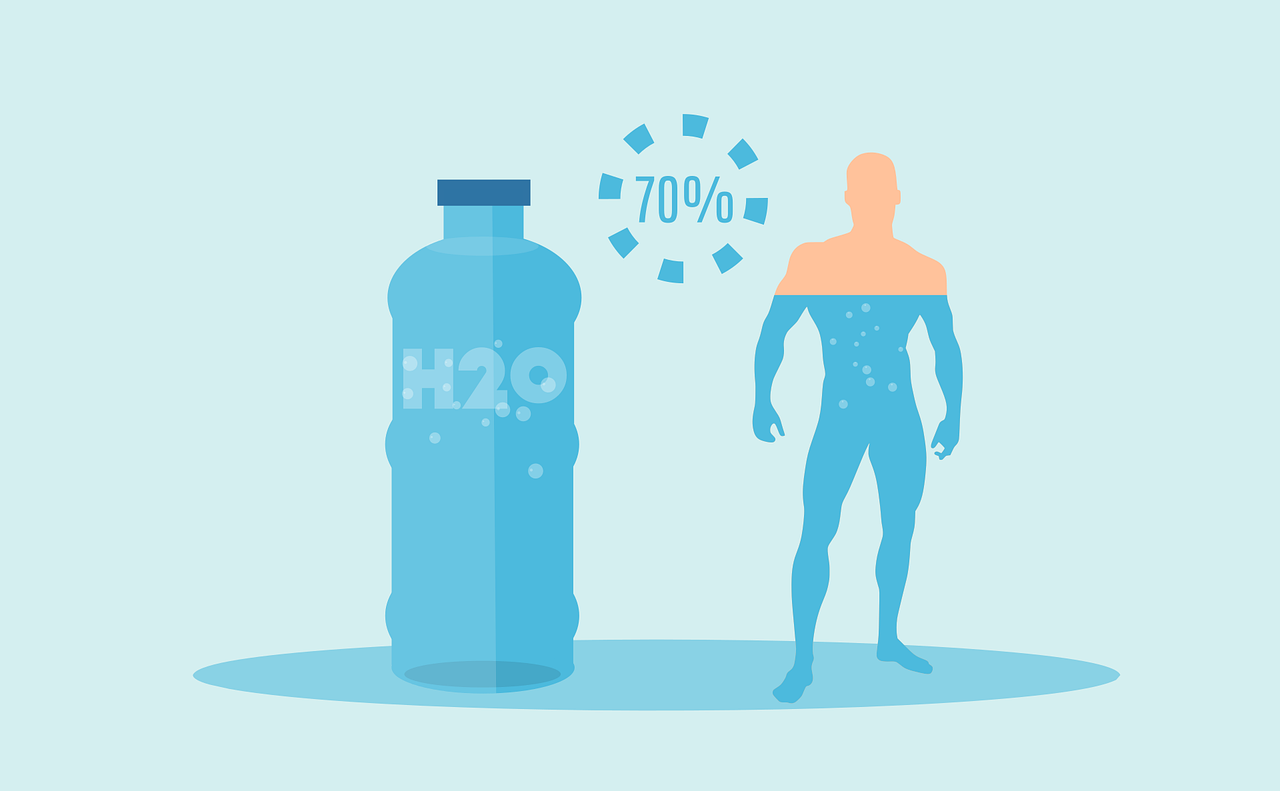

Smart Hydration: Listening to Your Body’s Signals
Hydration is a critical factor for athletes, playing a pivotal role in performance and recovery. Proper hydration helps in maintaining optimal body function, regulating temperature, and preventing fatigue. When engaging in rigorous physical activities, it becomes essential to listen to your body’s signals regarding hydration. These signals include thirst, urine color, and overall body performance. The first step in effective hydration is recognizing your body’s needs. Athletes should develop a strategy that includes regular fluid intake before, during, and after exercise. The amount of fluid needed can vary based on environmental conditions, exercise intensity, and individual physiology. Keeping a log of fluid intake and body response can aid in tailoring a personal hydration plan. Selecting hydration sources is important. Water remains the best option for most situations, but during prolonged exercise, electrolyte drinks can be beneficial. They help replenish lost minerals and maintain fluid balance. Additionally, consuming foods with high water content, such as fruits and vegetables, supports overall hydration. Therefore, athletes are encouraged to monitor both their liquid and solid food intake to achieve the best hydration strategy.
The Importance of Monitoring Hydration
Staying hydrated is more than just drinking water; it involves a conscious effort to monitor one’s hydration status actively. Athletes need to be aware of the signs of dehydration, which can negatively affect performance. Symptoms such as dry mouth, headaches, dizziness, and decreased concentration may signal that hydration levels are not adequate. One effective method to assess hydration status is through urine color. A pale yellow color typically indicates proper hydration, while a darker color suggests the need for more fluids. Alongside visual checks, athletes should listen to their bodily cues. Thirst is a natural signal to encourage drinking more fluid. Moreover, sticking to a set schedule for periodic hydration can prevent lapses in fluid intake. Using reminders on devices can be an excellent strategy to foster disciplined hydration habits. Athletes might consider setting benchmarks for fluid intake during training sessions and competitions. This habit can make it easier to develop a robust hydration habit and fine-tune it as per individual needs. Additionally, employing hydration strategies suited to the type of workout can provide tailored solutions that work effectively for different sports.
Understanding the various hydration strategies is essential for improving athletic performance. While water is vital, during rigorous exercise, athletes have additional hydration options. Sodium, potassium, and other electrolytes play a crucial role in fluid balance, especially for those engaging in endurance sports. Sports drinks containing these essential minerals can replenish what is lost through sweat and enhance hydration efficiency. However, athletes must be cautious about consuming sugary drinks, as they may exacerbate dehydration. To implement a balanced approach, consider alternating water and electrolyte drinks during extended workouts. Additionally, it is important to respect individual preferences and the body’s response. Some athletes perform better with certain brands or types of electrolyte replacements. Testing these products during training sessions can lead to effective choices customized for each athlete’s unique needs. Furthermore, hydration should be planned based on the environmental conditions. High temperatures increase fluid loss, making regular hydration even more critical. A proactive drink plan is helpful, designed around scheduled breaks during activities. This consistency helps in optimizing performance outcomes and ensuring peak physical capabilities. Experimenting with fluid sources will further refine athlete hydration strategies and support overall well-being.
Hydration Around Training Sessions
Implementing smart hydration strategies goes beyond the act of drinking water; it involves timing fluid intake around training and competitions. Athletes should start hydrating well before the event to ensure their body is prepared. Ideally, hydration should begin 24 hours prior to any strenuous activity. This helps build adequate fluid reserves. The day of the workout or event, consuming smaller amounts of fluids repeatedly is better than drinking large amounts in one go. An effective method includes drinking around 500-700 mL of water or electrolyte drink two hours before exercise. Following this, maintaining hydration every 15-20 minutes during intensive sessions is advisable. Post-exercise hydration is equally crucial. Athletes should aim to replace lost fluids within the first hour after training. Consuming fluid along with refueling nutrients, such as carbohydrates and protein, enhances recovery. Monitoring body weight before and after workouts can also provide insight into fluid loss and aid in determining how much to drink later. By focusing on pre- and post-training hydration strategies, athletes can fully capitalize on their efforts in training and optimize their performance on competition day.
Incorporating hydration strategies into daily routines can aid athletes in better performance outcomes. Creating habits around hydration should be a priority for athletes of all levels. They can start with small, achievable goals, like carrying a water bottle during training sessions or establishing water breaks during practice. Over time, these actions can become natural parts of the athletic routine. A written hydration plan can also help maintain focus. This plan could include daily fluid targets, favorite drinks, and timings for hydration around workouts. Furthermore, education about hydration benefits can lead to enhanced enthusiasm for maintaining adequate fluid intake. Athletes can also follow social media accounts or blogs centered on sports nutrition, receiving tips and motivation to stay accountable. Joining group activities where hydration is emphasized can create a fun way to engage. Efforts can be rewarded, which encourages continued commitment to hydration goals. Collaboration with coaches or nutritionists in planning hydration strategies fosters accountability and success. Exploring trends within the athletic community allows for a successful implementation of hydration practices while finding techniques tailored to specific sports and individual needs.
The Role of Technology in Hydration
Advancements in technology provide innovative ways to enhance hydration strategies for athletes. Numerous applications are available that track fluid intake and remind users to drink water. These apps often allow athletes to log their workouts and corresponding hydration levels, encouraging a more precise approach to fluid management. Implementing technology can significantly enhance awareness regarding personal hydration needs. Devices like smart water bottles can track water consumption, providing insights into daily hydration habits. They may send alerts to remind the athlete to hydrate as needed. Wearable technology provides additional support, allowing athletes to monitor sweat loss and thus understand their unique hydration requirements. Athletes can fine-tune their fluid intake based on real-time data. Furthermore, integrating hydration technology encourages better adherence to personalized hydration plans. This assurance leads to improved overall performance. Athletes should explore various tools to discover what works best for their lifestyle. Technology not only makes tracking hydration easier but also creates a sense of accountability. Taking advantage of these innovations can lead to significant benefits, ultimately enhancing athletic performance and general health for those engaged in intensive physical training.
Ultimately, smart hydration is a multifaceted process requiring both awareness and adaptation. Athletes must commit to understanding their body’s hydration signals while making hydration a priority within their training routines. These strategies can significantly impact performance, energy levels, and recovery times. Adopting structured hydration plans tailored to individual needs will yield positive outcomes in overall athletic performance. By focusing not only on when and what to drink but also on developing effective habits, athletes can significantly impact their health and performance. Support from coaches, technology, and peer accountability fosters enhanced hydration practices among athletes. This focus on hydration is vital, particularly in competitive environments where every detail counts. The synergy of body awareness, scientific knowledge, and technology streamlines the hydration process effectively. Over time, with continuous monitoring and adaptation to hydration needs, athletes will boost performance significantly. To cultivate strong hydration habits, a proactive and educated approach is necessary. With the right strategies in place, athletes can enjoy the multitude of benefits that proper hydration provides.
Concluding Thoughts on Hydration
In conclusion, effective hydration strategies are paramount for athletes seeking to optimize performance. Hydration goes far beyond merely quenching thirst; it includes developing an understanding of one’s body and its needs. By employing a comprehensive hydration plan, individuals will naturally boost athletic performance while enhancing recovery times. Athletes who track hydration, integrate technology, and adopt consistent eating practices that promote fluid intake ensure better health and longevity in their sport. This process should involve constant assessment and willingness to adjust based on conditions and personal feedback. Hydration not only affects performance on the field but significantly impacts mental clarity, energy levels, and overall enjoyment of the sport. Implementing innovative techniques and remaining committed can evolve an athlete’s hydration habits. Therefore, staying informed and flexible when it comes to hydration is essential. As new research emerges about the benefits of hydration, athletes should remain open-minded and consider incorporating novel strategies into their regimes. The pursuit of excellence in sports demands attention to detail, and hydration is a foundational aspect. Ultimately, strategic hydration practices will guarantee optimal performance in athletic endeavors and health maintenance.