
Natural Food Sources Rich in Essential Vitamins and Minerals
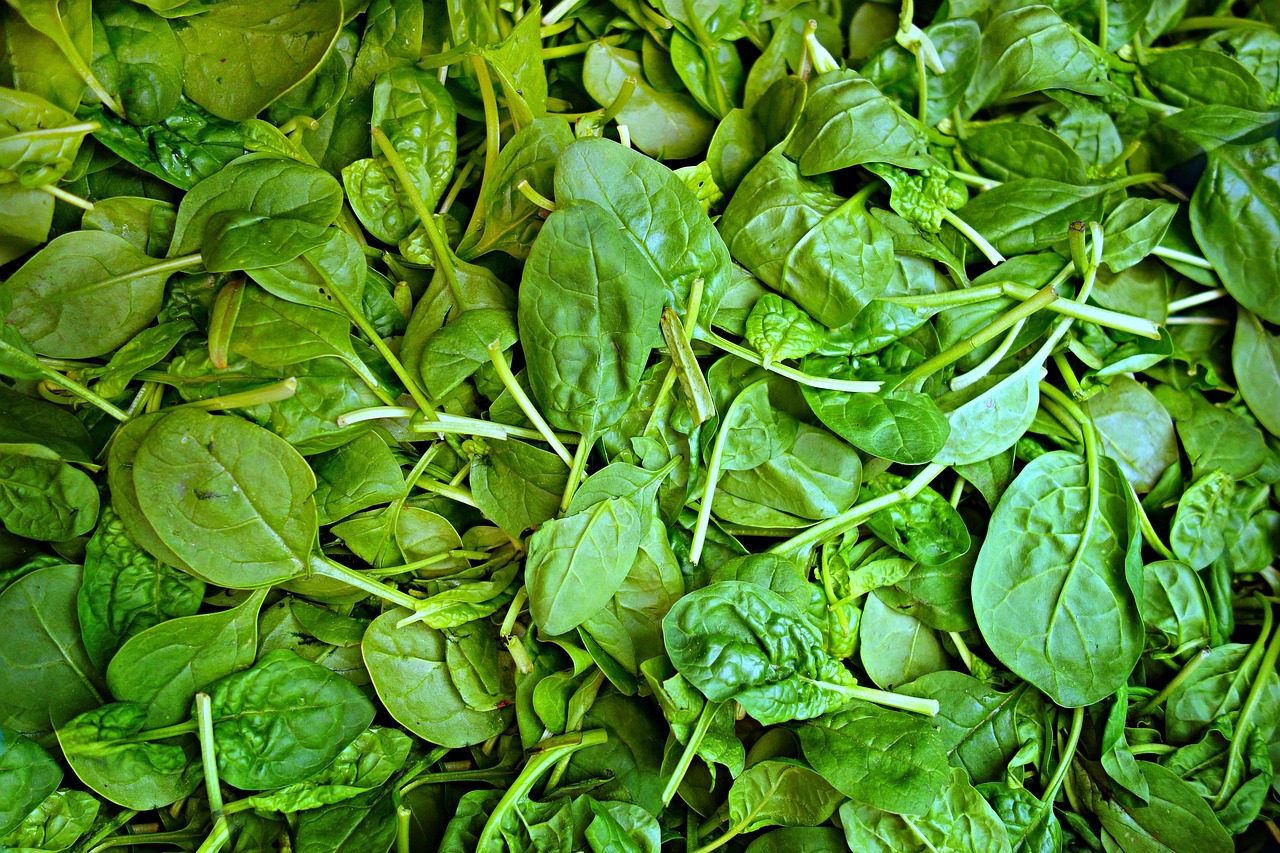
Vitamins and minerals are critical for maintaining overall health, and obtaining them from natural food sources is the best approach. Fruits and vegetables are particularly rich in essential vitamins. For instance, citrus fruits such as oranges and lemons are excellent sources of vitamin C, which boosts immunity and helps in collagen production. Dark leafy greens like spinach and kale provide vitamins A, C, and K. Moreover, they are packed with essential minerals such as iron and calcium. Berries, particularly blueberries, are rich in antioxidants and provide vitamin K. Each of these fruits and vegetables can be easily incorporated into daily meals, whether in salads or smoothies. The recommended daily intake varies; thus, ensure your plate is colorful to cover nutritional needs. Don’t forget to pair fruits with healthy fats, such as nuts or seeds, to enhance their absorption. Therefore, embracing a variety of fruits and vegetables in your diet is not only delicious but also a smart way to meet your vitamin and mineral requirements effectively. This ensures stronger health and vitality over the long run, significantly supporting bodily functions and overall wellness.
Another significant source of essential vitamins and minerals is whole grains. Foods like quinoa, brown rice, and oats are excellent sources of B vitamins, including B1, B3, B5, and folate. These vitamins play key roles in energy metabolism and the maintenance of a healthy nervous system. Additionally, whole grains provide dietary fiber, which is essential for digestive health. They also contain valuable minerals such as phosphorus, magnesium, and selenium. Incorporating whole grains into meals is easy. You can use quinoa as a base for salads or replace white rice with brown rice in your dishes. Furthermore, oats can be consumed as oatmeal or as an ingredient for healthy baked goods. Each whole grain carries its unique benefits, thus varying your choices is advantageous for a diverse intake of nutrients. Aim for at least half of your grain consumption to come from whole grains. This small dietary adjustment will surely contribute positively to your health. Overall, whole grains complement a balanced diet rich in vitamins and minerals, catering to long-term health benefits while preventing various health disorders.
Lean Proteins and Their Nutritional Importance
Lean proteins are another fundamental part of a nutritious diet that contributes significant amounts of vitamins and minerals. Foods like chicken, turkey, fish, beans, and legumes provide vital nutrients for bodily functions. Fish, in particular, is a rich source of omega-3 fatty acids, which are crucial for heart health and cognitive function. They also provide essential vitamins like B12, vital for nerve health and formation of red blood cells. Legumes, which include lentils and chickpeas, are a great source of plant-based protein, fiber, and minerals like iron and zinc. Including lean proteins in meals supports muscle repair and growth, making them ideal for active individuals and those recovering from surgery. They often create a satisfying meal and assist in stabilizing blood sugar levels, which is critical for energy management. Grilling, baking, or steaming meats and legumes promotes healthy cooking techniques without additional fats. Thus, integrating a variety of lean proteins is an excellent strategy for obtaining essential nutrients while also supporting overall health and wellness. Optimizing your protein sources will enhance your vitamin and mineral intake sustainably.
Nuts and seeds are also important sources of nutrients, delivering essential vitamins like E and B-complex vitamins along with vital minerals such as zinc, magnesium, and selenium. These healthy fats not only promote heart health but also support brain function by providing energy. For example, almonds are particularly high in vitamin E, an antioxidant that helps to protect cells from oxidative stress. Chia seeds are rich in omega-3 fatty acids, fiber, and protein, making them a perfect addition to a healthy diet. Incorporating nuts and seeds into your meals is simple; they can be used as toppings for salads, blended into smoothies, or enjoyed as a satisfying snack. It’s crucial to opt for natural or unsalted versions to maximize health benefits. Aim to include a handful of nuts or a tablespoon of seeds daily for optimal health. Their nutrient density makes them an excellent choice for health-conscious eaters. Therefore, including a variety of nuts and seeds into your diet not only enhances flavor and texture but also significantly contributes to your vitamin and mineral goals, solidifying overall health.
Dairy Products and Nutrition
Dairy products such as milk, cheese, and yogurt are rich in essential vitamins and minerals, especially calcium, vitamin D, and B vitamins. Calcium is crucial for maintaining strong bones and teeth, making dairy an indispensable part of many diets. Yogurt, a fermented form of milk, provides probiotics that help maintain gut health while being high in protein and calcium. Low-fat or fat-free dairy options can provide the same nutritional benefits while reducing calorie intake. Cheese can be consumed in moderation, offering a variety of flavors and textures to enrich meals. For lactose-intolerant individuals, alternatives such as lactose-free products, fortified almond milk, or soy milk can be great substitutes. Many dairy products also experience fortification with additional vitamins D and A, improving nutritional content. Regular consumption of dairy can aid in preventing osteoporosis and promoting muscle recovery after exercise. Therefore, aiming for at least three servings of dairy daily can significantly help meet daily nutrient requirements, strengthening the overall dietary landscape of individuals committed to a healthy lifestyle.
Another essential aspect of a functional diet is consuming a variety of fats including avocados, olive oil, and fatty fish. Despite the common aversion towards fats, healthy fats are fundamental for nutrient absorption, hormone production, and cellular structure. The monounsaturated fats found in avocados and olive oil are beneficial for heart health and are filled with vitamins and minerals such as potassium and vitamin E. Fatty fish like salmon not only provide omega-3 fatty acids but are also abundant in vitamin D and selenium. Incorporating these fats into daily meals can feel indulgent while boosting nutritional value. Drizzling olive oil over vegetables before roasting or adding avocado to a salad enhances flavor while ensuring a balanced intake of nutrients. Additionally, moderate consumption of healthy fats has been shown to reduce inflammation and aid in weight management. Therefore, balancing your fat sources while choosing healthier options will contribute to overall well-being, enhancing the absorption of fat-soluble vitamins, and maintaining optimal health, and vitality.
Conclusion: Balanced Diet for Optimal Health
In conclusion, achieving a balanced diet filled with rich sources of vitamins and minerals is paramount for overall health. Emphasizing a variety of foods, including fruits, vegetables, whole grains, lean proteins, dairy, nuts, seeds, and healthy fats, creates a vibrant plate that fulfills bodily needs. Each food group contributes essential nutrients required for different functions, from immune support to bone health. Modifying your diet to include diverse food sources will greatly enhance your wellbeing. Tracking what you eat can also empower you to make informed choices and identify any deficiencies. Avoiding processed foods high in added sugars and unhealthy fats will promote a healthier lifestyle. Regularly consuming these natural sources not only helps in disease prevention but also encourages a dynamic and energetic life. Remember, moderation and variety are key—ensure that every meal is packed with colors, flavors, and nutrients. By focusing on nutrient-dense foods, you will not only look after your health but also enjoy the process of nourishing your body through holistic and wholesome eating habits.