
Injury Prevention: Understanding Muscle and Joint Anatomy
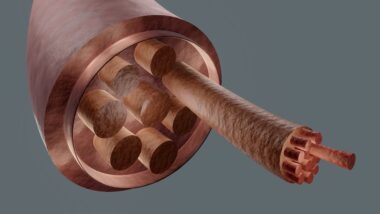
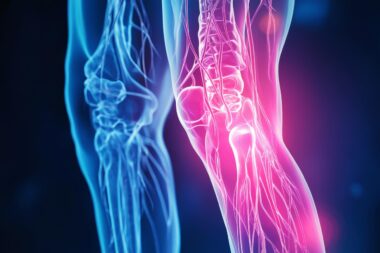
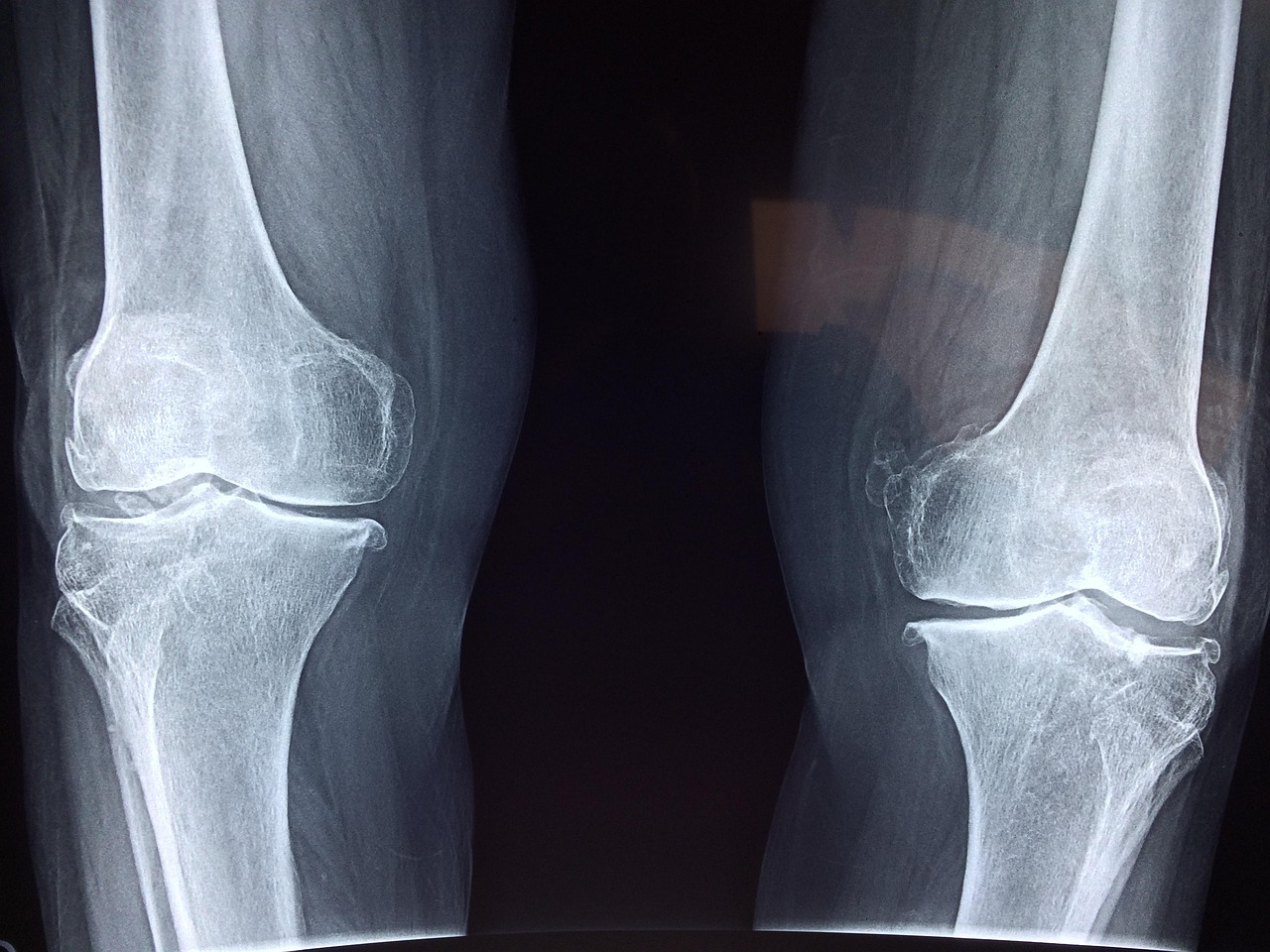
Understanding the anatomy of muscles and joints is essential for anyone interested in injury prevention. Muscles are responsible for movement, strength, and posture, improving overall physical performance. Understanding their structure helps identify potential injury points and enhance workout efficiency. Similarly, joints serve as connections between bones and facilitate movement. They enable flexibility and provide stability. The major types of joints include synovial, hinge, ball-and-socket, and pivot joints, each contributing to a wide range of motions. Proper knowledge of joints can help in designing training programs that minimize injury risk, while proper warm-up and cool-down can aid recovery. Muscle groups such as the quadriceps, hamstrings, and calves require special attention during workouts. They support proper movement mechanics and protect joints. Engaging in targeted strength training for these muscles can help maintain structural integrity, enhance flexibility, and improve performance. Incorporating balance and flexibility training also reduces injury chances. Overall, awareness of muscle and joint anatomy forms the foundation for a safer and more effective fitness journey.
One major aspect of injury prevention involves understanding muscle imbalances and compensations that can lead to injuries. Muscle imbalances occur when one muscle group becomes stronger or tighter than its opposing group. This can lead to joint instability and overuse injuries. For instance, tight hip flexors can lead to lower back pain by affecting posture and gait. Regular stretching for the hip muscles and strengthening of the glutes can help restore balance. It’s essential to include exercises that target both sides of the body to prevent dominance of one side over the other. Incorporating unilateral exercises like single-leg exercises can be beneficial. Furthermore, learning proper lifting techniques is vital. Poor form while lifting weights or performing daily activities can lead to acute injuries and chronic pain. Utilizing the right biomechanics, such as engaging the core and maintaining a neutral spine, can dramatically reduce the risk of injury during physical activities. Additionally, considering individual differences such as mobility level and pre-existing conditions when developing a fitness program is vital. Customized programs that accommodate individual limitations can enhance safety and effectiveness.
The Importance of Flexibility
Flexibility is an essential factor in injury prevention and overall athletic performance. When muscles and joints are flexible, they can withstand greater force and a wider range of motion. This results in optimal movement efficiency and a reduced risk of strains and sprains. Engaging in regular stretching routines increases flexibility, improving blood flow to muscles, and promoting recovery. Static and dynamic stretching are powerful tools. Dynamic stretching, which involves active movements that gently take joints and muscles through their range of motion, is particularly beneficial during warm-ups. Meanwhile, static stretching helps elongate tight muscles and should be performed post-exercise when the muscles are warm. Yoga and Pilates offer excellent opportunities to enhance flexibility while also improving balance and posture. These practices encourage body awareness, which is beneficial for recognizing and addressing potential weaknesses. Moreover, integrating flexibility training into your exercise regimen can enhance performance in sports and daily life. Ensuring comprehensive training that involves strength, flexibility, and balance greatly contributes to injury prevention and overall well-being. A proactive approach to flexibility creates awareness about one’s limitations and helps develop greater strength around vulnerable areas.
Understanding how muscles work in synergy during physical activities is crucial for preventing injuries as well. Muscle groups often work together to perform movements efficiently. For example, during a squat, the quadriceps, hamstrings, and glutes participate collectively to lower and raise the body. Any weakness in one group can lead to overload in others, risking injuries. Therefore, developing a balanced strength regime that targets all muscle groups is essential. Additionally, functional training, which emphasizes movements experienced in daily life, can enhance muscle coordination and joint stability. Resistance training focused on multi-joint movements, like deadlifts and lunges, helps strengthen supporting muscles and enhance overall functional capacity. Moreover, the integration of core training cannot be overlooked. A strong core supports the spine and provides stability for all dynamic movements. Planks, bridges, and rotational exercises improve core stability significantly, reducing the likelihood of injury during more intense physical activities. Recognizing the importance of each muscle’s role in movement can empower individuals to train intelligently and prevent injury. Adopting a comprehensive approach that emphasizes strength, flexibility, and functional movement creates a well-rounded injury prevention strategy.
Nutrition and Recovery
Nutrition plays a crucial role in muscle and joint health and, consequently, in injury prevention. Adopting a diet rich in anti-inflammatory foods is beneficial for muscle recovery and joint function. Foods such as fatty fish, berries, leafy greens, nuts, and olive oil contribute to reducing inflammation in the body. Staying well-hydrated is also essential for joint lubrication and muscle function. Dehydration can lead to muscle cramps and increased injury risk. Post-exercise recovery is further enhanced through proper nutrition. Consuming a balanced meal containing protein and carbohydrates within 30 minutes post-exercise aids in muscle recovery and rebuilding. Including lean proteins like chicken, fish, or legumes supports muscle repair, while carbs replenish glycogen stores. Taking time to rest and recover is also crucial. Overtraining can lead to fatigue and injury susceptibility. Alternate hard and easy workout days, and incorporate rest days into your routine to give your body adequate recovery time. Listening to your body and addressing soreness or fatigue promptly can prevent more severe injuries from developing. Prioritizing nutrition, hydration, and rest forms a holistic approach to maintaining muscle and joint health.
Finally, proper footwear and equipment play an integral role in injury prevention related to muscle and joint anatomy. Wearing shoes that provide adequate support and cushioning is essential for both everyday activities and specific sports. Shoes should be appropriate for the activity being performed, as different sports have varying demands on muscles and joints in the feet and legs. For example, running shoes offer cushioning, while basketball shoes provide ankle support to minimize risks of sprains. Additionally, using appropriate equipment that supports movement mechanics is crucial. This includes using proper ergonomic tools for activities like lifting. Ensuring that your environment is conducive to safe movement helps prevent injuries. Regularly replacing worn-out shoes and equipment can help ensure that they provide the needed support and protection. It is also important to engage in regular gait analysis or assessment to identify any movement deficiencies that could lead to injuries. By remaining aware of your body and its requirements, you can make proactive choices that support safety and performance. Integrating the correct footwear and equipment into your training routine ultimately contributes to injury prevention.
In conclusion, understanding the anatomy of muscles and joints is fundamental for effective injury prevention. Integrating knowledge about muscle structures and functions into fitness programming greatly enhances safety and performance. Furthermore, focusing on flexibility, strength, and balanced training routines ensures that all muscle groups work cohesively. Maintaining proper stretching and recovery protocols, along with thoughtful nutrition, further supports overall muscle and joint health. Ensuring the use of appropriate footwear and equipment helps mitigate risks associated with physical activities. When all these elements are combined, individuals can pursue their fitness goals with greater resilience and reduce the likelihood of injuries. Developing a well-rounded understanding of anatomy empowers people to perform at healthier and safer levels. Embracing holistic principles of muscle care promotes healthy training practices that last a lifetime. Achieving a balance of strength, flexibility, and adequate recovery allows individuals to enjoy the benefits of an active lifestyle. Injury prevention requires ongoing education, dedication, and proactive strategies that focus on the intricacies of muscle and joint functions. A commitment to this understanding leads to a safer and healthier journey in fitness.