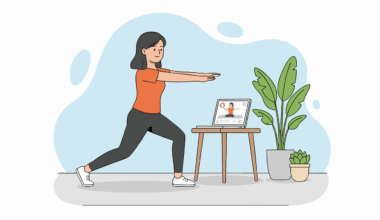

Incorporating Pelvic Floor Exercises Early in Pregnancy
During the first trimester of pregnancy, being mindful of exercise is vital for your well-being. One often overlooked aspect of fitness is the incorporation of pelvic floor exercises. These targeted workouts not only enhance the physical health of expectant mothers but also prepare the body for the upcoming stages of pregnancy and labor. Strengthening the pelvic floor can alleviate common pregnancy discomforts such as urinary incontinence, a condition affecting many women during pregnancy and after childbirth. Additionally, these exercises provide an opportunity to maintain a connection with your body as it undergoes transformative changes. It is essential to consult with your healthcare provider before beginning any new exercise routine. They can offer personalized advice based on your health situation and pregnancy stage. Engaging in these pelvic floor workouts for about 10-15 minutes a day can yield impressive results. You may also integrate them into your daily activities. To maximize benefits, focus on techniques such as Kegel exercises, ensuring proper breathing and muscle engagement throughout the practice.
It is essential to understand the fundamentals of pelvic floor exercises to ensure effectiveness. Kegel exercises, which involve contracting and relaxing the pelvic muscles, are the most recognized and practiced form. A basic guide involves identifying the correct muscles by stopping urination midstream; this helps in pinpointing the pelvic floor. Once identified, the technique involves tightening the muscles for a count of five, followed by a relaxation phase of five counts. Over time, you can incrementally increase both the contraction and relaxation durations. Another effective exercise is the bridge, which employs both the pelvic floor and lower body muscles. Start by lying on your back with your knees bent and feet flat on the floor. As you lift your hips towards the ceiling, engage your pelvic floor before lowering back down. Incorporating breathing techniques is also crucial; inhaling deeply can help expand the abdomen while exhaling can engage the pelvic floor more effectively. Emphasize regular practice to see significant benefits; try setting a reminder on your phone to keep you motivated and accountable during this critical phase.
Benefits of Engaging in Pelvic Floor Exercises
The benefits of incorporating pelvic floor exercises during the first trimester extend beyond immediate physical improvements. Strengthening these muscles contributes to better posture, reduced back pain, and enhanced bladder control, which are common concerns for pregnant women. As your pregnancy progresses, stronger pelvic muscles will also assist in labor and recovery post-delivery. Engaging in these exercises can help minimize the risk of complications associated with weakened pelvic support, such as prolapse. Furthermore, practicing these movements can foster a greater awareness of your body and its capabilities. With a growing bump, maintaining body awareness is beneficial to ensure you adjust movements and postures accordingly. Many women report feeling more empowered and confident throughout their pregnancies when they prioritize their fitness; thus, pelvic floor exercises are a significant component of a complete fitness regimen. Additionally, these workouts can improve sexual health and satisfaction by increasing the strength and control of pelvic muscles. Finally, committing to these practices can create a routine that boosts overall mood and well-being during this transformative journey.
To effectively establish a daily routine for pelvic floor workouts, consider designing a simple yet engaging program. Allocate specific times of the day for these exercises, ensuring that it fits your schedule. You might want to pair these exercises with other activities such as watching television or reading, making it more enjoyable. Using props, such as a stability ball or a resistance band, can add variety and challenge to your routine. Moreover, practicing mindfulness or relaxation techniques can enhance your connection with your pelvic area during workouts. Maintaining a calm environment with soothing music or a serene space can facilitate better focus. Leading a community or joining a support group is another way to remain committed; this allows motivation through shared experiences. Keep track of your progress to stay motivated and encourage personal growth. Record completed workouts in a planner or use fitness apps designed for prenatal workouts. Engaging with your healthcare provider is also crucial to adjust your regimen based on how your body feels and changes. Remember that consistency is the key to success!
Common Mistakes to Avoid
While practicing pelvic floor exercises, it is imperative to avoid several common mistakes that might compromise their effectiveness. First and foremost, ensure you are not using the wrong muscles; many people accidentally engage their abdominal, leg, or buttock muscles instead of the pelvic floor. As previously mentioned, perform an initial urination test to identify the correct muscles. Additionally, do not rush through the exercises; proper technique and timing are essential for optimal benefits. Failing to breathe properly can hinder your performance; remember to inhale during relaxation and exhale during engagement. Moreover, avoid holding your breath, which adds unnecessary tension to the upper body and can lead to fatigue. Lastly, be cautious about overdoing it; these muscles need time to recover, and practicing too frequently may lead to strain. Instead, prioritize quality over quantity, ensuring each contraction is intentional and controlled. Taking the time to develop good habits in the initial phase can lead to long-term success throughout your pregnancy and into motherhood.
Incorporating pelvic floor exercises into your first trimester fitness routine can provide foundational strength and confidence. Not only do they prepare your body for the challenges ahead, they also promote overall physical well-being and emotional stability. It is crucial to approach these exercises with patience and care, acknowledging that every pregnancy journey is unique. Stay attuned to your body’s cues and adapt your routine for comfort and efficacy. Many women find that adding relaxation techniques improves the experience and outcomes of their workouts. Techniques such as gentle yoga or deep belly breathing can enhance your connection with your body. Furthermore, consider incorporating educational resources, including books or online classes, that focus on prenatal fitness and pelvic health. Actively participating in these activities increases knowledge and commitment to your fitness journey during pregnancy. You may also explore local or virtual classes that specialize in prenatal exercise to add a social component to your routine. Sharing experiences with fellow expectant mothers can serve as additional motivation and create a supportive network during this crucial time in their lives.
Conclusion: Embracing Pelvic Floor Exercise for Longevity
In conclusion, actively incorporating pelvic floor exercises during the first trimester of pregnancy is essential for physical, emotional, and mental resilience. By fostering strength in these crucial muscles, you pave the way for an empowered pregnancy journey and recovery postpartum. The habits formed in this early stage can last a lifetime, improving overall health and fitness. Additionally, being mindful of the broader aspects of fitness, including nutrition and mental wellbeing, contributes to a holistic approach to prenatal care. Stay informed about the latest guidelines and recommendations from healthcare professionals, as they can provide tailored advice based on your unique circumstances. As you embrace this significant life change, remember to engage in consistent self-care practices that include physical activity, wellness, and mindfulness techniques. Fostering a positive mindset will nourish your emotional health, which is just as critical as your physical health during pregnancy. Take in-depth knowledge from credible resources to educate yourself continually and make informed decisions about your fitness and well-being. A proactive approach will empower you, creating a lasting foundation for your blossoming family.