
How to Create a Brain-Healthy Meal Plan for the Week
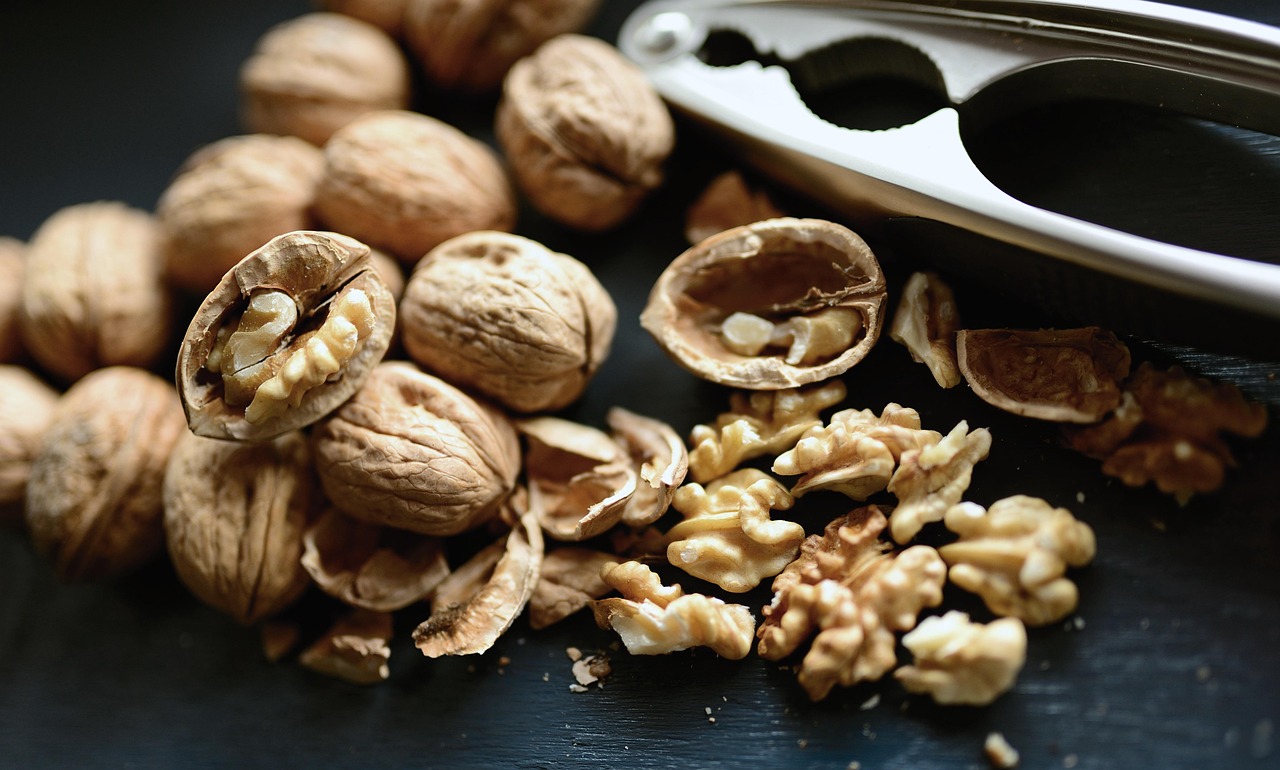
Planning brain-healthy meals involves selecting foods rich in nutrients that support cognitive function. Start by incorporating leafy greens such as spinach and kale, which are loaded with antioxidants. Next, include berries, particularly blueberries, known for enhancing memory and concentration. Fatty fish like salmon and mackerel are excellent sources of Omega-3 fatty acids, essential for maintaining optimal brain health. Additionally, nuts such as walnuts and almonds offer a great combination of healthy fats and vitamins. Whole grains such as oats and quinoa provide sustained energy levels throughout the day, allowing your brain to function effectively. Furthermore, spices like turmeric have anti-inflammatory properties, which may help prevent cognitive decline. Aim to balance these foods across your meals to optimize their benefits. To make meal preparation easier, consider batch cooking and prepping snacks in advance. This ensures that you always have brain-boosting options available. Finally, stay hydrated by drinking plenty of water, as dehydration can negatively affect cognitive performance. By systematically choosing your meals with these ingredients in mind, you can create an effective meal plan that supports brain function and enhances mental clarity.
It’s essential to level your meal plan according to the brain’s nutritional needs. Begin your day with a wholesome breakfast that combines fiber and protein. For instance, consider oatmeal topped with walnuts and fresh blueberries. This combination provides both immediate and sustained energy levels to kickstart your metabolism while enriching your brain with nutrients. Mid-morning snacks should feature raw vegetables or a handful of nuts to prevent energy dips. Lunch can include a salad rich in colorful vegetables along with a protein source such as grilled chicken or chickpeas, drizzled with a vinaigrette made from olive oil for healthy fats. Afternoon snacks can be fresh fruit or yogurt. Dinners should feature fish or lean meats, paired with sweet potatoes and steamed broccoli. These choices ensure a balanced intake of proteins, fats, and carbohydrates vital for brain function. Don’t forget to experiment with different recipes and cooking methods to keep your meals interesting. Meal variety not only prevents boredom but also ensures you receive a wide range of nutrients. With careful planning, you can enjoy meals that are not only healthy for the brain but also delightful to the palate.
Incorporating Variety into Your Brain-Healthy Meals
Incorporating variety into your diet is vital for providing a broad spectrum of essential nutrients. To ensure your meals remain engaging and enjoyable, consider replacing the proteins you use in your meals regularly. For example, alternate between chicken, turkey, plant-based proteins like lentils, and fish each week. Experiment with different cooking methods too to yourself engaged with your food while infusing new flavors. Further, stir-fries, grill, or bake seasonal vegetables to enhance their health benefits while adding character to your meals. Similarly, try different grains—consider quinoa, farro, or brown rice as alternatives to simple pasta. Pair grains with diverse ingredients such as herbs and spices to discover new taste horizons. Making colorful meals not only pleases the eye but also aids in ensuring a range of nutrients. Additionally, changing snack options regularly aids in maintaining interest and excitement. Keep rotating nuts, seeds, or fruit choices every week or implement a snack calendar. These changes provide essential vitamins, minerals, and antioxidants while keeping your brain health in peak condition. Don’t forget about herbs, too, as they can improve mood and concentration while enhancing the flavor of your dishes.
When thinking of meal preparations, the importance of hydration cannot be overlooked. Staying hydrated is crucial for brain health, as even mild dehydration can impair cognitive functions. Aim to drink at least eight 8-ounce glasses of water each day; however, needs can vary based on activity levels and climate. Incorporating hydration into your meal plan is straightforward. Add both water-rich fruits and vegetables, such as cucumbers, watermelon, and oranges, to your diet. Herbal teas can serve as a hydrating alternative, especially in colder months. Invest in a reusable water bottle to keep track of your intake. To add variety, consider infusing your water with herbs like mint or slices of citrus fruits to make drinking them more appealing. Creating a visually appealing hydration chart can motivate you to reach your daily goals. You can also track hydration levels using apps on your phone. By prioritizing hydration, you aid your brain in maintaining optimal performance and clarity. Commitment to hydration not only enhances cognition but also supports overall health, making it an essential component of any brain-healthy meal plan.
Shopping for Brain-Boosting Ingredients
Shopping for brain-boosting ingredients requires a strategy. When at the grocery store, begin by choosing a perimeter path. The perimeter usually houses fresher foods such as fruits, vegetables, meats, and dairy, while processed snacks can often be found in the aisles. Create a shopping list to steer your choices towards brain-healthy options. Examples include leafy greens, an array of colorful vegetables, fatty fish, nuts, and whole grains. Read food labels to avoid added sugars and preservatives that can sabotage your health. When selecting packaged foods, opt for whole ingredients over processed foods; this approach helps ensure you consume essential nutrients. Frozen fruits and vegetables are also great options when fresh produce isn’t available. They retain nutrients and can be incorporated into smoothies or cooked dishes. Buying in bulk can help save money, especially for grains and nuts. It also reduces the need for frequent trips to the store, making meal prep smoother. For those passionate about quality, consider visiting local farmer’s markets where you can find fresh, locally-sourced produce that supports community health as well as your diet.
Preparing brain-healthy meals can be enjoyable when approached mindfully. Start by creating a meal prep day into your routine to minimize stress during the week. Devote a couple of hours weekly to cook bulk meals or prepare ingredients for quick assembly during busy days. Consider Sunday as your designated meal prep day. Cook larger portions and store them in convenient containers for future meals. Use clear containers to avoid forgotten leftovers and promote easy access. Simple recipes such as soups or stir-fries can provide necessary nutrients in one dish, making meal planning seamless. Making use of a slow cooker or instant pot can further simplify the cooking process as they allow you to prepare meals with minimal effort. Batch cooking grains or proteins will save time during the week. Don’t forget to freeze portions for later use, minimizing waste and providing quick meals in the future. Furthermore, keeping a few prepped snacks on hand will help you avoid unhealthy options and keep your brain energized. With some preparation, you can maintain a balanced diet that enhances cognitive function and keeps your meals vibrant and satisfying.
Maintaining Balance and Moderation
While focusing on brain-boosting foods is vital, moderation plays an equally crucial role in overall health. Including occasional treats in your meal plan can prevent feelings of deprivation and discouragement. This approach can promote sustainability in healthy eating habits over the long term. Balance your meals by ensuring a variety of flavors and textures while keeping portion sizes in check. For example, if you enjoy a rich dessert, consider scaling back on less nutritious components in earlier meals or sharing the treat with others. A healthy approach to cooking includes choosing healthier fats, reducing salt, and incorporating plenty of herbs and spices for flavor. Remember that it’s also okay to indulge from time to time and enjoy the pleasures of eating. Social and cultural aspects of sharing food should not be disregarded, as they too contribute significantly to mental well-being. Learning to enjoy food without guilt can be important for a sustainable healthy lifestyle. By treating your body well with nourishing foods and embracing balance, you can maintain a fulfilling and brain-healthy lifestyle.
Conclusion
In conclusion, creating a brain-healthy meal plan is achievable through careful planning and intentionality. By incorporating a variety of nutrients that support cognitive function, you can positively impact your brain health. Emphasize the importance of whole foods, healthy fats, and hydration to ensure your brain remains sharp and focused. Remember that staying consistent with these practices can lead to more significant health benefits. Understand that proper nutrition is not merely a diet but a lifestyle choice that supports brain function and overall well-being. Mix and match your meals to establish a routine that excites you, ensuring you stay motivated to maintain healthy eating habits. Prioritize meal prep times, balance in your meals, and a positive mindset towards food. Modify your meal plans as needed to adapt to your changing preferences, and remember to enjoy the journey of healthy cooking. As you embark on this nutritional path, you are fostering not just good habits for your brain but enhancing your overall well-being. With every thoughtful choice, you contribute to an active and healthy brain for years to come.