
How Supplements Can Help Slow Down the Aging Process
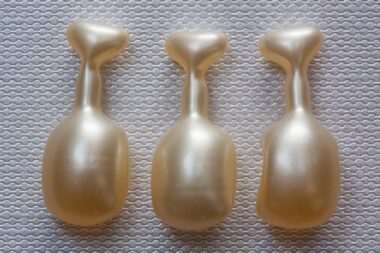
The aging process is something that every individual must face eventually, leading many to seek ways to slow it down. Anti-aging supplements have gained popularity for their potential benefits in promoting longevity and enhancing the quality of life. These supplements come in various forms, including vitamins, minerals, and herbal extracts. For example, Vitamin E and Vitamin C are known for their antioxidant properties, which can help combat oxidative stress that accelerates aging. Another notable supplement is Coenzyme Q10, which supports cellular energy production while protecting the skin from aging effects. Research has shown that certain amino acids, like L-carnitine and glycine, may also boost metabolism and improve recovery times. In addition, many individuals are now looking towards collagen supplements to improve skin elasticity and reduce wrinkles. These supplements can help maintain a youthful appearance by enhancing skin hydration and firmness. Always remember that while supplements can show promising effects, they should be a part of a balanced approach that includes a healthy diet and regular exercise for the most significant benefits regarding aging and overall health.
Many individuals may wonder how to choose the right anti-aging supplements. It is essential to consider various factors before deciding on the supplements that may work best for you. First, consult with a healthcare professional to assess any specific needs or deficiencies that you may have. They can recommend tailored supplements based on your health conditions, age, and lifestyle. Research is important, as not all supplements are created equal, and some may not have sufficient scientific backing. Look for reputable brands that conduct thorough testing and source high-quality ingredients. Some popular ingredients to consider include resveratrol, known for its potential to promote heart health and longevity, and NMN (Nicotinamide Mononucleotide), linked to increased cellular repair. Additionally, make sure to check for any possible side effects or interactions with existing medications. It’s equally vital to understand that the effectiveness of supplements can vary from person to person, so maintaining patience and a long-term perspective is crucial. For achieving optimal results, consider combining these supplements with a structured diet, regular fitness regime, and adequate rest to promote healthy aging.
The Role of Antioxidants in Aging
Antioxidants play a pivotal role when it comes to anti-aging, as they help neutralize free radicals that cause cellular damage. Free radicals are unstable molecules produced when our bodies convert food into energy and can lead to oxidative stress, a key factor in aging. Several well-researched antioxidants offer fantastic benefits, including Vitamins A, C, E, and minerals such as selenium and manganese. These nutrients can effectively protect the body against oxidative damage, support skin health, and decrease the appearance of aging signs such as wrinkles and fine lines. Furthermore, incorporating superfoods into your diet can complement antioxidant supplements exceptionally well. Foods like blueberries, spinach, nuts, and green tea are loaded with antioxidants and can make a considerable difference in your skin’s appearance. Studies suggest a well-rounded intake of antioxidants can significantly contribute to heart health and improve cognitive function. In this way, antioxidants address various aspects of health, working synergistically to promote longevity. Therefore, pairing antioxidant-rich foods with appropriate supplements can yield remarkable results in your anti-aging regimen.
Another significant aspect of anti-aging supplements is their potential impact on hormonal balance. As individuals age, hormonal levels naturally fluctuate, often leading to various physical and emotional changes. Hormonal therapies gained attention for managing symptoms related to aging, cortisol levels, and testosterone in men and women. However, alternatives like DHEA (dehydroepiandrosterone) supplements have been popularized for their potential benefits in improving mood, sustaining energy levels, and enhancing overall vitality. Additionally, some women find that estrogen and progesterone supplements can help alleviate menopausal symptoms such as hot flashes and mood swings. However, there are debates surrounding hormone replacement therapy, making it crucial to research thoroughly and consult healthcare providers before incorporating hormonal supplements. Identifying the proper supplements can be challenging, but keeping every individual’s unique needs and symptoms in mind can help narrow down options. Furthermore, supplements should only complement a robust lifestyle that includes proper nutrition and physical activity to achieve the most beneficial results in managing age-related changes.
Impact of Diet on Aging
The foods we consume have an enormous effect on how we age, and the right diet can significantly complement anti-aging supplements. Emphasizing whole foods such as fresh fruits, vegetables, whole grains, healthy fats, and lean proteins is essential for promoting optimal health. A diet rich in omega-3 fatty acids from fish like salmon can contribute positively to cognitive function and skin health. Additionally, incorporating fiber-rich foods may help maintain digestive health and a healthy weight, another crucial factor in the aging process. The Mediterranean diet, high in antioxidants and anti-inflammatory properties, has been studied and shown to yield remarkable benefits for longevity. Supplementing your diet with foods rich in vitamins and minerals will further enhance your intake, maximizing the effectiveness of any anti-aging supplements. Also, staying hydrated is vital for maintaining skin elasticity and health. Drinking plenty of water and herbal teas can assist in detoxifying the body and improve overall cellular function. Healthy dietary choices paired with targeted supplements can create a comprehensive strategy for managing the aging process and can significantly elevate the quality of life.
Physical activity is another essential component of a well-rounded anti-aging strategy. Exercise has numerous benefits that can counteract some aging effects, such as maintaining muscle mass, improving bone density, and enhancing mood. Regular physical activity can also boost metabolism, assist with weight management, and increase energy levels, all of which contribute positively to aging. Strength training exercises, aerobic activities, and flexibility routines are vital for maintaining overall wellness. Many individuals find incorporating supplements like protein powder beneficial for meeting their dietary needs for optimal muscle recovery and growth. Other potential supplements that can aid physical performance include branched-chain amino acids (BCAAs) and creatine, which support muscle and bone health. Additionally, engaging in activities that promote mental well-being, such as yoga or tai chi, can synchronize the body and mind while reducing stress. A healthy balance of various forms of exercise, proper nutrition, and appropriate supplement intake can effectively contribute to managing the aging process holistically and ensure individuals lead active, fulfilling lives.
Final Thoughts on Aging Gracefully
Aging gracefully is about adopting a comprehensive lifestyle that encompasses proper nutrition, physical activity, and the right supplements. It is vital to recognize that no single supplement will provide a magical solution; instead, they should be approached as supportive components of a rounded approach. Working alongside healthcare professionals can ensure that you are selecting appropriate supplements tailored to your personal health requirements. Being mindful of lifestyle choices such as avoiding smoking, limiting alcohol intake, and managing stress effectively can significantly contribute to better aging. The journey of aging is a natural process, and embracing it with a positive mindset can yield profound results in enhancing one’s overall well-being. Take time to reflect on your current habits and recognize areas for improvement that can aid your approach to aging. Education and research are essential tools for making informed choices. So, stay proactive about your health, and remember that a combination of good diet, regular exercise, and focused supplementation can help you navigate the aging process more gracefully.