
How Antibiotics Influence Your Gut Microbiota and Recovery Strategies
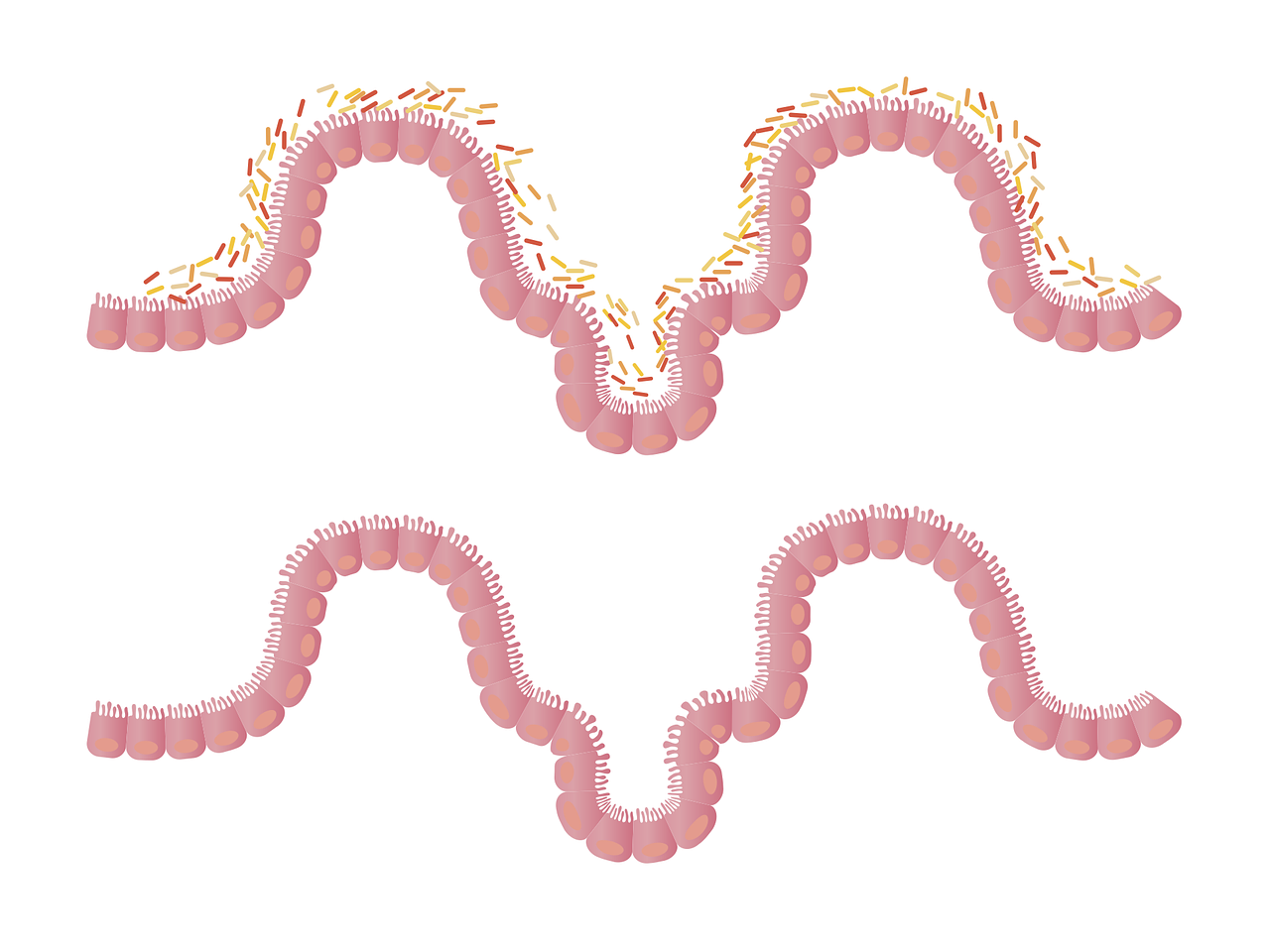
Antibiotics are crucial in modern medicine, treating bacterial infections effectively. However, their impact extends beyond targeting harmful pathogens; they also disrupt the gut microbiota significantly. This microbiota consists of trillions of microorganisms residing within our intestines, playing a key role in digestion and overall health. When antibiotics are consumed, they do not discriminate between beneficial and harmful bacteria, leading to a decrease in microbial diversity. This can result in gastrointestinal issues, including diarrhea, bloating, and even long-term health consequences such as increased susceptibility to infections. Restoring the balance of gut flora is vital for recovery after antibiotic use. Incorporating fermented foods like yogurt, kefir, and sauerkraut into your diet can help replenish beneficial bacteria. Alternatively, consider taking probiotics and prebiotics to support the restoration process. Additionally, maintaining a balanced diet rich in fiber can contribute to a healthier gut. Being proactive after antibiotic treatment can mitigate adverse effects and promote recovery. Awareness of your gut health and its relation to antibiotic use can significantly impact your well-being. Remember, a healthy gut leads to overall health.
The aftermath of antibiotics can vary among individuals, indicating the need for personalized recovery strategies. Factors influencing recovery include age, diet, and genetics. Young children and older adults may experience different effects on their gut microbiota compared to middle-aged adults. Personalized strategies should account for these differences. A tailored approach might include dietary changes, the introduction of tailored probiotics, and lifestyle adjustments. Monitoring gut health can provide insights into the recovery process; consider regular check-ups with your healthcare provider to assess microbial health. This also allows for additional guidance in implementing effective strategies. Understanding that recovery can take weeks or even months is essential, depending on the antibiotic course and individual factors. Incorporating a food diary can help you track your diet and how it affects your digestion and overall gut health, allowing for adjustments based on your specific needs. Emphasizing whole, minimally processed foods in your diet can enhance recovery and gut flora. Remember that everyone’s microbiota is unique, so what works for one individual might not be suitable for another. Thus, personalized approaches are increasingly recognized in restoring gut health.
Essential Nutrients for Gut Recovery
After antibiotic treatment, restoring your gut health should focus on essential nutrients. Nutrients such as dietary fiber, omega-3 fatty acids, vitamins, and minerals play vital roles in supporting gut health and microbiota recovery. Fiber from sources like fruits, vegetables, legumes, and whole grains can promote the growth of beneficial bacteria. Omega-3 fatty acids, found in fatty fish, flaxseeds, and walnuts, can help reduce inflammation and support gut integrity. Crucial vitamins and minerals, like zinc, magnesium, and vitamin D, are essential in immune function and gut health. Incorporating these nutrients into your daily meals can assist in a smoother recovery. Consider consulting with a registered dietitian to craft a diet rich in these nutrients that meets your needs. It’s also beneficial to explore varying cooking methods, as some may preserve nutrients better than others. Hydration cannot be overlooked, as adequate water intake supports digestion and nutrient absorption. Prioritizing these nutrients and maintaining a balanced diet plays a fundamental role in your recovery process. Emphasizing this can help ensure your gut microbiota returns to optimal health following antibiotic treatment.
The role of lifestyle in gut health cannot be overstated; certain habits can significantly impact recovery. Regular physical activity is linked to improved gut microbiota diversity and overall gut health. Exercise enhances circulation and promotes digestive health, aiding in recovery after antibiotic use. Aim for at least 150 minutes of moderate aerobic activity each week, combined with strength training exercises. Additionally, managing stress effectively supports gut health. Chronic stress can negatively impact gut microbiota and lead to various health issues. Techniques such as mindfulness, yoga, and meditation can be beneficial methods for reducing stress. Sleep is another crucial component; prioritizing quality sleep allows the body and gut to repair and regenerate. Aim for 7-9 hours of restful sleep each night for optimal healing. Additionally, avoid excessive alcohol and tobacco use, as both can significantly disrupt gut health further. Lifestyle modifications, when incorporated into your recovery plan, create a comprehensive approach to restoring gut microbiota balance. Recognizing that these factors play an essential role in recovery fosters healthier habits moving forward. Striving for a balanced lifestyle and diet will ultimately support your gut health journey.
Probiotics and Their Impact
Probiotics are live microorganisms that offer numerous health benefits, particularly following antibiotic use. They can enhance gut microbiota diversity, aid digestion, and improve the overall gut environment. Various strains, such as Lactobacillus and Bifidobacterium, can help restore balance disrupted by antibiotics. Research supports the efficacy of probiotics in preventing diarrhea linked to antibiotic use and reducing gut-related symptoms. Including probiotic-rich foods, such as yogurt, kefir, kombucha, and miso in your diet is an effective way to introduce these beneficial bacteria. Alternatively, over-the-counter probiotic supplements can be considered, but selecting high-quality products with adequate strains and colony-forming units is essential for effectiveness. Consulting with a healthcare professional can provide guidance in choosing suitable probiotics for your needs. Incorporating these beneficial microorganisms into your diet can assist immensely in recovery. Pairing probiotics with prebiotics—fibers that feed beneficial bacteria—also enhances their effectiveness. Foods rich in prebiotics, like garlic, onions, and bananas, are excellent companions. Balancing probiotics and prebiotics in your diet can significantly improve gut health and promote successful recovery from the adverse effects of antibiotics.
Maintaining a balanced and diverse diet is essential for replenishing gut microbiota after antibiotic treatment. The principle of dietary diversity emphasizes that no single food can deliver all nutrients necessary for optimal health. A varied diet supports a wide range of microbiota and helps maintain gut balance. Include various food groups: fruits, vegetables, whole grains, proteins, and healthy fats in your meals. Each food group contributes unique nutrients beneficial to gut health. For instance, cruciferous vegetables may support liver detoxification, while beans provide substantial fiber for healthy digestion. Experimenting with different cuisines and flavors can make meals enjoyable while maximizing nutritional intake. It is crucial to note the importance of portion sizes; moderation is key in every aspect of diet. Paying attention to your body’s hunger cues can prevent overeating and support healthier choices. Regular meals can stabilize gut function and promote balance in the gut microbiota. Preparing meals at home allows you to control ingredient quality and excludes unhealthy additives. Incorporating diverse, nutrient-dense foods supports recovery after antibiotics, promoting overall health. This holistic approach will also foster long-lasting beneficial habits as you prioritize gut health over time.
Conclusion: A Holistic Approach to Gut Health
Recovering from antibiotic treatment requires a multifaceted approach focusing on nurturing gut health through diet, lifestyle, and awareness. By integrating essential nutrients, diversifying food intake, and incorporating beneficial probiotics, individuals can create an effective recovery strategy. Additionally, personalizing recovery plans according to individual needs proves valuable, considering factors affecting gut health. Remember that lifestyle choices, such as regular exercise, managing stress, and prioritizing sleep, contribute significantly to your overall health. Staying informed about the effects of antibiotic use can help you make better dietary choices afterward. Gain knowledge about the potential risks and how to mitigate them based on your unique gut health. Consulting healthcare providers and registered dietitians can facilitate the journey of gut recovery. Emphasizing the importance of self-monitoring and making gradual changes creates a sustainable path toward better gut health. Embracing this holistic approach ensures your gut microbiota returns to balance, enhancing your overall well-being. As you navigate recovery, persistent efforts toward a healthier lifestyle will yield improved results. Ultimately, a healthy gut supports a thriving body and mind, ensuring you achieve lasting health through informed choices.
Consulting a healthcare professional is vital in navigating gut health strategies, especially after antibiotic use. Experts can offer individualized recommendations based on specific health histories, lifestyles, and dietary restrictions. Educating yourself about gut health encourages proactive decision-making in recovery. Remember to stay hydrated and monitor changes in your digestion, as these can provide insights into your gut health. Overall, focusing on a balanced diet and lifestyle, enriched with diverse foods and nutrients, lays the foundation for robust gut health after antibiotics. Everyone’s microbiome is unique, so ensure your recovery plan aligns with your specific needs and preferences. Invite ongoing discussions about gut health within your community or social circles, as this can foster shared insights and best practices for everyone. Lifelong learning about nutrition and gut health empowers individuals to take charge of their health journey. Always communicate openly with healthcare providers about any concerns or questions. A solid support system can aid motivation during recovery; maintain connections with friends and family who encourage healthy habits. Adopting these strategies will help ensure your gut health remains optimal and stays on track to recovery post-antibiotic use.