
Exercise Immunology in Children
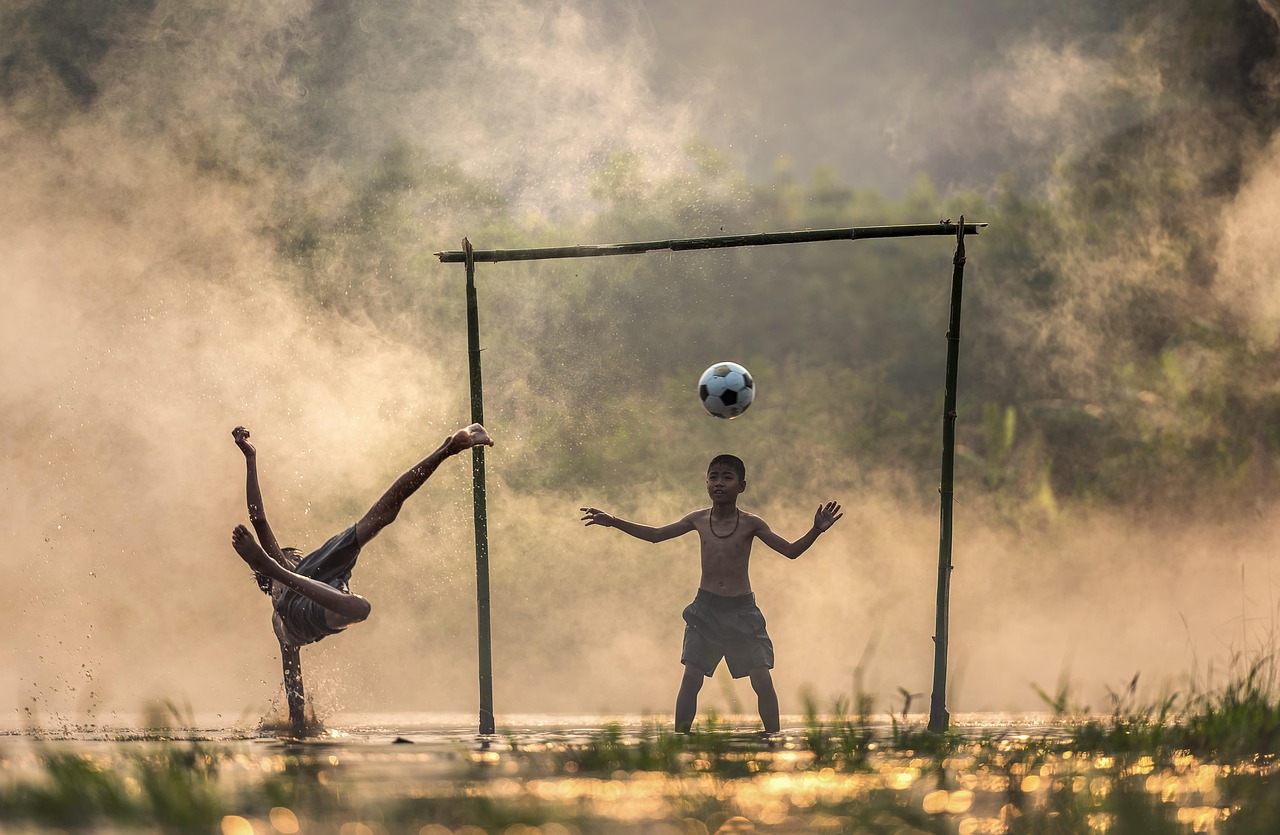
Exercise immunology plays a critical role in understanding how physical activity affects immune function in children. Children are in a unique developmental stage, where their immune systems are still maturing. Engaging in regular exercise has been correlated with improved immune responses, enhancing the ability to fight infections. Moderate exercise is particularly beneficial as it can stimulate various immune mechanisms without causing excessive fatigue. Physical activities like team sports, swimming, and cycling encourage children to maintain a healthy lifestyle and build social skills. These benefits promote overall well-being and can significantly impact lifelong health behaviors. Importantly, children with chronic health conditions may have different immune responses. Therefore, parents and caregivers should consult healthcare professionals to ensure appropriate exercise levels. They can also consider individual factors, such as age, fitness level, and any underlying health issues. Ultimately, creating an environment that encourages active play and sports can foster resilience and improve immune function in young populations. Furthermore, educating children about the importance of exercise and health will help them develop lifelong healthy habits that extend into adulthood, influencing their physical, mental, and social well-being positively.
Exercise Effects on Immune Function in the Elderly
Exercise is equally critical for elderly populations, whose immune systems often experience decline due to aging. Regular physical activity has been shown to enhance immune function and can significantly reduce the risk of infections and diseases in older adults. Low-impact exercises, such as walking, swimming, and yoga, are particularly effective for this age group. These activities improve circulation, facilitate better lymphatic flow, and contribute to maintaining a healthy body weight. It has been noted that moderate exercise may enhance the effectiveness of vaccines, as a healthy immune response is crucial in older adults. Additionally, exercise can help mitigate the effects of chronic conditions, which are prevalent in this demographic. This effect is beneficial not only for physical health but also for mental well-being, reducing symptoms of anxiety and depression common in the elderly population. Overall, engaging in regular exercise in older adulthood fosters vitality and supports immune function. Groups and community programs focusing on exercise can help motivate elder individuals to keep active, which is essential in managing their health and enhancing their quality of life through improved resilience against illnesses and infections.
While both children and the elderly benefit greatly from exercise, the nature and intensity of physical activity must be tailored to their specific needs. Children can often engage in high-intensity bursts of activity without significant adverse effects. Conversely, older adults generally require a more nuanced approach, focusing on low to moderate-intensity activities that emphasize functionality and safety. Setting realistic goals is crucial for both groups, ensuring that they can enjoy the process of exercising rather than feeling pressured to meet certain standards. Increasing social interaction through group activities is essential for both populations, offering emotional support and reinforcing positive behavior changes. Family and caregivers should encourage participation in age-appropriate activities to foster a culture of physical fitness. Furthermore, educators and healthcare providers should champion exercise programs that cater to age-specific needs in schools and communities alike. These initiatives can align with broader public health goals, prioritizing physical activity as a means of enhancing community health. Ultimately, when children and seniors are empowered to exercise safely, public health benefits can flourish, resulting in increased longevity and better overall immunity across diverse populations.
The timing and type of exercise also play a pivotal role in optimizing immune responses in both children and the elderly. For children, engaging in outdoor play and sports contributes to higher levels of Vitamin D, crucial for immune health. Adequate sunlight exposure combined with physical activity also lays the groundwork for encouraging a love of fitness from a young age. On the other hand, elderly individuals may benefit from structured exercise programs that guide them through safe movement practices. This tailored approach can help avoid injuries and encourage adherence to exercise routines. Incorporating physical activity into daily routines offers a major advantage, making exercise a natural part of life rather than a chore. Furthermore, aspects such as proper hydration and nutrition are essential to complement the benefits of exercise. Maintaining a balanced diet rich in antioxidants and vitamins can significantly enhance immune function across both age groups. Education campaigns focused on these health factors can empower families to support healthy habits. As a result, fostering environments where active living is encouraged strengthens community resilience against diseases and can lead to healthier future generations.
Research continues to explore the specific immune markers affected by exercise, highlighting the need for collaborative efforts to identify the best strategies for both children and elderly individuals. For instance, understanding how specific types of exercise—like aerobic versus resistance training—affect immune responses can help tailor recommendations for different populations. Children might exhibit enhanced humor responses after engaging in physical activities, which should be promoted in schools. Similarly, older adults may see improved levels of immunoglobulin after incorporating regular exercise into their routines. These findings underscore the role of regular physical activity in promoting a robust immune system. Health professionals can leverage these insights to develop exercise guidelines that cater to the unique needs of pediatric and geriatric populations. Workshops and training sessions can provide essential information to caregivers, educators, and healthcare providers about the importance of exercise in fostering immune health. Additionally, providing resources to modify activities based on individual capabilities ensures inclusivity. Ultimately, a concerted effort to delve into exercise immunology’s implications for special populations can lay down a pathway for healthier lifestyles and improved health outcomes.
Community engagement plays a vital role in promoting exercise as a means of enhancing immune function among children and the elderly. Initiatives can foster intergenerational activities that bring together various age groups in active pursuits. Examples include organizing community sports days, walking clubs, or fitness challenges, where participation is encouraged across ages. Engaging both children and seniors in activity together can build stronger relationships and promote a sense of belonging within the community. Such events can also emphasize the importance of physical activity in combating conditions like obesity, diabetes, and heart disease, creating a shared goal for families. Schools and local governments can collaborate to establish safe environments for sports and physical activity, prioritizing accessibility and safety in public spaces. Additionally, local health organizations can offer workshops that educate families about the beneficial effects of exercise on immune health. Social media campaigns can amplify positive messaging around exercise and health initiatives. Ensuring that information is easily accessible helps raise awareness and motivate communities. Ultimately, embedding exercise into community culture strengthens ties and enhances mutual support in achieving health goals, fostering a vibrant atmosphere that values physical fitness and well-being.
In conclusion, understanding exercise immunology’s significance in both children and the elderly is critical for promoting optimal health. Physical activity offers numerous advantages, from enhancing immune function to improving mental health outcomes. As this knowledge spreads, it helps inform policies, practice guidelines, and educational efforts aimed at fostering a culture of exercise. Focus on accessible and engaging activities will ensure that special populations can benefit from regular physical activity. Collaboration among healthcare providers, educators, community organizations, and families can create targeted strategies that address the needs of these populations effectively. With proper support, children can grow into resilient adults, while empowering elderly individuals to maintain their health and mobility. Future research will continue to illuminate the pathways through which exercise influences immune function, providing an ever-growing evidence base for these recommendations. This foundational knowledge can shape how society views exercise, reinforcing its importance in being a vital component of a healthy lifestyle. Engaging more individuals in this movement can spark a national dialogue about exercise, health, and community resilience, ultimately leading to improved quality of life for all ages.
As we seek to implement these findings, addressing barriers to exercise participation is essential. For children, factors like screen time and sedentary behaviors are significant challenges. Encouraging parents to prioritize active playtime can be a powerful advocacy message. Additionally, schools must focus on offering diverse physical education programs that inspire and engage students. Strengthening school-community partnerships may also provide additional resources and opportunities for active engagement outside of school hours. For elderly individuals, accessibility issues to facilities and safe walking areas often constrain their ability to exercise. Urban planning and community designs that facilitate safe physical activity are crucial. Moreover, creating supportive environments that encourage elderly community members to take part in exercise programs is vital. Incorporating technology can also assist in making exercise routines more enjoyable. Engaging social media, apps, and devices can help monitor activity levels, ensuring participants remain motivated. Targeted initiatives can help to shift standards and norms around exercise within both young and older populations. Ultimately, successfully overcoming these barriers requires dedication from individuals, families, and communities to prioritize physical fitness as an essential aspect of their culture, ensuring improved health outcomes for everyone.