
Essential Equipment for Community-Based Functional Training Sessions
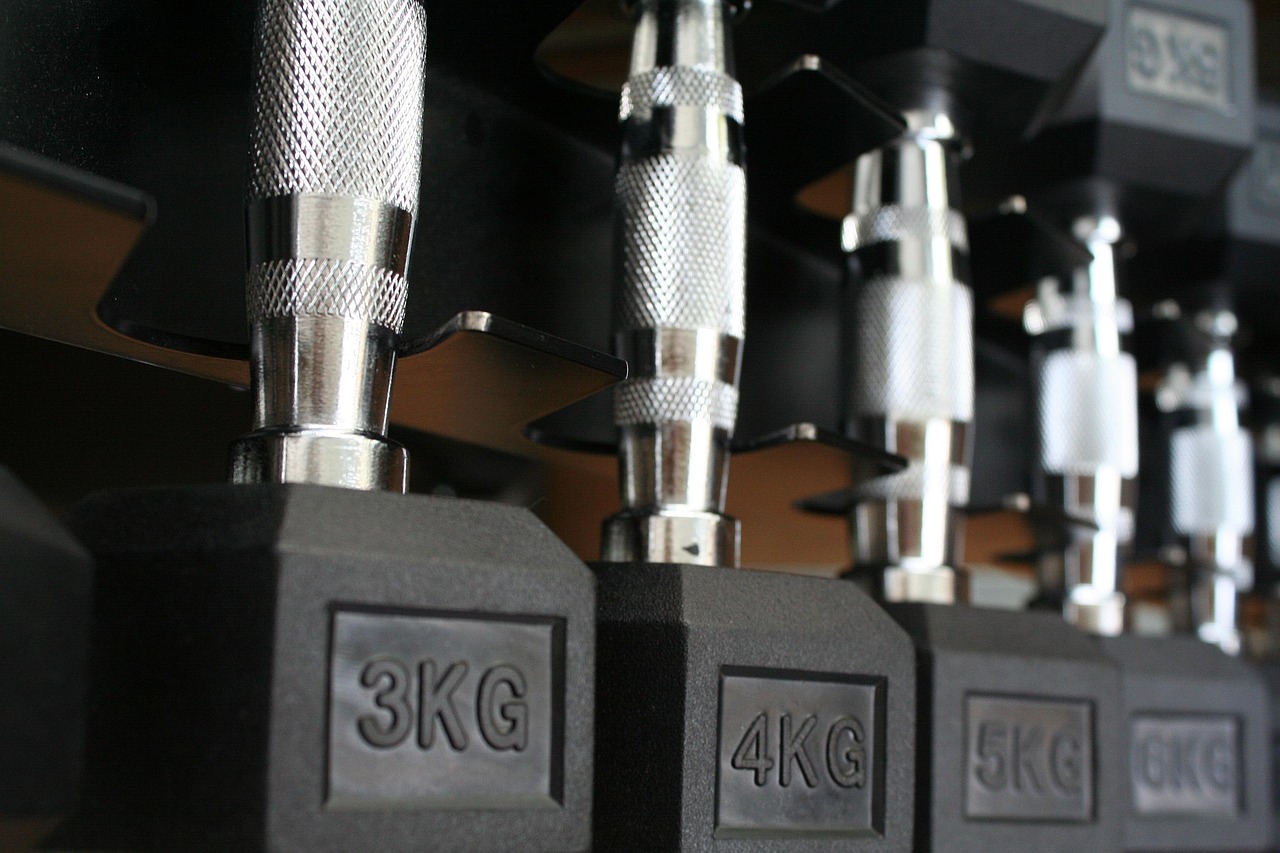
Creating a vibrant community around functional training hinges largely on the equipment that you provide. The right tools enhance engagement and ensure safety, fostering a dynamic workout atmosphere. One of the most crucial items is the stability ball. It challenges the core while offering versatility for various exercises. Additionally, resistance bands are lightweight and portable, great for strength building and rehabilitation tasks. Another essential element is a set of dumbbells, which supports a wide range of strength training exercises suitable for all levels. A foam roller is also significant in this setup, aiding in muscle recovery and flexibility. Moreover, kettlebells are incredibly effective for functional movements, enhancing power and coordination. Plyometric boxes can bolster explosive exercises and agility drills. Lastly, medicine balls are fantastic for partner workouts, improving hand-eye coordination and core strength. When these items are thoughtfully selected and available, they transform community-based functional training, reinforcing collaboration and support among participants while ensuring a comprehensive workout experience that addresses most fitness goals. All these elements together create an inclusive and fun environment to enhance fitness journeys.
When tailoring a functional training program for your community, variety is key. Utilizing different modalities keeps participants motivated and engaged. One way to achieve this is to implement circuit training using the previously mentioned equipment. This helps to maximize workout sessions, allowing individuals to rotate through numerous exercises targeting different muscle groups. Circuit training promotes not only strength but also stamina, which is crucial for functional training. To maintain interest, regularly introduce themed workouts or challenges that utilize the equipment you have. For instance, a kettlebell clean and press challenge can encourage participants to build strength while fostering a sense of camaraderie. Moreover, consider scheduling outdoor sessions that engage community members in different environments. Incorporating nature into workouts can make sessions feel fresh and invigorating. Functional training also emphasizes the importance of bodyweight exercises and how effective they can be for everyone. Using calisthenics allows for adapting workouts based on fitness levels, ensuring inclusivity. Keeping workouts varied means tapping into various training methods, such as high-intensity interval training, circuit workouts, and team-building exercises.
Fostering Strong Relationships through Group Workouts
Building a fitness community thrives on the relationships formed during group workouts. Incorporating partner movements using functional fitness equipment enhances connection among participants. For instance, partner medicine ball tosses or synchronized kettlebell swings create opportunities for communication and encouragement. These interactions help develop social bonds and motivate individuals to push their limits. Additionally, involving participants in planning future sessions fosters ownership within the community. Allowing members to suggest exercises or equipment preferences demonstrates respect for their input and enhances their investment in the group. Regular feedback encourages a growth mindset in the group, enabling adjustments that benefit everyone. Furthermore, fostering a supportive environment where achievements, no matter how small, are celebrated can have a profound impact. This recognition reinforces commitment to fitness goals and solidifies relationships as participants support one another’s progress. Another essential aspect to reinforce these bonds is through creating competition and friendly challenges. Organizing events or contests centered around the equipment mentioned not only boosts morale but also introduces a spirit of fun in functional training sessions, further deepening the community ties.
Another critical consideration for effective community-based functional training is safety and accessibility. It is essential to ensure that all equipment is suitable for a diverse group of individuals. When selecting workout equipment, one should consider various skill levels, adapting all exercises for beginner, intermediate, and advanced fitness levels. Conducting regular equipment checks guarantees reliability and safety during workouts, minimizing the risk of injury. Providing clear guidance on proper techniques is vital, especially when introducing weights like dumbbells and kettlebells. This ensures participants use the equipment correctly, maximizing effectiveness while reducing potential harm. It is equally important to create designated spaces for each type of training to avoid clutter and accidents. Specific zones for different workouts help enhance focus and productivity. Furthermore, hosting workshops on equipment use and training types can empower participants by boosting their knowledge and confidence, equipping them with essential skills for their fitness journeys. Emphasis on safety, accessibility, and education enhances not only individual performance but also promotes a culture of responsibility within the community, providing a solid foundation for lasting relationships.
Creating an Inclusive Environment
Inclusivity is paramount in fostering a thriving fitness community. Emphasizing adaptability in your training regime ensures that everyone feels welcome. Create a culture where all body types and fitness levels are embraced by designing workouts that participants can modify based on their abilities. Use beginner-friendly exercises that allow those new to fitness to feel comfortable and supported. In addition, have knowledgeable trainers available to offer modifications for various exercises to accommodate different needs. Regularly conducting small group sessions can also encourage communication, offering a more personalized training experience. Social events, such as potlucks or fitness challenges, where members gather outside of workout settings, further strengthen community bonds. Creating educational sessions on nutrition and wellness can also promote a sense of togetherness in your community. Moreover, select equipment that is user-friendly, considering individuals with mobility limitations or injuries. All these efforts create an environment where everyone feels valued. When members see their diversity as an asset, they form a stronger bond and are more likely to remain engaged in their fitness journeys together, celebrating their uniqueness and shared experiences.
The design of your training space plays a crucial role in community satisfaction and engagement. An open concept layout allows for collaborative sessions, promoting interaction and teamwork. Adequate space between workout stations fosters safety while allowing participants to observe and learn from one another. It can also create a more social atmosphere, making it easier to mingle before and after sessions. You might want to invest in versatile equipment that doubles for various exercises to save space and resources. Portable items like resistance bands and weights provide flexibility in layout, letting you adapt the space depending on group size. Moreover, ensuring your facility is equipped ADA compliant enhances accessibility for everyone. Consider offering classes in parks or local gyms to maximize your reach, inviting members from diverse backgrounds. If possible, having a dedicated area for warm-ups or cool-downs enhances the training experience. Creating thematic areas such as cardio corners or strength zones brings excitement to the training environment. It gradually contributes to a sense of belonging among community members while making training enjoyable)
Conclusion: Sustainable Community Engagement
Ultimately, sustainable community engagement relies on the adaptability and effectiveness of your functional training program. Regular re-evaluation is vital for ensuring that equipment meets the evolving needs of your group. Actively soliciting feedback post-workout sessions can prompt valuable input, guiding future equipment purchases or programming choices. This ongoing dialogue helps everyone feel their voices are heard, reinforcing their connection to the community. Additionally, regularly updating and refreshing your workout routines keeps members excited and eager to participate. Innovation can come from incorporating trending exercise styles or introducing new equipment based on members’ preferences. Over time, you can create a vibrant fitness culture where diversity is celebrated, and all participants feel a sense of ownership in their fitness journeys. Recognizing significant milestones of individuals contributes to a positive environment, instilling motivation. So, as you invest in building a robust community-based functional training program, keep the focus on collaboration, empowerment, and inclusivity at all times. By creating supportive connections and providing quality equipment, you encourage continuous growth and enhance the overall experience, ensuring that members thrive and stay engaged.