
CrossFit Scaling for Post-Injury Rehabilitation
When working through post-injury rehabilitation, scaling CrossFit workouts is crucial. The objective is to maintain fitness while ensuring safety. Everyone’s recovery journey is unique, depending on the type and severity of the injury. Listening to your body must be prioritized to avoid setbacks. Implementing modifications can enable participation in classes alongside others, reducing feelings of isolation. Moreover, it fosters a strong community within the gym. Look for movements that can be adjusted or substituted with appropriate alternatives. For instance, instead of regular push-ups, consider performing incline push-ups to reduce strain on the shoulders. If lower body movement is painful, use resistance bands or lighter weights for squats. Consulting a qualified coach can provide insights for optimum scaling options tailored to individual needs. It’s essential to communicate openly about limitations. This allows coaches to offer real-time advice and suggestions. Remember, the primary goal is to rebuild strength without aggravating the injury. Fitness doesn’t have to be sacrificed during recovery. Instead, it becomes a way to initiate a safe return to form. Stay dedicated, focused, and patient through the rehabilitation process for successful reintegration into CrossFit.
One effective approach in scaling CrossFit post-injury involves prioritizing mobility and flexibility. When the body is healing, often joint stiffness follows as a result of decreased activity. Incorporating dynamic stretching and mobility work can significantly benefit recovery. Focus on range of motion exercises that target affected areas. These mobility sessions are vital as they maintain and improve flexibility, which prevents further injuries. In addition to specific movements, utilizing foam rollers or massage techniques can assist in loosening tight muscles. Collaborate with physical therapists or trainers to devise a flexible training plan centered on mobility. Gradually increase the intensity of workouts as the body heals. CrossFit is founded on varied functional movements, and many of these can be performed at different intensity levels. Engage in lighter weightlifting, lighter kettlebell swings, or slower-paced workouts for cardiovascular training. It’s beneficial to track progress meticulously to understand how your body adapts. Use this information to modify future workouts accordingly. Setting small, achievable goals can create a positive experience during rehabilitation. Celebrate these small victories as they build momentum for long-term commitment. Fostering an optimistic mindset will significantly aid the rehabilitation journey.
Nutrition plays an integral role in recovery from injuries during the CrossFit journey. Proper nutrition support can enhance healing, reduce inflammation, and promote muscle recovery. Consuming a balanced diet with adequate protein is essential for tissue repair and growth following injuries. Incorporate lean meats, fish, legumes, and dairy products into meals to boost protein intake. Healthy fats should also be prioritized in meals, as they help in reducing inflammation. Foods rich in omega-3 fatty acids, such as avocados and walnuts, are particularly beneficial. Staying hydrated is another critical aspect during recovery. Water facilitates nutrient absorption and efficient body function. Monitor water intake and consider hydration supplements to optimize performance. Proper timing of nutrition around workouts can provide the necessary energy as well. Additionally, consult with a nutritionist familiar with CrossFit to craft an individualized nutrition plan that aligns with rehabilitation goals. Optimize meal prep to streamline dietary adherence. Focusing on whole, nutrient-dense foods maximizes energy levels and enhances recovery. Overall, integrating nutrition alongside exercise modifications creates a holistic approach towards recovering safely while maintaining a fitness regimen.
Setting Expectations for Recovery
Injury recovery is a nuanced process that requires an understanding of realistic expectations. Progress may be slower than anticipated, necessitating patience and perseverance. Acknowledge that every individual’s healing timeline will differ depending on numerous factors, including age, health status, and the nature of the injury itself. Regular check-ins with healthcare providers or physical therapists will provide insight into your progress and appropriate adjustments to your plan. Listen carefully to their guidelines and remain adaptable to the recommendations they provide. Maintain open communication with your CrossFit coach regarding your recovery. This collaborative approach ensures that any necessary modifications occur without disrupting the overall training plan. Working towards gradual intensity increases over time, rather than trying to regain pre-injury strength immediately, will yield better results. Track personal metrics such as elevated heart rates or fatigue levels to evaluate workout effectiveness and comfort. It’s important to internalize that setbacks may occur, and that’s entirely normal. Taking the necessary time to heal will ultimately lead to a stronger comeback rather than risking re-injury or permanent damage to the body.
Incorporating Rest Days into the rehabilitation journey is equally essential. Allowing the body to heal necessitates periods of rest and recovery within a workout schedule. Simply put, muscles require time to recuperate and adapt to increased workloads. Define a weekly plan that includes strategic rest days and lighter active recovery options. Gentle yoga or light walking can help promote circulation without imposing undue stress on injured areas. Pay attention to your sleep patterns, as restorative sleep greatly affects overall healing. Support your body’s natural processes with adequate rest and consider practices such as meditation to reduce stress levels. Stress can negatively impact bodily functions, hindering the healing process. Ensure that active recovery times aren’t perceived as downtime but rather as necessary phases of growth. Engaging in conversations about the significance of rest days with your coach and fellow athletes can foster a collective understanding of recovery. Embrace the mindset that rest is a critical component of not just rehabilitation, but also of long-term performance in CrossFit. Establish routines that prioritize balance between work and rest for ongoing success within the sport.
Community and Support
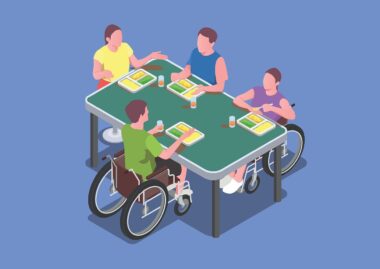
One of the most valuable aspects of CrossFit is its community, especially during post-injury rehabilitation. Finding encouragement within a supportive environment can be incredibly motivating. Many gyms offer group classes where individuals can share their experiences, including struggles and triumphs post-injury. Engaging with others who are on similar paths fosters a sense of belonging, encouraging mutual support. Sharing techniques that worked well or seeking advice from others strengthens this sense of community. Additionally, participating in these groups helps mitigate feelings of isolation that sometimes follow an injury. Many athletes are willing to adapt their journeys, creating an atmosphere where achievements, regardless of their size, are celebrated. Some gyms organize specific sessions focusing on adaptive workouts for those recovering from injuries. Explore these options to ensure a sense of involvement while allowing for personal scaling. Building relationships within the CrossFit community provides accountability, enhancing long-term commitment to your fitness journey. Ultimately, feeling supported, respected, and recognized is paramount to ensure successful rehabilitation. Remember, recovery shouldn’t be experienced in solitude; use the power of community to uplift yourself.
Ultimately, the journey of scaling workouts for post-injury rehabilitation is a personal one filled with challenges and resilience. Celebrate each small victory along the way, as they represent significant progress towards recovery. Being mindful of your limitations while also recognizing the need for constructive growth is a balancing act every athlete must develop. Focus on quality movements at a slower pace rather than attempting to keep up with the class. It’s crucial to establish new benchmarks tailored to your current abilities rather than relying solely on past performances. Customizing your approach will serve both safety and performance as healing progresses. Consider incorporating visualization techniques to enhance both confidence and motivation during workouts. Visualizing successful movements fosters a positive mindset towards achieving goals. Continue to express gratitude for the body’s ability to heal and adapt. Appreciate the process rather than rushing towards the end goal. With dedication, patience, and support from coaches and the community, returning to full strength is achievable. Each step taken is a significant move towards rediscovering your CrossFit potential while learning valuable lessons in the process.