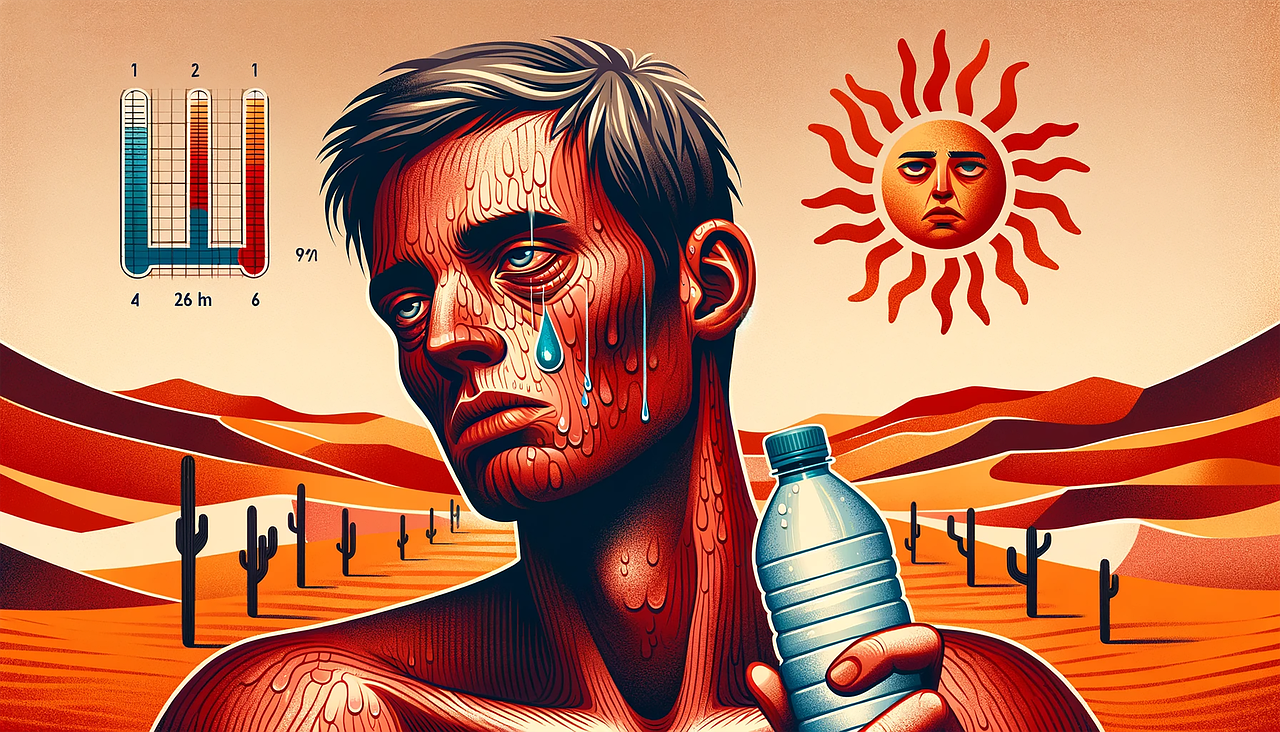

Common Causes and Signs of Dehydration in Hot Weather
Hot weather can make anyone more susceptible to dehydration. This often happens when people do not consume enough fluids to compensate for the increased loss of body fluid through perspiration. During high-temperature days, it’s essential to understand various factors that contribute to dehydration. Strenuous physical activity without adequate hydration is one major cause that should be acknowledged. Additionally, older adults often have a diminished sense of thirst, making it even more crucial for caregivers to ensure they drink enough water. Those suffering from illnesses such as fever, vomiting, or diarrhea lose significant fluids and require immediate replenishment. Medications, especially diuretics, can increase fluid loss and contribute to dehydration. Hot and dry climates can lead to increased evaporation, meaning even when people don’t feel thirsty, their bodies may still require water. Regular hydration checks are critical, particularly in extreme environmental conditions. Make it a habit to drink water regularly, even if you’re not thirsty, especially during outdoor activities. Weather forecasts can help plan hydration strategies too, emphasizing liquid intake during hotter days. Understanding these factors helps in preventing dehydration during summer months.
Recognizing the early signs of dehydration is essential to avoid serious health complications. Common signs may initially be subtle but can escalate quickly if not addressed. One of the first indications is a dry mouth, which occurs when saliva production decreases. In addition to this, thirst is a straightforward indicator that your body needs more fluids. As dehydration progresses, symptoms may include decreased urine output characterized by dark yellow urine, signifying concentrated waste. Fatigue or light-headedness upon standing can mean you’re losing more fluids than expected. Additionally, individuals may experience dizziness, headaches, or muscle cramps, which can be mistaken for general discomfort. It’s vital to acknowledge the intensity of physical activities during hot weather to recognize these symptoms promptly. Severe cases of dehydration can lead to confusion, fainting, or, in tragic situations, heat stroke. It should never be underestimated. Rapid heart rate may also develop as the heart compensates for lower blood volume. Always maintain awareness of these signs, especially during heatwaves, and act immediately by consuming rehydrating fluids or contacting a healthcare professional if symptoms persist. Recognizing dehydration’s signs early can significantly improve outcomes.
Hydration Strategies to Combat Dehydration
Implementing effective hydration strategies can significantly lower the risks associated with dehydration in hot weather. One of the most efficient methods is to always carry a water bottle during outdoor activities. This ensures easy access to fluids. Incorporating electrolyte-rich beverages, such as sports drinks or coconut water, will assist in replenishing lost minerals. Additionally, encourage a routine of frequent hydration breaks, particularly during intense physical exertion. Consuming fruits and vegetables with high water content can enhance hydration levels. Foods like watermelon, cucumbers, and oranges not only fulfill thirst but also provide vital nutrients beneficial for overall health. Monitoring your fluid intake can also help in recognizing the difference between hydration and dehydration symptoms. Adjust your water intake based on your activity level and environmental factors. Consider adding flavor enhancers like lemon or mint to water to encourage drinking more. Additionally, set reminders on your smartphone. This can help in maintaining a consistent hydration schedule. Planning hydration while exercising can help ensure you’re consuming enough fluids throughout the day. By being proactive this way, one can support their well-being during sweltering days.
Understanding how hot weather exacerbates dehydration can empower individuals to take preventive measures. High temperatures lead to increased sweating as the body works to cool itself down, resulting in fluid loss. Depending on activity levels, individuals can lose one to three liters of fluid in an hour during intense exercise in heat. Apart from sweat loss, humid environments make it challenging for sweat to evaporate, thus natural cooling becomes ineffective, leading to even greater fluid needs. Keeping track of your fluid intake becomes increasingly important while engaging in stimulating outdoor activities, especially for children and elderly individuals who are more vulnerable. Remember that by the time you feel thirsty, you may already be dehydrated. Outdoor work or recreation in the hottest hours of the day requires increased awareness and preventive action. Be cautious of engaging in physical activities in extreme heat, as the body requires more fluids to function optimally. It’s crucial to listen to your body and be proactive by drinking extra water in hotter conditions. Knowing how heat impacts dehydration enhances individuals’ performance and safety.
Effects of Dehydration on Health
The effects of dehydration extend beyond mere thirst. When the body loses around 2% of its total water content, various functions may become impaired. One of the most noticeable impacts is cognitive performance, with dehydration leading to decreased attention span and slower reaction times. This can be particularly dangerous for individuals involved in activities such as driving or operating machinery. Were you aware that even mild dehydration can impact mood, making individuals feel fatigued or irritable? Furthermore, dehydration affects thermoregulation, leading to adverse effects during physical exertion. The risk of heat-related illnesses like heat exhaustion or heatstroke significantly increases with dehydration. Dehydration can lead to kidney issues by reducing the ability to excrete waste efficiently, potentially resulting in urinary tract infections or stones. Additionally, joint health may suffer, as cartilage relies on adequate hydration for lubrication. Chronic dehydration can also influence skin elasticity, making it more prone to wrinkles. Regular hydration supports vital bodily functions, promoting overall health. Understanding these effects emphasizes the importance of staying properly hydrated under hot conditions improving both mental and physical performance.
Prevention should be at the forefront of concerns related to dehydration. Strategies can significantly reduce the risk and enhance personal comfort during hot weather. For example, wearing loose, light-colored clothing helps in minimizing heat absorption while keeping the body cool. Furthermore, planning outdoor activities around cooler times of the day, such as early mornings or late evenings, can help avoid exposure to peak temperatures. Staying in shaded or air-conditioned environments, including seeking creative solutions during breaks, can also provide relief. Monitor urine color as an ongoing hydration guideline, as pale yellow indicates proper hydration levels. Ensure plenty of water is consumed before, during, and after physical activities. Instructing those around you to stay hydrated creates a supportive environment where healthy practices are adhered to. Use hydration apps that remind you to drink water at intervals throughout the day. Additionally, consider consuming more high-water-content foods, as they can help buffer against fluid loss. Adopt these habits to create a routine that will effectively prevent dehydration. Implementing preventative strategies ensures everyone stays safe, even in the hottest weather conditions.
Conclusion
In conclusion, understanding dehydration’s signs and implementing effective strategies are crucial for maintaining health during hot weather. Awareness of personal fluid needs, combined with knowledge of environmental factors, equips individuals to stay safe. The effects of dehydration can disrupt not only physical performance but mental clarity as well. It’s essential to recognize early signs such as dry mouth and fatigue, ensuring prompt action is taken. By adopting a proactive approach, emphasizing hydration habits, and utilizing preventive strategies, both individuals and their communities can significantly reduce dehydration risks in warmer climates. Encouraging healthy practices among friends and family reinforces a collective commitment to well-being, creating a culture of hydration. Additionally, recognizing when to seek medical attention ensures serious complications are mitigated. Hot weather demands attention to hydration, but with the right knowledge, one can enjoy outdoor activities without compromising their health. As summer approaches, commitment to staying hydrated can lead to a more enjoyable and safe experience. Staying aware of these factors ultimately leads to well-being and enjoyment of the hottest months. Make hydration a priority, equipping yourself with the facts to thrive safely during hot weather.
Adopting a universal commitment to hydration is essential for all. Organizations can implement strategies promoting hydration awareness within the workplace or communities. Schools should encourage regular water intake through designated breaks. Sports teams can prioritize water stations during practice and events while providing education around hydration. As part of this educational approach, it’s critical to share knowledge about dehydration and its warning signs. By reinforcing the importance of hydration in various environments, individuals will begin to prioritize drinking water as an integral aspect of their daily routines. The collaboration can also extend to local businesses partnering to provide water stations at community events or outdoor activities. Additionally, social media campaigns raising awareness around hydration can inspire a broader audience. Let’s not forget the role of affordable access to hydration opportunities. Community investments in public drinking fountains or free water bottles during events can make substantial differences. This added emphasis on hydration culture helps every individual take ownership of their health. Improved hydration can lead to better overall community wellness, showcasing the importance of collective efforts in combating dehydration. Together, we can create spaces where all individuals feel empowered to maintain their hydration levels. Share your hydration journey to inspire others!