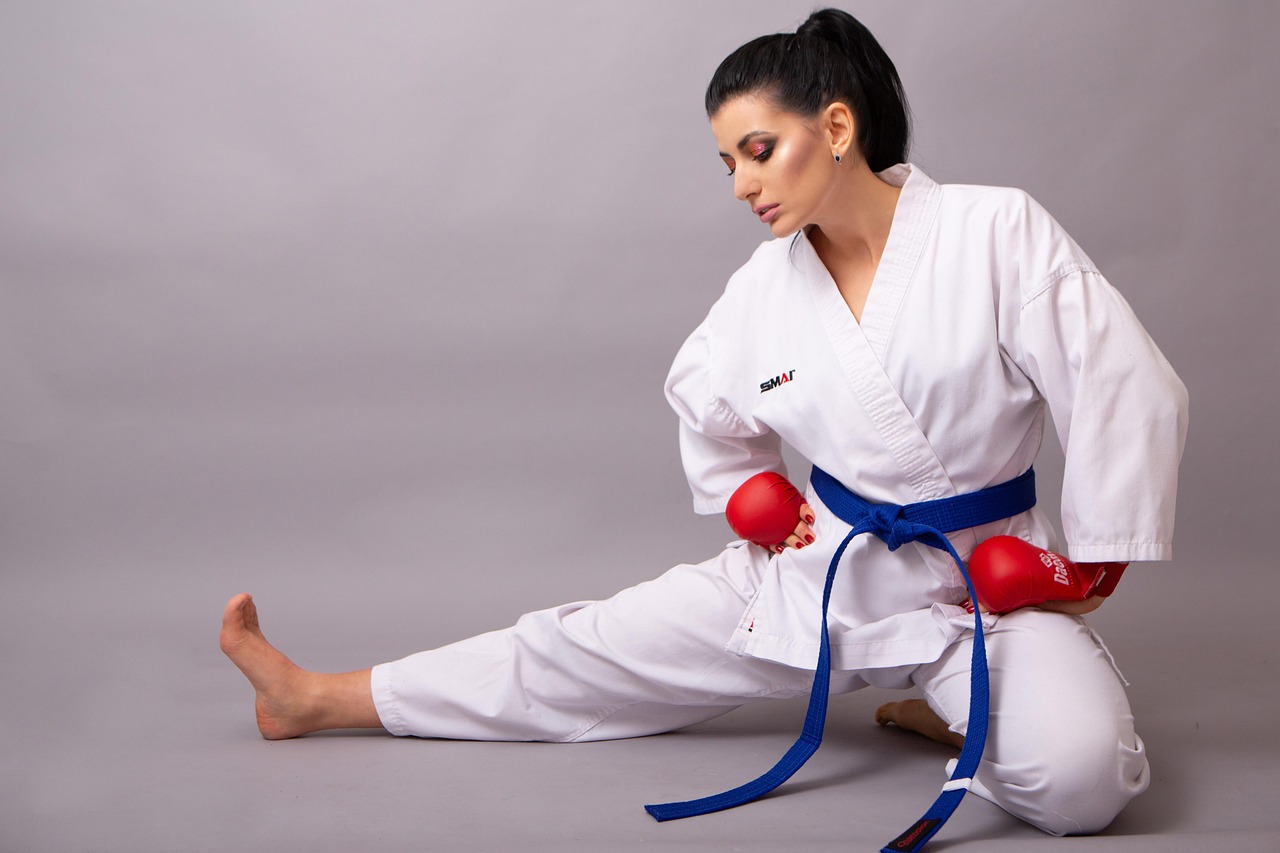

Basic Self-Defense Moves Every Woman Should Know
Understanding self-defense is essential for every woman. It provides not only the skills to defend oneself but also boosts confidence. What are the core moves that every woman should learn? Here are a few basic techniques that can help in critical situations, ensuring that everyone feels empowered. Practicing these moves with friends or in classes will improve effectiveness and response time. Women should ensure they are comfortable with striking, blocking, and escaping techniques. Evaluate the local self-defense classes available; there could be resources tailored specifically for women’s needs. By becoming familiar with these moves, you can potentially prevent or mitigate unfortunate circumstances. Always remember that self-defense strategies extend beyond physical techniques; being aware of your surroundings is just as vital. Share these techniques with friends, and emphasize the importance of mutual support. Ultimately, the goal is to create a community where women help each other become stronger and more prepared. Self-defense classes facilitate learning in a safe environment. By nurturing these skills, every woman can contribute to a safer and more secure community.
Awareness and Prevention
Before diving into physical techniques, awareness is critical in self-defense. Being aware of your surroundings significantly reduces the risks of dangerous encounters. The first step in self-defense is to understand the importance of situational awareness. Always be mindful of who is around you and any potential threats. Keeping your head up and maintaining eye contact with those around you has psychological impacts on would-be attackers. Encourage conversation about safety in your social circles to promote better awareness amongst friends. Additionally, consider taking part in workshops aimed at increasing awareness and prevention strategies. Building instincts about unsafe situations will greatly enhance your defense capabilities. If you feel uncomfortable, try to remove yourself from the situation as quickly as possible. Trust your instincts; they’re usually right. Also, familiarize yourself with local resources, including police departments and community safety groups. Their insights can be invaluable. Awareness should be practiced daily and become an integral part of your routine. Engage in discussions and training about self-defense which can also improve overall confidence when faced with unforeseen challenges.
One commonly taught self-defense technique is the palm strike. This is an excellent move for anyone needing to push an aggressor away. To execute a palm strike effectively, raise your hand up to shoulder height and thrust your palm forward into your attacker’s face. The aim is to strike with enough force to create distance. This technique works well when an aggressor is directly in front of you. Practicing the right alignment can help avoid wrist injuries. The key isn’t just physical power but intent. Ensure you are aiming for vulnerable areas like the nose or chin. It’s advisable to incorporate this practice in regular self-defense training sessions. Moreover, integrating various moves while practicing will improve fluidity during an actual encounter. Consider attending self-defense classes that cover these techniques and reinforce practice through drills. Learning with others can also be incredibly beneficial. These scenarios may provide insights into unexpected self-defense strategies. Moreover, every woman should remain aware of the surroundings even when practicing techniques. Developing the mindset to act quickly will help prevent dangerous situations before they escalate further.
Effective Escapes
Another essential aspect of self-defense is knowing how to escape from holds or grabs. One effective technique is leveraging your body weight to break free. If someone grabs your wrist, always remain calm and think clearly. By twisting your wrist toward the attacker’s thumb rather than away, you can escape much more efficiently. This method takes advantage of the weak point in most grips, which is the thumb. Another escape technique involves using your knee. If someone attempts to grab you from behind, raising your knee into their thigh can create a moment of surprise, allowing room to escape. Practice both of these techniques regularly during self-defense classes. Learning alongside peers increases effectiveness as you simulate realistic scenarios. Strength training can also enhance your overall physical capabilities, which will support these moves. Additionally, consider practicing at home by having a friend assist with proper positioning to get familiar with the escapes. This way, you build the muscle memory necessary for executing them under pressure. Ultimately, learning effective escape techniques empowers women to respond to threats confidently and swiftly.
Redirecting an attacker’s energy can also be advantageous in self-defense. Understanding how to redirect force can significantly improve your chances during an encounter. When faced with an incoming punch, sidestepping and utilizing the attacker’s force against them is a strong method. As they move forward, pivoting and using your body to push them off-balance can create an escape route. This move requires practice to gain timing and coordination. Enrolling in local self-defense classes can significantly enhance these skills. Here, instructors emphasize techniques that focus on redirecting without the need for brute strength. Adding drills into your training routine to practice footwork and balance will enhance your body’s mechanics. Focus on moving efficiently and understanding how your body positions matter during confrontations. Working with different partners will expose you to various techniques and help adapt to unexpected situations. Maintaining a consistent practice schedule will ensure you build not only physical strength but also strategic thinking during high-stress situations. Ultimately, understanding how your body interacts with others is essential in executing these techniques successfully.
Effective Striking Techniques
In self-defense, learning to strike effectively is crucial. Basic striking techniques can make all the difference in any defensive scenario. One such technique is the elbow strike, which can be incredibly powerful. To execute this move, bring your elbow up until it’s level with your palm, then swing it into the attacker. This is especially effective in close quarters where swinging wide punches may not work. The elbow strike’s effectiveness lies in leveraging your body weight into the move. By practicing with a partner, both of you can become familiar with the proper distance and timing. Another crucial striking technique is the knee strike, which proves beneficial when facing an assailant who is too close. This technique allows control over your limbs while targeting vulnerable areas of the opponent. Regular practice of these techniques also builds confidence in their execution during stressful encounters. Joining group classes offers the unique advantage of real-time feedback and adaptation through the learning process. Practicing outside of classes keeps your skills sharp and makes you more prepared to defend yourself if ever needed.
Developing inner strength alongside physical techniques is essential in women’s self-defense training. Mental resilience plays a critical role during confrontations; staying calm under pressure may significantly affect the outcome. Visualizing potential scenarios helps build mental strength, preparing you for various confrontational situations. By practicing relaxation exercises, you can enhance your focus and response time. Breathing techniques foster a sense of calm which can be critical when facing danger. Integrate these strategies into your current training plan. Many classes offer resources designed to improve mental resilience along with physical techniques. Another essential aspect is practicing assertiveness in everyday life; learning to say no or stand your ground may prevent larger issues down the line. Additionally, role-playing various scenarios with a group can help prepare you to react positively in a high-stress situation. Self-defense is as much mental as it is physical. Highlighting strategies on both fronts leads to a well-rounded approach. Encourage friends to join in training sessions to foster a supportive community focused on empowerment. Together, practice is more enjoyable and enhances the learning experience.
Continuing Education and Resources
Finally, considering ongoing education in self-defense ensures that skills remain sharp. Resources are abundant, including online classes, workshops, and local self-defense groups. Staying educated about the latest techniques and strategies significantly enhances self-protective measures. The self-defense landscape frequently evolves, making continued education essential. Practicing various techniques with different partners introduces new perspectives in training. Moreover, attending seminars or guest instructor classes can offer fresh insights into advanced techniques tailored for unique situations women might encounter. Encourage forming groups with friends or family to learn and practice together. Participating in self-defense events emphasizes a community approach while bolstering confidence among women participants. Additionally, several organizations offer free or low-cost self-defense classes tailored to women, providing valuable resources. Engaging in these opportunities reinforces commitment to personal safety. Collectively, these strategies build strength, unity, and awareness in communities, helping everyone become well-versed in self-defense. Ultimately, prioritizing self-defense education leads to a deeper understanding of personal safety while creating empowered women ready to handle various situations.