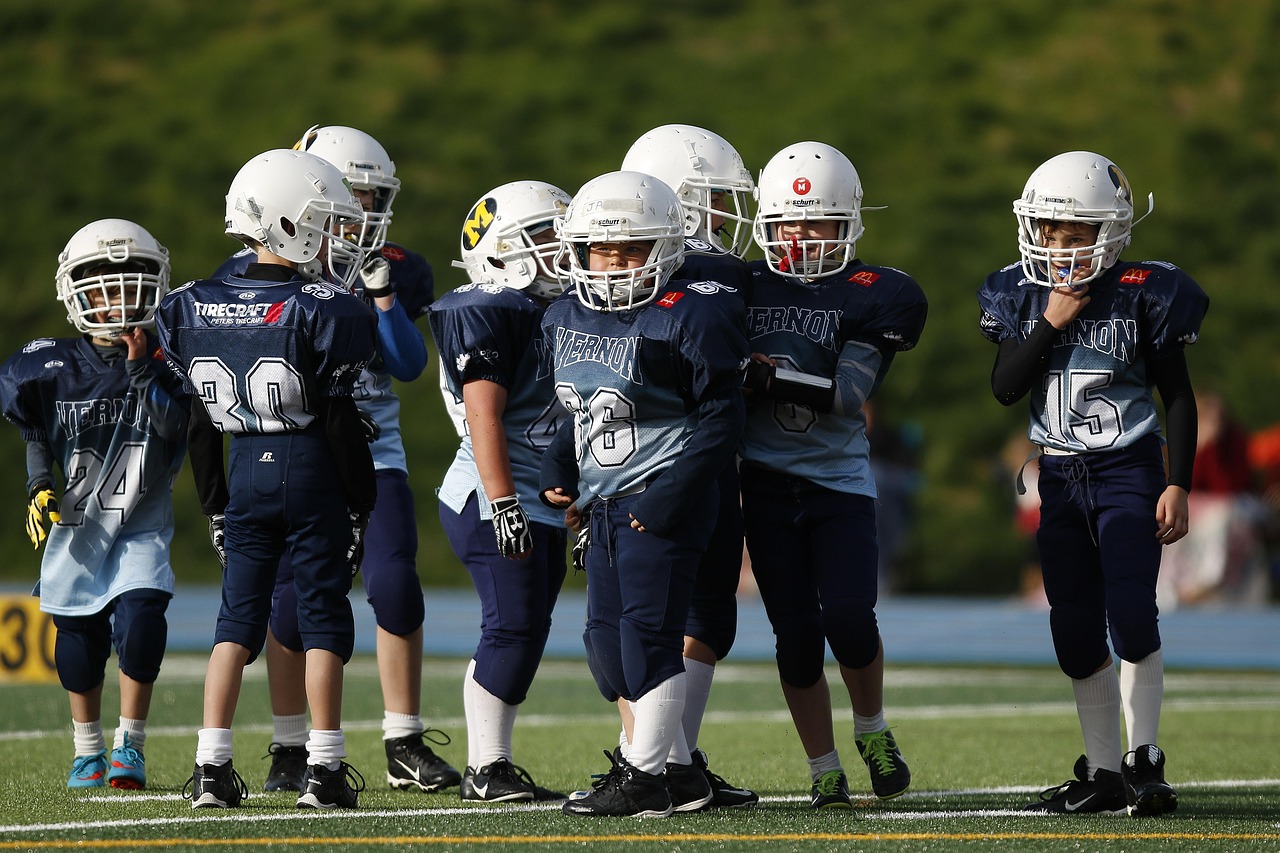

Youth Athletics and Character Education
Youth athletics have become an essential part of physical education, promoting a multitude of benefits beyond physical fitness. Engaging in sports helps children develop a sense of teamwork and cooperation. Through athletics, young participants learn the importance of working together towards a common goal. This collaborative spirit is essential in nurturing social skills that will aid them in various aspects of life. More importantly, the values gained from participating in sports extend beyond the playing field. Young athletes experience lessons in discipline and resilience, which are pivotal in overcoming challenges. These principles are valuable not just in sports but also in academics and personal relationships. Parents and coaches play a significant role in imparting these lessons. By guiding young athletes in navigating wins and losses, they emphasize the importance of responsibility and humility. The experiences gained in youth athletics are often foundational. As they face challenges and navigate victories, the character traits developed during these formative years greatly influence their future conduct. Many who participate in youth sports carry these values into adulthood, proving that athletics can indeed shape character.
Moreover, participating in youth athletics can significantly enhance self-esteem and confidence. Thus, as children learn new skills, they become more assured of their abilities. This boost in confidence contributes substantially to their overall self-image. Young athletes also come to realize the importance of setting and achieving personal goals. By establishing attainable objectives, they cultivate a sense of achievement with each milestone reached. Furthermore, the competitive nature of sports teaches them how to handle both victory and defeat gracefully. This ability fosters a well-rounded personality. Additionally, sports often create a sense of community. Children develop friendships based on shared experiences and challenges faced together. Coaches and peers not only support them during competitions but also forge lasting connections that extend far beyond their athletic pursuits. Many young athletes create memories and bonds that last throughout their lives. As they interact with diverse teammates and peers, they develop a greater sense of empathy and understanding. This exposure to diversity fosters inclusiveness and broadens their perspectives on different cultures and backgrounds. These social interactions facilitate a more well-rounded education, reinforcing the character education aspect of youth athletics.
Impact of Youth Athletics on Life Skills
Furthermore, youth athletics offer a unique platform for developing life skills that benefit children in numerous ways. As young athletes train and compete, they learn the value of commitment and dedication. These qualities encourage them to remain focused on their goals despite obstacles. Moreover, learning to balance academics, athletics, and personal life teaches them crucial time management skills. This advantage can greatly benefit their later professional lives, as they carry these skills into the workforce. Moreover, many youth sports programs stress the significance of fair play and sportsmanship. These principles instill a moral framework, teaching children to respect opponents and officials. They understand the importance of ethical behavior in competitive situations. Here, they learn humility, as true sportsmanship recognizes the strengths of others. This mindset carries into their professional lives, emphasizing collaboration and respect in the workplace. By recognizing contribution and valuing teamwork, young athletes become great potential leaders. Over time, these skills empower youth to contribute positively to their communities. Instilling these values early fosters responsible citizens who will carry these principles throughout their lives.
In addition, commitment to athletics often inspires children to maintain healthy lifestyles. Regular participation in sports positively influences their physical well-being, encouraging healthier eating and exercise habits. This emphasis on fitness can combat obesity and promote lifelong health behaviors. Furthermore, engaging in sports provides an outlet for stress relief and emotional regulation. Youth athletes learn how to channel their emotions productively through competitive environments. Manageable stress from competitions can help them develop resilience. Therefore, coping strategies learned in sports can assist them in managing academic pressures and personal challenges. Coaches also provide mentorship opportunities outside of the competitive arena. This guidance fosters a sense of belonging and helps athletes navigate life challenges. Many coaches become lifelong mentors, shaping character and providing valuable life lessons. Parents, too, play an integral role, fostering supportive environments that encourage physical and emotional growth. Their influence reinforces the systemic character education promoted through athletics. By supporting a child’s passion for sports, families cultivate habits that benefit their overall development. As children further their athletic pursuits, this cohesive support network aids them in building successful futures.
The Role of Coaches and Mentorship
The role of coaches in youth athletics cannot be overstated, as they provide essential guidance and support throughout the athletic journey. Coaches serve as mentors, imparting knowledge about sports while instilling significant values. They foster an environment conducive to personal growth, ensuring that athletes not only improve their physical game but also develop essential character traits. Through consistent encouragement and constructive feedback, they help athletes understand their strengths and weaknesses. Coaches emphasize the importance of effort, dedication, and discipline, which encompass critical attributes for success on and off the field. They lead by example, demonstrating commitment and perseverance. Additionally, many coaches instill coping strategies for handling defeat gracefully. Young athletes learn to use setbacks as opportunities for growth. This resilience is crucial when faced with life’s challenges. Moreover, coaches often become trusted figures that athletes turn to for advice beyond sports. They can influence various aspects of their lives, supporting them through academic endeavors and personal challenges. These mentorship relationships enrich the athletically-driven experience, reinforcing positive experiences that help shape character throughout a person’s development. Hence, strong coaching relationships can be instrumental in youth character education.
The integration of character education in youth athletics is essential for holistic development. Many programs are designed to teach essential life skills alongside athletic training, ensuring that the development of soft skills complements physical prowess. Education in values is deliberately woven into every training session and competition. These programs promote skills such as leadership, effective communication, and emotional intelligence. Participating in group activities creates opportunities for athletes to practice these skills collaboratively. Furthermore, youth athletics provide a culture of accountability where athletes learn the importance of responsibility and commitment to their teams. They develop a deeper understanding of collective effort and the role each individual plays within a larger context. Why is this important? It prepares them for roles in society, helping them become active and engaged citizens. Educated and responsible individuals are more likely to contribute positively to communities and display civic virtues, leading to a stronger society. By emphasizing character education within youth athletics, we can cultivate not just skilled athletes, but well-rounded individuals equipped to face the world with confidence and integrity. This focus will ultimately benefit society, creating leaders for tomorrow.
Conclusion: The Lasting Impact of Youth Athletics
In conclusion, youth athletics play a crucial role in fostering character development alongside physical skills. The benefits derived from participating in sports extend far beyond the field. Young athletes acquire essential life skills that lay the foundation for their future endeavors. Sporting experiences provide valuable lessons in resilience, teamwork, and commitment. These lessons help prepare them for the inevitable challenges they will face as adults. Many lessons learned in youth athletics are transferable to personal, academic, and professional spheres. The emphasis on sportsmanship, fair play, and community fosters responsible citizenship. Through athletic participation, children develop a sense of belonging and connection with peers, enhancing their social skills. Coaches and parents play essential roles in reinforcing positive character traits, ensuring that youth athletes understand the significance of their actions both on and off the field. As these young individuals transition into adulthood, they carry forward the values instilled during their formative years. The advantages of youth athletics are wide-reaching, contributing to more substantial community and societal development. By continuing to promote character education within these programs, we can create a generation of well-equipped individuals ready to thrive in life and contribute positively.
This final consideration emphasizes the importance of creating an inclusive and supportive environment for all children who wish to participate in youth athletics. When youth sports programs prioritize character education, they ensure that every child, regardless of ability, can experience these vital lessons. Inclusion allows for diverse experiences for all participants, fostering unity and mutual respect. Programs that emphasize good character traits celebrate both individual and collective accomplishments. As such, youth athletics should strive to encompass a variety of sports, engaging children from different backgrounds and abilities. By cultivating an atmosphere of acceptance, children are better prepared to navigate complex social situations. Upholding these values encourages collaboration and understanding, enriching the lives of all involved. Coaches play a crucial role in achieving this aim; thus, ongoing training for coaches about diversity and inclusion is essential. Improving knowledge and skills will enable them to create environments that welcome everyone. In this light, we can build a future where youth athletics continue to flourish as a means of character education and personal development. The ripple effects of positive character development through sports can change individuals and communities for the better, fostering a brighter future.