
Training with a Group: Benefits and Tips for Open Water Triathletes
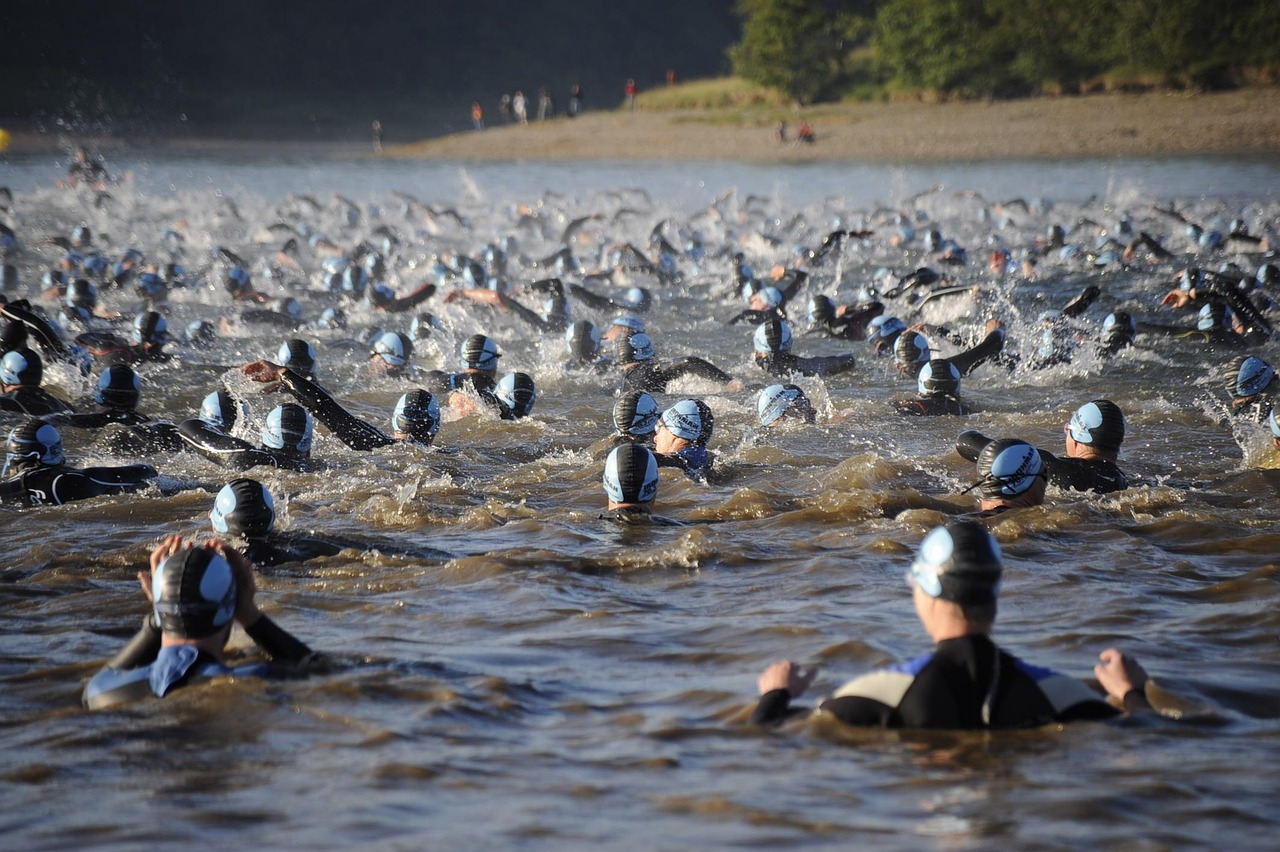
Open water swimming presents challenges unique to triathletes, requiring skills different from pool swimming. Training with a group significantly enhances the open water experience. It fosters a sense of camaraderie among athletes, helping to build a support system. Group training sessions serve as the perfect platform for sharing advice on techniques and strategies. The presence of other athletes can help alleviate apprehensions about swimming in open water, creating a more enjoyable experience. Additionally, training with a group often provides access to mentorship from more experienced swimmers who can share valuable insights. Moreover, practicing in group formations allows triathletes to enhance their navigational skills under various conditions. This dynamic approach can lead to better race performance. Many triathletes find that the motivation derived from training with others pushes them to work harder and improve their skills. Swimming in groups allows for valuable feedback, helping individuals identify areas for improvement. As a result, triathletes are more likely to adhere to their training schedules when supported by a group. Trying out different strokes and drills together can also spark creativity in training routines.
Adding Safety and Fun to Your Training
Safety concerns are paramount in open water swimming, especially for beginners. Group training assists in enhancing safety, as multiple swimmers can look out for one another. When swimming with a group, you have people who can assist in case of an emergency, providing reassurance to less confident swimmers. The shared experience of navigating the open water can foster trust among groups, making challenges more manageable. Additionally, many open water locations provide designated group training sessions, enhancing safety protocols, including lifeguards and designated swimming areas. Mutual motivation plays a significant role in achieving personal bests, as triathletes often push each other to reach their goals. Fun activities such as group challenges and relays can be incorporated, making the sessions enjoyable. Engaging in friendly competition also promotes camaraderie and can help in developing resilience. Exploring new swimming routes together offers variety, helping to maintain enthusiasm in training. Encouraging members to share their goals can foster accountability. By engaging in these group activities, participants can improve their skills while enjoying a fun social environment that makes training less intimidating.
Mixing up training regimens can lead to significant improvement, consistently challenging individuals. Group training allows for experimenting with training techniques, introducing varied workouts to improve endurance and speed. While traditional training methods are beneficial, incorporating high-intensity interval training (HIIT) can maximize benefits. Partners can motivate one another to maintain intensity during these intense intervals. Furthermore, swimmers can practice drafting techniques, gaining valuable experience simulating race conditions in open water. By taking turns leading the group, athletes can hone navigation skills in a dynamic setting. Engaging in different activities, such as buoy turns, stroke counts, or sighting drills, keeps training interesting and productive. Variations in training approaches can yield impressive results leading up to race day. One benefit of different workouts is that they can cater to various fitness levels, allowing swimmers to adapt while still benefiting from the group’s support. Helping each other achieve personal bests can be incredibly rewarding. Open water clinics or workshops can supplement group training sessions, providing expert guidance crucial for success. Each member’s growth contributes to the overall effectiveness of the training group, fostering commitment and continual improvement.
Scheduling regular group swims creates habitual training routines, essential for long-term commitment. Holding members accountable can lead to consistent attendance, allowing for steady progress. Setting collective goals within the training group can serve as a great motivating factor. By working together and fostering a team spirit, athletes often feel empowered to push boundaries and reach higher milestones. Establishing a designated training venue can simplify logistics and ensure that everyone is on the same page regarding location and schedules. Utilizing local resources, such as swim clubs or community programs, enhances opportunities for collaboration. Coaches often provide valuable support and direction during these sessions, ensuring that swimmers receive constructive feedback. Establish cultural norms within the team that encourage positive interactions and prioritize member well-being. Mental preparedness is equally essential as physical endurance, so incorporating strategies for managing anxiety and stress can benefit all group members. Celebrating small victories not only reinforces teamwork but fosters a sense of accomplishment that’s often shared among swimmers. As everyone progresses, they can look back at how far they have come since the beginning of training.
Overcoming Challenges Together
Facing challenges as a group helps create a tightly-knit community among triathletes. Open water challenges, such as handling varying temperatures and waves, can be daunting, but they become manageable with support. Swimmers can practice navigating through currents, enhancing confidence in unpredictable conditions. By sharing experiences about overcoming fears, group members can help each other develop a constructive mindset. Having positive reinforcement from fellow athletes can motivate others to take on challenges they might initially avoid. Additionally, groups can work on developing tactics for different race strategies together. Learning how to pace oneself in open water can be a balancing act; thus sharing personal stories of successes and struggles around pacing can be beneficial. Discussing strategies for effective open water swims, such as energy conservation, can deepen understanding among group members. As each member learns from one another, they accumulate vital knowledge relied upon in race day scenarios. This knowledge often progresses to mutual learning, ultimately benefiting each member’s performance at competitions. Rediscovering passion through challenges enhances their connection with one another, strengthening the overall training experience.
Incorporating structured workouts within the group setting can lead to dramatic improvements in performance, particularly when focusing on specific swim techniques. Group leaders can design sessions targeting skills like breathing, sighting, and endurance enhancement through drills tailored to athletes’ needs. Specific workouts can be created around personal strengths, enabling participants to leverage their abilities while working on identified weaknesses. Each focused session can culminate in feedback discussions, allowing for further refinement and motivation to improve. Moreover, exploring unique landmarks or challenging routes together fosters shared memories before races. Since the comfort of familiarity often leads to confidence, athletes who know their training environment can perform better during competitions. Several groups may opt for a “buddy system” where experienced swimmers mentor less experienced ones, facilitating growth and skill acquisition. Ensuring that everyone participates actively keeps the group informed and engaged. The ultimate goal of these forms of training should focus on individual growth while nurturing bonds within the team. Enhancing communication within the group significantly contributes to the collective success of the training endeavors, leading to long-term engagement and enjoyable experiences in open water.
Conclusion: The Importance of Group Dynamics
Ultimately, the essence of group training in open water swimming revolves around mutual growth, accountability, and shared experiences. These factors converge to elevate individual performances while cultivating lasting friendships and cooperative teamwork. Group dynamics play a critical role in compromising the fear associated with open water environments. This altered perception of training can significantly impact emotional wellbeing as participants challenge themselves above and beyond their perceived limits. As athletes engage together, the synergy from shared encouragement creates a positive atmosphere where members flourish as both swimmers and individuals. Adopting a team-centric mindset allows groups to celebrate successes together, recognizing each person’s contribution to the overall success of the team effort. Embracing these methodologies ensures that group training efforts yield impressive results, improving swimming skills and instilling a lifelong love for the sport among participants. Improve the quality of life through engaging open water experiences, uniting athletes under a common goal—a successful race day. Prioritize safety, technique, and camaraderie, and together you can conquer open water challenges. Whether it’s enjoying the training process or achieving personal milestones, there is no substitute for the power of collaboration.