
The Science Behind Exercise and Neuroplasticity in Older Adults
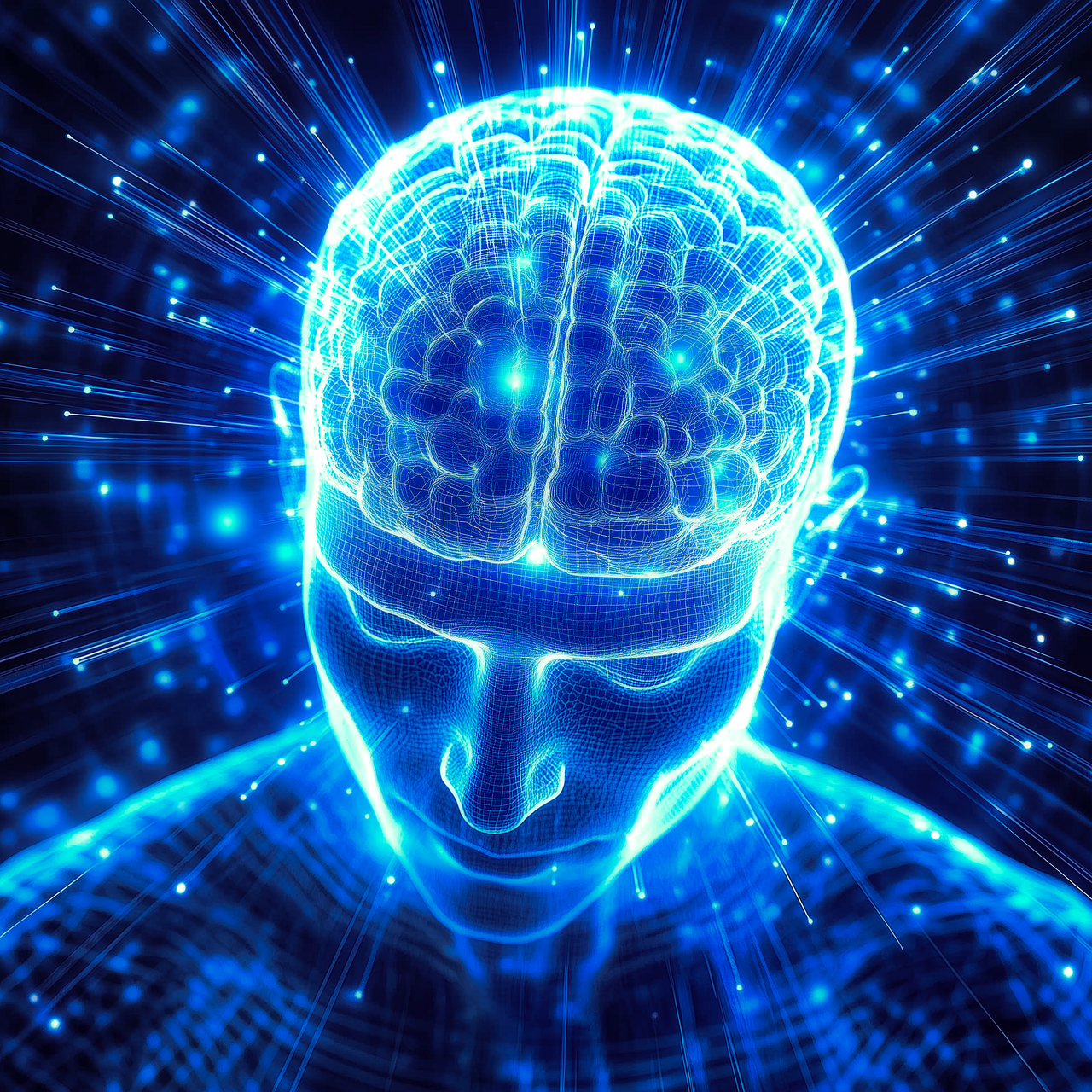
Recent research highlights a strong connection between exercise and neuroplasticity, especially in older adults. Neuroplasticity refers to the brain’s ability to adapt and reorganize itself by forming new neural connections. This ability is essential for learning new skills and recovering from neurological injuries. Physical activity promotes the release of brain-derived neurotrophic factor (BDNF), a protein that supports neuron survival and growth. Higher levels of BDNF are linked to improved memory, cognitive function, and overall brain health. Engaging in regular exercise, such as aerobic activities or resistance training, can significantly enhance neuroplasticity. Moreover, a combination of physical workouts and cognitive challenges can yield even greater benefits. Research indicates that older adults who regularly participate in exercise experience a decline in cognitive decline risks. Thus, understanding the multiple ways physical activity influences brain plasticity is crucial for developing healthy aging strategies. The benefits of exercise extend beyond physical health; they encompass psychological well-being too. In summary, fostering neuroplasticity through physical activity can offer profound advantages to older adults, promoting not just longevity but also quality of life.
Exercise also significantly impacts mental health, further exemplifying the brain-body connection. Various studies suggest that physical activity can reduce symptoms of anxiety and depression in older adults. Engaging in regular physical movement improves mood by releasing endorphins, also known as ‘feel-good’ hormones. These natural chemicals enhance feelings of happiness and relaxation, making exercising not just beneficial physically but psychologically too. Group exercises may provide added social benefits, reducing feelings of loneliness and isolation. This social interaction fosters a sense of community, which has been shown to bolster mental health in later years. Furthermore, consistent exercise routines can lead to improved sleep patterns, further impacting emotional wellness. Chronic sleep deprivation is correlated with a host of mental health issues, making restorative sleep essential. As older adults find themselves facing numerous life changes, such as loss and retirement, the mental health benefits of regular exercise can be transformative. Importantly, incorporating mindfulness and relaxation exercises into fitness routines can enhance these benefits. Overall, the psychological benefits of consistent physical activity should not be overlooked when considering comprehensive wellness plans for older individuals.
Types of Exercises Beneficial for Neuroplasticity
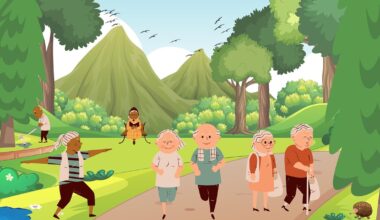
Different types of exercises can positively influence neuroplasticity, particularly in the aging brain. Aerobic exercises, such as walking, swimming, and cycling, have been consistently shown to enhance cardiovascular fitness. Improved blood flow enhances oxygen delivery to the brain, which is crucial for maintaining cognitive functions. Resistance training also plays a significant role in neuroplasticity; it promotes muscle strength, endurance, and overall physical fitness. Additionally, activities requiring balance and coordination, like dancing or tai chi, can contribute significantly to maintaining cognitive functions and preventing falls. Engaging in these exercises helps older adults retain their independence. Beyond traditional forms of exercise, incorporating brain-training activities can also enhance neuroplasticity. These activities challenge the brain, leading to cognitive improvements over time. A mix of physical and mental challenges can create a stimulating environment for the brain. Fitness programs that include balance, strength, and cognitive tasks may maximize benefits. Ultimately, understanding the complexity of exercise enhances the potential for healthy brain aging. Exploring a wide range of activities can ensure a holistic approach to promoting neuroplasticity across different dimensions of health.
Nutrition also influences the interaction between exercise and neuroplasticity, illustrating the brain’s multifaceted needs. A balanced diet rich in omega-3 fatty acids, antioxidants, and vitamins is crucial for supporting brain health. Foods like fatty fish, berries, and leafy greens can provide essential nutrients that enhance cognitive function and overall well-being. Hydration plays an essential role too; adequate water intake is necessary for delivering nutrients and removal of toxins. Nutritional choices should complement exercise routines for maximum benefits. Certain dietary patterns, like the Mediterranean diet, are linked to brain health and reduced cognitive decline. Supplements may be beneficial for those who struggle to meet dietary needs. However, it is essential to consult healthcare providers before making changes to one’s diet. A holistic approach to fitness encompasses physical activity, mental exercise, and proper nutrition, creating an environment that promotes neuroplasticity. With the increasing research supporting this connection, more older adults seek to adopt healthy lifestyle patterns. Ultimately, food choices can critically affect not just physical health but cognitive and emotional well-being in aging populations.
Challenges to Exercise Adoption in Older Adults
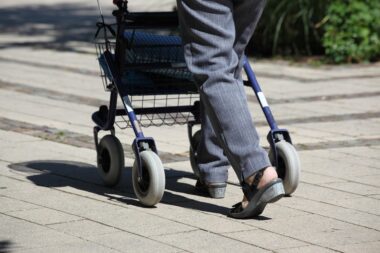
Despite clear benefits, several barriers can hinder older adults from engaging in regular exercise. Mobility issues, chronic pain, and cognitive decline can psychologically intimidate those considering starting an exercise routine. Fear of injury or falling often prevents older adults from participating in physical activity, as they may perceive exercise as a risk rather than a benefit. Access to safe and age-appropriate exercise programs remains a critical concern, as many facilities do not adequately accommodate older populations. Additionally, social factors, including lack of community support or encouragement, can further complicate motivation levels. These challenges create a need for tailored exercise solutions that address specific needs and concerns of older individuals. Education and awareness about the neuroplasticity benefits of exercise can also motivate older adults to engage in physical activity. Highlighting success stories of peers can inspire confidence and encourage participation. Moreover, developing partnerships with local fitness centers to create inclusive programs can help older adults overcome barriers. Creating a supportive environment for exercise is vital to enhancing lifelong physical activity levels among older populations. Collaborative efforts can ensure that older adults feel empowered to pursue physical activity.
Support systems are essential in fostering an exercise routine among older adults, emphasizing the importance of community and social networks. Family members, friends, and caregivers can play a significant role in encouraging participation and facilitating access to exercise resources. Engaging in group activities can provide motivation as well as companionship, significantly enhancing the experience. Community centers are increasingly offering programs designed specifically for older adults, focusing on safety, enjoyment, and social engagement. Participating in exercise classes tailored to their needs can help older adults discover various activities they enjoy. Virtual fitness classes or at-home routines can be beneficial, offering flexibility and comfort. Additionally, technological advancements, such as wearable fitness trackers, can help older adults monitor their activity levels, motivating them to remain active. Emerging research supports the idea that social connections enhance exercise adherence and quality of life. Programs focused on building fitness communities may foster a sense of belonging among older adults. Ultimately, the stronger the support system, the greater the likelihood that older adults will maintain regular exercise, positively impacting their mental and cognitive health.
Looking Ahead: Future Research Directions
Future research will focus on understanding the precise mechanisms through which exercise benefits neuroplasticity in older adults. A deeper understanding of how specific types and intensities of exercise impact cognitive functions would enhance personalized approaches to fitness. Additionally, exploring the effects of diverse forms of exercise across different populations could yield important findings. Lingering questions include how genetic and environmental factors may influence individual responses to exercise, necessitating a multidimensional research approach. Longitudinal studies are vital to understanding how sustained physical activity influences neuroplasticity over time. Such investigations can establish clearer connections between exercise patterns, cognitive trajectory, and overall brain health. Furthermore, examining the intersection of technology and exercise in promoting neuroplasticity holds promise. Integrating virtual reality and gamified fitness could enhance motivation and accessibility for older populations. Understanding how these innovations can be employed effectively may help in expanding exercise adherence. Researchers must also consider barriers faced by diverse communities to ensure inclusivity in fitness initiatives. Overall, future explorations into this interplay can revolutionize approaches to healthy aging, providing vital insights to enhance quality of life for older adults.
In summary, exercise’s role in promoting neuroplasticity is crucial for maintaining cognitive function as individuals age. Exploring how different forms of exercise influence brain health illuminates the broader relationship between physical activity and mental well-being. Addressing the challenges faced by older adults regarding exercise is paramount; support systems and tailored programs can foster regular engagement. Utilizing nutritional strategies to complement physical activity further enhances positive outcomes. As research advances, integrating knowledge about neuroplasticity and exercise can lead to innovative solutions for enhancing older adults’ quality of life. The emerging awareness surrounding this connection provides a promising landscape for improving mental health through physical activity. Older adults can significantly benefit from understanding these interactions, ultimately empowering them to embrace healthier lifestyles. Emphasizing education, engagement, and support can inspire older populations to prioritize both physical and mental wellness. Continued advocacy for inclusive exercise programs is crucial to promote healthier aging. The journey toward optimal brain health begins with actionable steps surrounding exercise, nutrition, and community support, creating a holistic framework for vibrant aging. Be proactive today to reap the benefits of a healthier lifestyle in the future.